
Last updated November 25, 2026
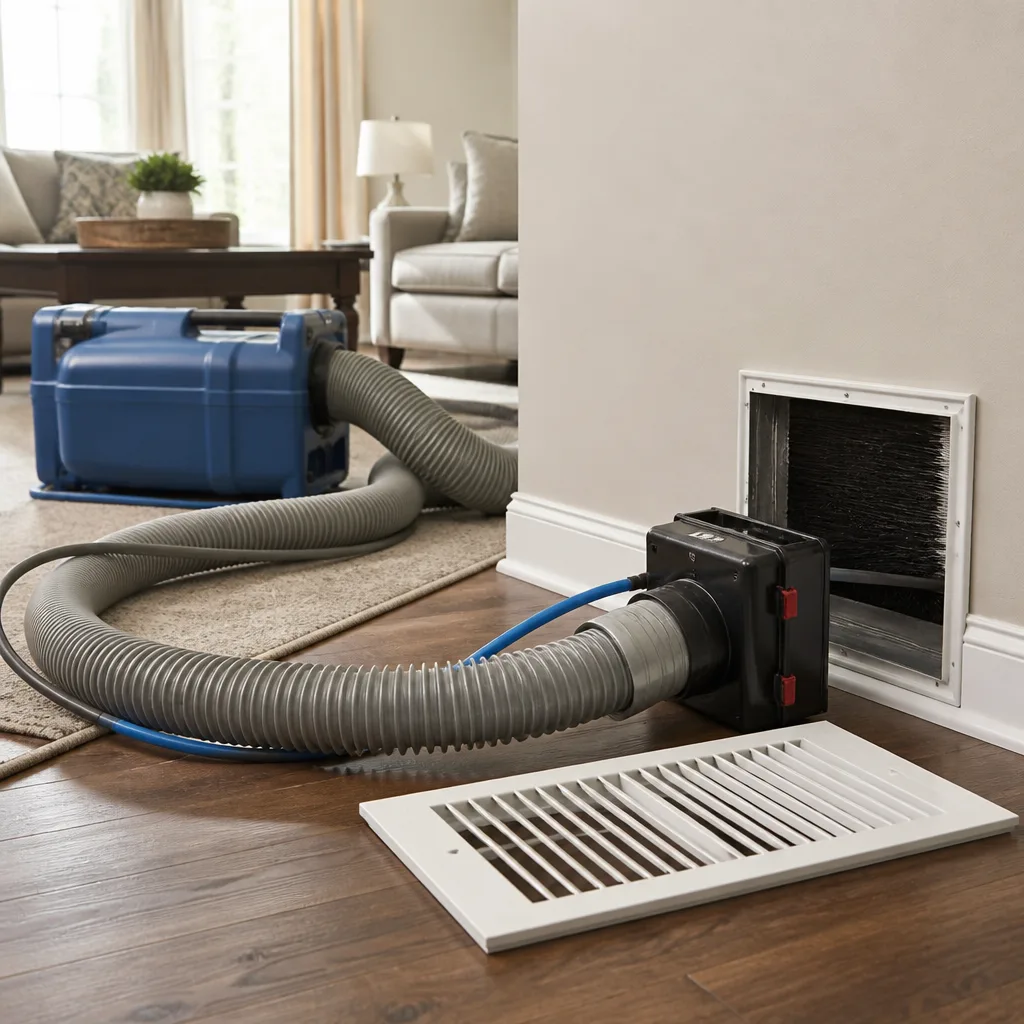 Whole-home duct cleaning
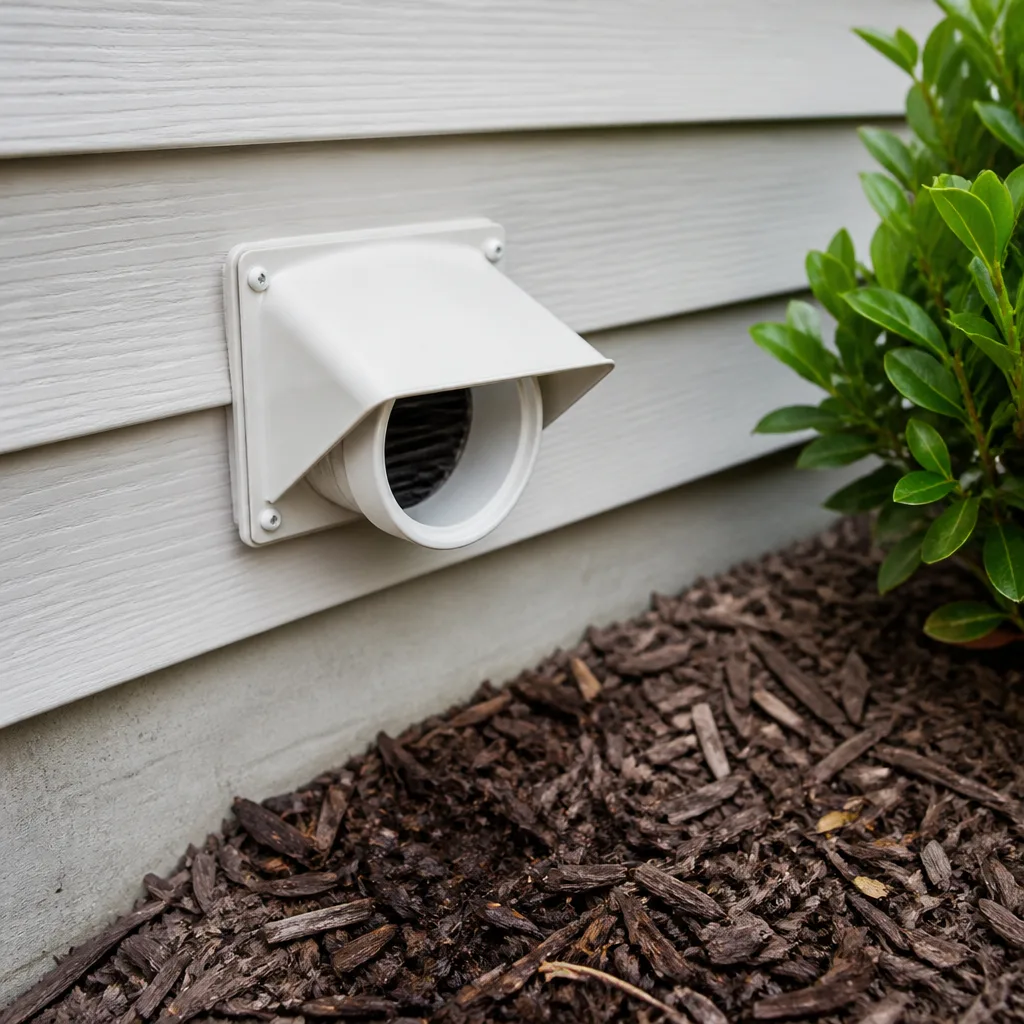 Dryer vent cleaning
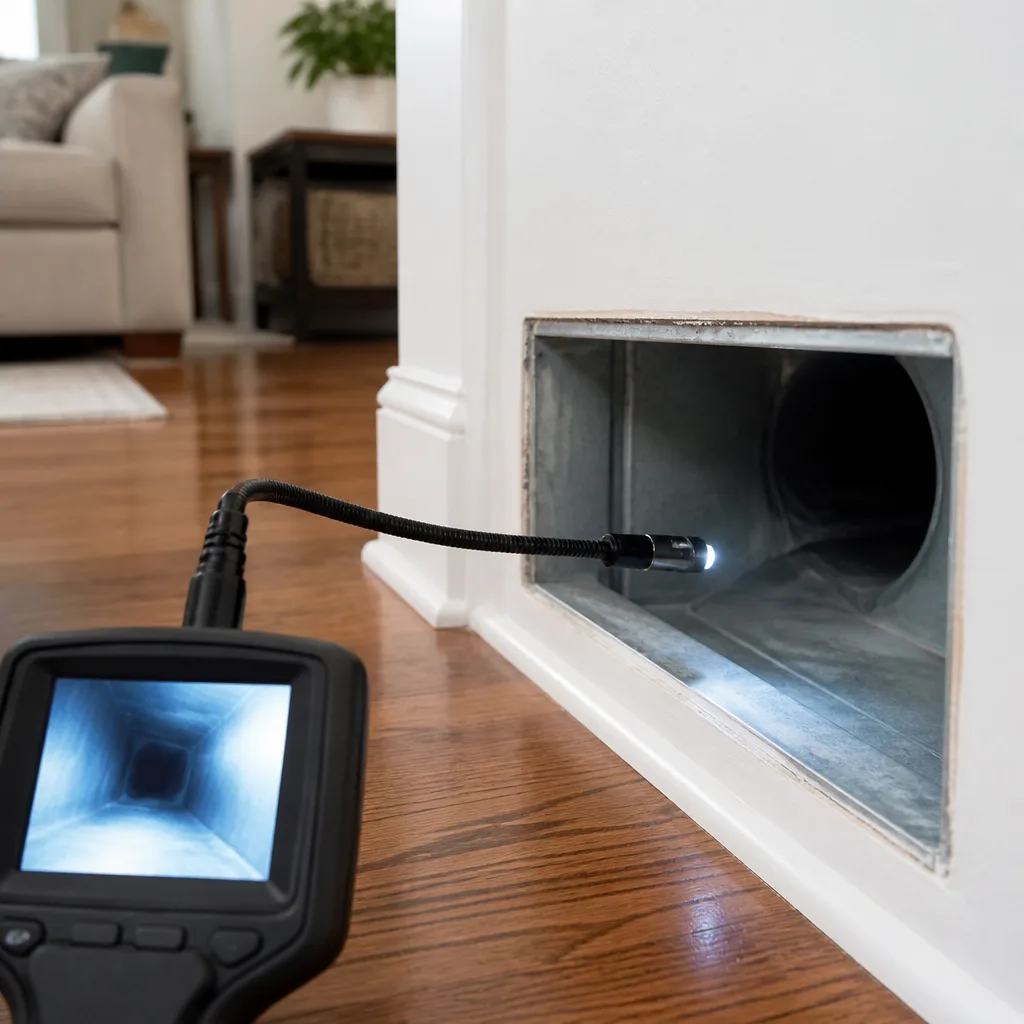 Camera inspection
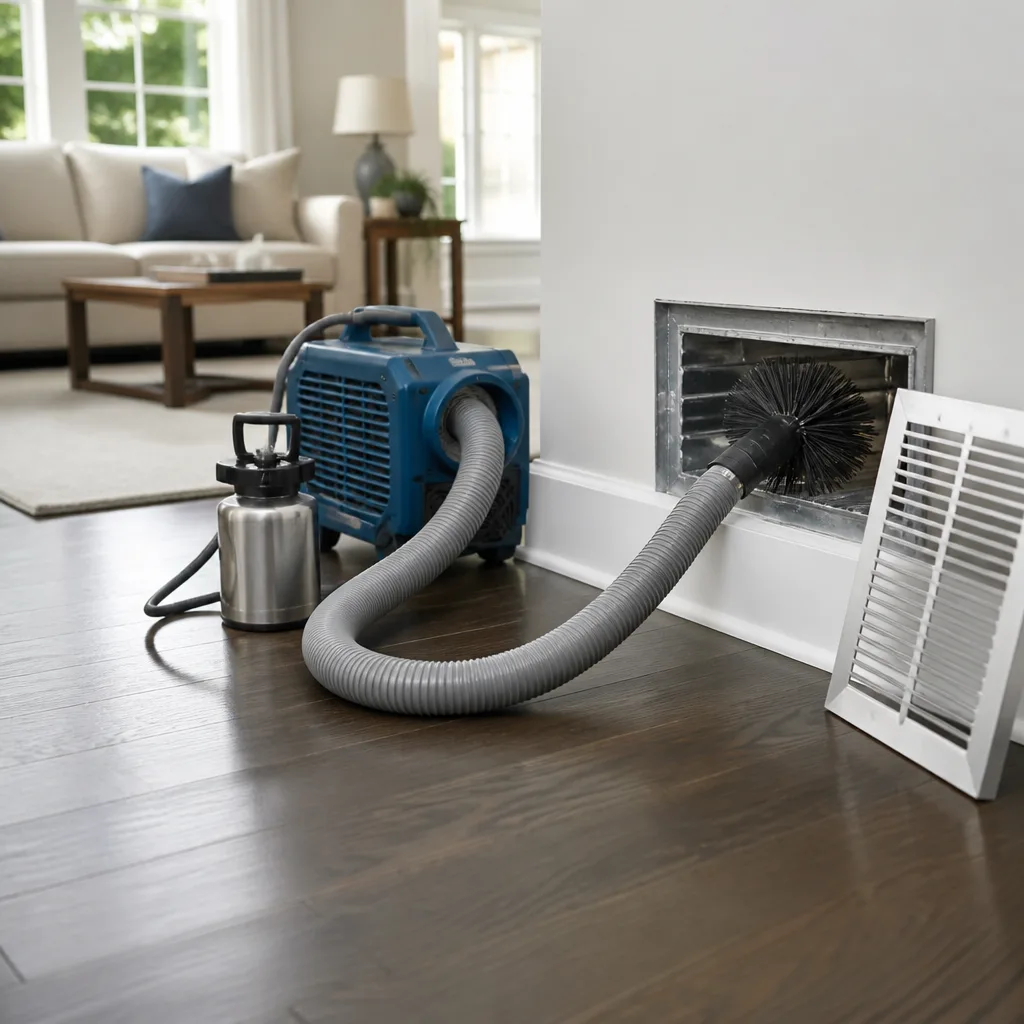 Sanitizing & deodorizing
Whole-system duct and dryer vent check with before-and-after photos - you see exactly what came out of your vents
That "$99 whole-house special" is a bait ad - the real number appears once they are in your hallway, or the "clean" is a shop-vac at the register. We photograph the inside of your ducts before and after instead.
DIY vs Professional Air Duct Cleaning: The Heather Gardens Homeowner’s Decision Guide
A homeowner with a $60 brush kit and a shop vac can legitimately clean the register boots and the first few feet of branch ducts in a forced-air system. That part is real, and we’re not going to talk you out of it. What those tools can’t reach is the main trunk line, the blower wheel, and the evaporator coil face, and those are exactly the places where contamination loads stack up highest. Confusing surface cleaning with source removal is how Heather Gardens homeowners end up either skipping service they genuinely need or paying for a deep clean their system doesn’t require yet. This guide maps what DIY actually touches, what it doesn’t, and how to decide which side of that line your home is on.
Quick Answer
DIY duct cleaning handles surface debris at registers and the reachable first section of branch ducts, and that’s genuinely useful maintenance. Professional cleaning is what reaches the main trunk lines, return plenum, blower wheel, and coil face, and it uses negative air pressure and contractor-grade equipment to remove contamination rather than stir it up. If your home has visible dust blowout, musty odor, recent renovation, or a system that hasn’t been opened in years, DIY won’t get you there and professional service is the right call.
Styles & brands we work with
- Whole-home duct cleaning
- Dryer vent cleaning
- Camera inspection
- Sanitizing & deodorizing
Table of Contents
- What DIY Duct Cleaning Actually Reaches in a Heather Gardens System
- The Three Contamination Zones That Matter Most for Air Quality
- Why Negative Air Pressure Changes Everything
- When DIY Maintenance Genuinely Extends the Interval Between Cleanings
- When DIY Is Counterproductive (or Actively Risky)
- Decision Matrix: Is Professional Cleaning Optional or Essential for Your Home?
- What a Full-System Professional Cleaning Actually Involves
- Common Mistakes to Avoid
- When to Call a Professional
What DIY Duct Cleaning Actually Reaches in a Heather Gardens System
Most Heather Gardens-area homes built in the 1970s and 1980s run a conventional forced-air layout: a central furnace and evaporator coil, a supply trunk branching into a network of runs, and a return system pulling air back through one or more grilles. Brush kits and shop vacs work through the register opening. That means they can reach the supply boot (the sheet-metal or flex fitting right behind the grille), maybe the first three to six feet of the branch run, and the return grille on the suction side.
What they cannot reach, in a typical system:
- Main trunk lines – The long horizontal duct running from the plenum out to your branch takeoffs. It’s often 8 to 14 inches wide, has no cleanout access unless someone cut one, and holds the bulk of settled debris.
- Return plenum – The large box immediately above or beside the furnace that gathers return air. It’s the dustiest section of most systems and it’s usually sealed shut.
- Blower wheel – The fan inside the air handler. It accumulates a sticky mat of dust and organic matter that a shop vac can’t dislodge without removal.
- Evaporator coil face – The A-frame coil above or below the blower. When the coil face loads up, airflow drops and the coil can ice. Cleaning requires specific coil cleaner and, sometimes, coil removal.
- Supply plenum and takeoffs – The pressure side of the system where the air gets distributed. Sediment collects in the takeoff collars and the base of the trunk.
That’s not a knock on DIY. Those are the physically sealed and mechanical sections of the system, and no brush kit was ever going to open them. It’s simply a map of where your $60 of equipment stops and where professional-grade reach begins.
If you want to know what a full service visit covers in detail, our air duct cleaning page walks through the process step by step.
The Three Contamination Zones That Matter Most for Air Quality
Air quality problems in a Heather Gardens home don’t come from the whole duct system uniformly. They concentrate in three places, and knowing which one is driving your symptoms tells you a lot about whether DIY will help.
1. The Blower Wheel
The blower wheel is the closest thing your duct system has to a flywheel. Every cubic foot of air that moves through the furnace passes over those fins. Over years, the fins gather a fuzzy mat that reduces the wheel’s efficiency and adds a persistent, faintly sour odor to the supply air. This is the single most common cause of “the vents smell musty” complaints we hear. No brush kit on the market reaches this without opening the air handler.
2. The Coil Face
The evaporator coil is a dense fin surface, and it’s essentially an air filter that was never meant to be a filter. When debris packs into the fins, airflow drops, the system runs longer, and the coil can develop condensation issues. In a dry Colorado Front Range climate, that’s compounded by the fine mineral dust that rides in with outdoor air during the windy spring months.
3. The Return Plenum
The return plenum is where every return grille in the house dumps its air, so it collects the highest concentration of settled debris in the system. It’s also directly upstream of the blower, so anything it releases gets pulled right into the fan.
All three zones share a trait: they’re downstream or enclosed, they can’t be reached from a register, and cleaning them without negative air pressure actually pushes contamination deeper into the system rather than out.
Why Negative Air Pressure Changes Everything
Professional duct cleaning isn’t powerful vacuuming. It’s a controlled removal process, and the control comes from negative air pressure.
- Seal the system. Every register and return grille gets covered, except the one where the cleaning head enters.
- Connect a high-volume negative air machine. Abatement Technologies units are the kind we run on elevated-contamination jobs: they pull several hundred cubic feet per minute through a HEPA filter and hold the entire duct system at negative pressure.
- Work the agitation tool through each run. Rotobrush and Nikro systems use rotating brush heads and air whips sized to the duct. As the brush loosens debris, the negative air machine pulls it out instead of letting it settle back down.
- Clean the mechanical side. With the blower and coil now accessible, the technician cleans the blower wheel and coil face directly.
- Document and confirm. A before-and-after photo record of the register boots, plenum, and blower wheel shows what was actually removed.
Run a shop vac through a register without negative air and you loosen dust that then settles back across the branch, the trunk, and the blower. The dust doesn’t disappear; it redistributes. That’s the core mechanical difference between surface cleaning and source removal.
The same principle applies when we clean the HVAC equipment itself. See our HVAC cleaning page for how the blower and coil are handled alongside the ductwork.
When DIY Maintenance Genuinely Extends the Interval Between Cleanings
Here’s where the brush kit earns its money. DIY maintenance is a real, useful layer of upkeep in these situations:
- Annual register and boot wipe-down. Removing the grille and vacuuming the boot with a crevice tool once a year prevents buildup where you can see it.
- Coil filter changes. A clean return-side filter is the single biggest DIY lever you have on dust in the system, and it costs nothing but attention.
- Grille gasket inspection. Loose or missing grille gaskets let unfiltered air bypass the filter and load the system faster. Tightening or replacing these is a five-minute job that matters.
- Return grille deep-clean. Return faces get visibly dusty. A brush and mild detergent restore them safely.
- Catching small problems early. If you notice a loose supply boot or a small separation at a drive collar, you can call a pro before that gap turns into a bigger air-loss problem.
In our experience, homes that do these five things consistently can stretch the interval between professional cleanings, provided the rest of the system is in good shape. That’s the honest answer: DIY is preventive upkeep, not deep cleaning. Treating it as the latter is where the false sense of completion creeps in.
When DIY Is Counterproductive (or Actively Risky)
There are specific situations in and around Heather Gardens where DIY is worse than nothing, and a few where it’s a genuine safety concern.
Flex Duct Systems
Many homes in this era of construction have flex duct runs, especially in attic and crawlspace zones. Flex duct has a thin inner liner over a wire helix. A stiff brush run aggressively through flex can tear the liner, and a torn liner is a permanent leak point that pulls unfiltered attic air into your supply system. Once torn, it doesn’t repair itself. It needs replacement, not cleaning.
Older Duct Tape and Possible Asbestos
Duet tape used on 1970s-era ductwork is often fabric-backed with an adhesive that has dried and lost adhesion. Some older duct wrapping and tape contained asbestos. If your ducts have deteriorated tape or a fibrous wrap, don’t handle it yourself. Have the system inspected before any cleaning. This is a safety question, and it deserves a technician who knows what to look for.
Post-Remediation and Post-Renovation
After a mold remediation or a major renovation, the contamination load in the ducts can be far higher than a routine job. That’s where HEPA-filtered negative air and Abatement Technologies equipment do work a shop vac can’t. Trying to DIY a post-remediation duct system risks re-releasing settled spores across the house.
Systems With Visible Debris Blowout
If you’re seeing debris puffing out of a register when the system starts, the contamination is already past the filter and into the duct. Running a brush through that without negative air spreads it further.
Decision Matrix: Is Professional Cleaning Optional or Essential for Your Home?
Use these four factors to decide whether professional cleaning is a maintenance nice-to-have or a structural need. This is the matrix we work through with Heather Gardens homeowners on our air duct cleaning in Heather Gardens visits.
Home Age and Duct Type
- Built 1970s-1990s with rigid sheet-metal or flex runs: Professional cleaning is typically recommended if the system has never been professionally cleaned. If it has been cleaned within the last three to five years and the filter is maintained, DIY upkeep is reasonable.
- Older home with deteriorated tape or fibrous wrap: Professional inspection and cleaning is essential before you touch anything.
- Recent build with modern sealed ductwork: DIY is fine for years; professional cleaning is optional until you notice symptoms.
Occupant Profile
- Allergy or asthma sufferers in the home: Professional cleaning is a strong recommendation. The contamination in the blower wheel and plenum is what circulates back into respiratory air.
- Anyone with a compromised immune system: Professional cleaning with HEPA-filtered negative air and sanitizing is essential, not optional.
- No symptoms: DIY upkeep plus periodic filter changes is a genuinely reasonable baseline.
Renovation History
- Recent renovation: Essential. Drywall dust, sawdust, and construction debris load the ducts heavily.
- No recent work: Optional if other factors are benign.
Health and Symptom Factors
- Persistent musty odor or dust blowout: Essential. These are symptoms of contamination you can’t reach.
- Uneven airflow between rooms: Worth a professional diagnosis. Uneven airflow often signals a leak, not just dust, and that’s a Duct Repair & Sealing question rather than a cleaning question.
- No symptoms at all: Optional, with DIY upkeep.
What a Full-System Professional Cleaning Actually Involves
A full-system clean is more than a vacuum run. This is what Air Duct Cleaning Heather Gardens covers on a typical visit, and why each step is on the list:
- System survey and access. The technician maps the layout, identifies access points, and checks for leaks, tape damage, and disconnected boots before starting.
- Negative air setup. An Abatement Technologies unit pulls the whole system to negative pressure so loosened debris exits rather than settles.
- Rotobrush and Nikro cleaning. Rotating brush heads and air whips are run through every supply and return run and through the main trunk.
- Blower wheel and coil cleaning. The “invisible” surfaces are physically cleaned once negative air is holding.
- Source-side inspection. Any leak, gap, or torn flex run gets flagged and, if you approve it, repaired. Cleaning without sealing just re-contaminates the system. That’s why we pair the two.
- Sanitizing. When the system warrants it, we apply Guardsman protective treatments as a final layer so the cleaned surfaces stay cleaner longer.
- Documentation. Before-and-after photos of the register boots, plenum, and blower wheel are part of the report so you can see exactly what changed.
We also offer dryer vent cleaning for the same property, since lint buildup in a dryer vent is a fire concern that shares a storage-and-cleaning process with ductwork.
The air duct cleaning service page goes deeper on the equipment and process, and the home page at Air Duct Cleaning Heather Gardens covers the full-suite services.
See the difference
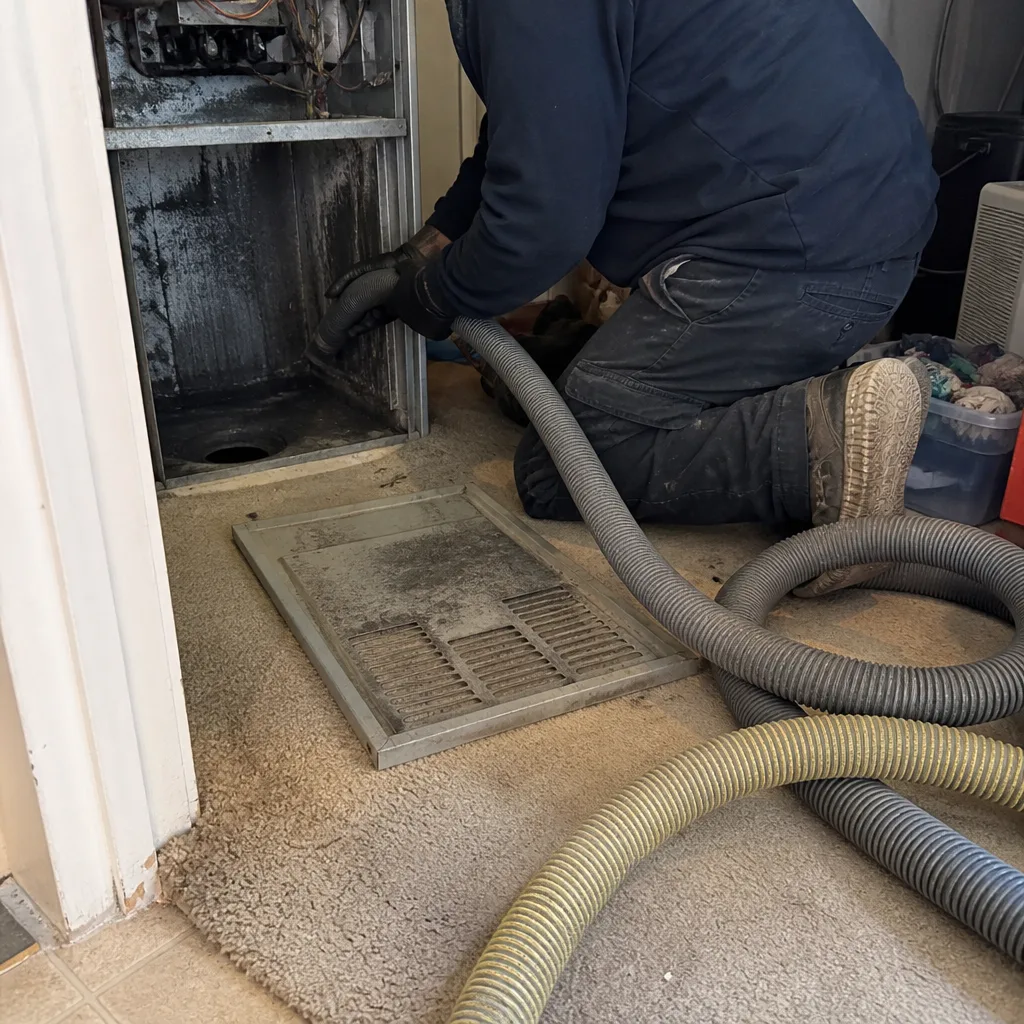 Before
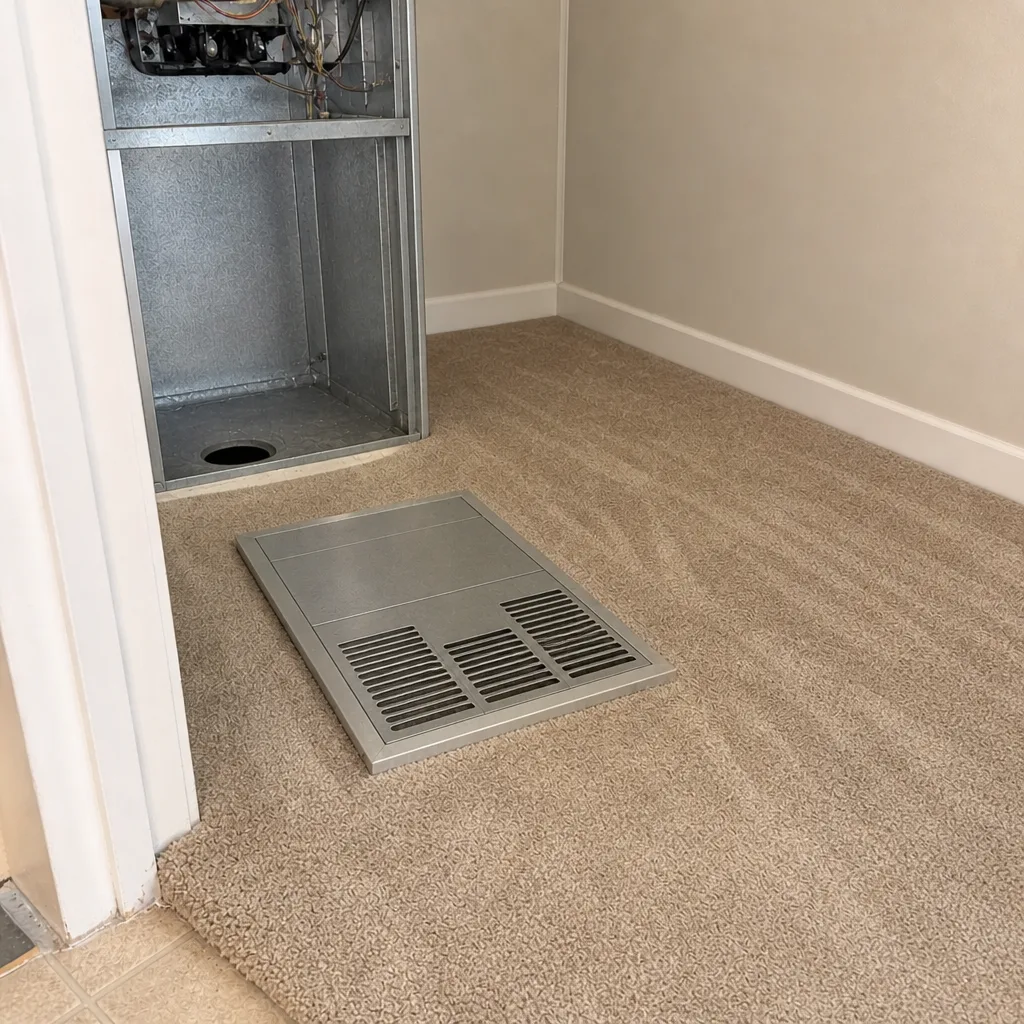 After
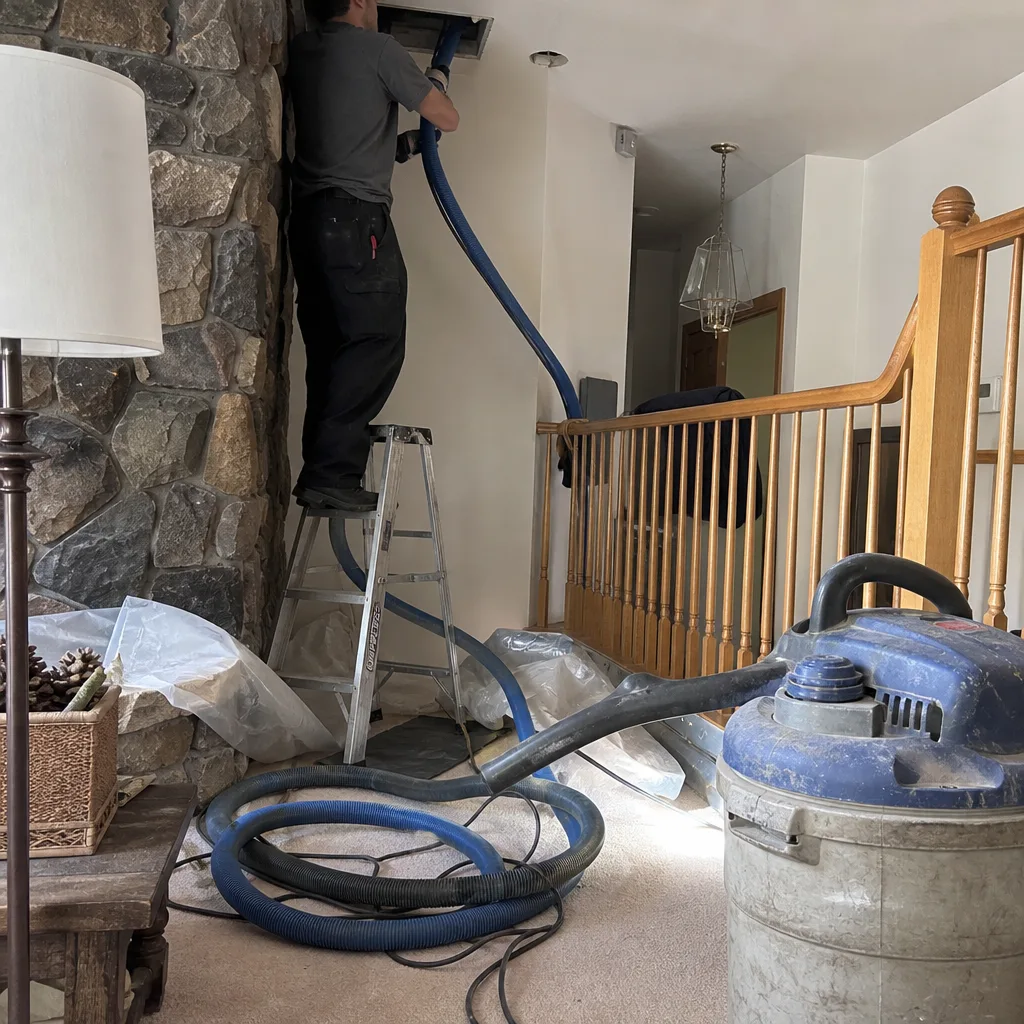 Before
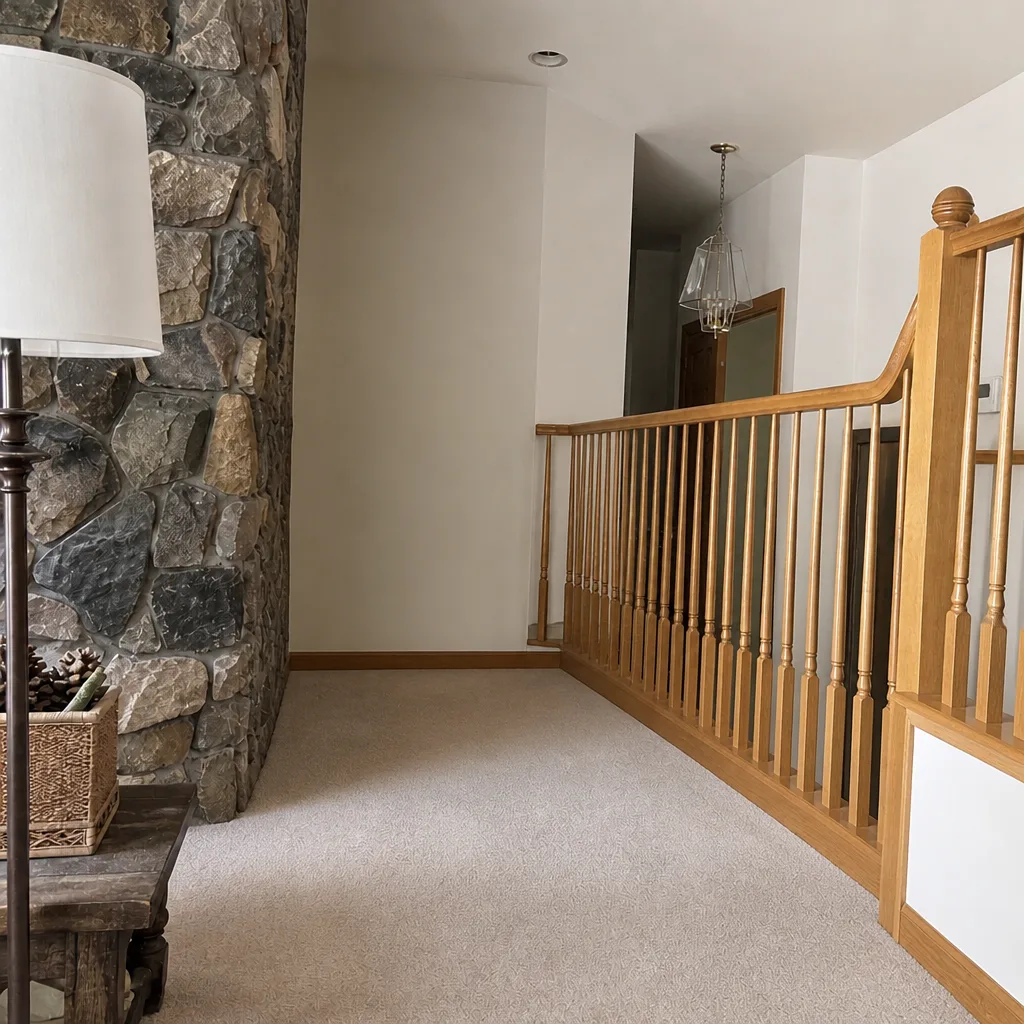 After
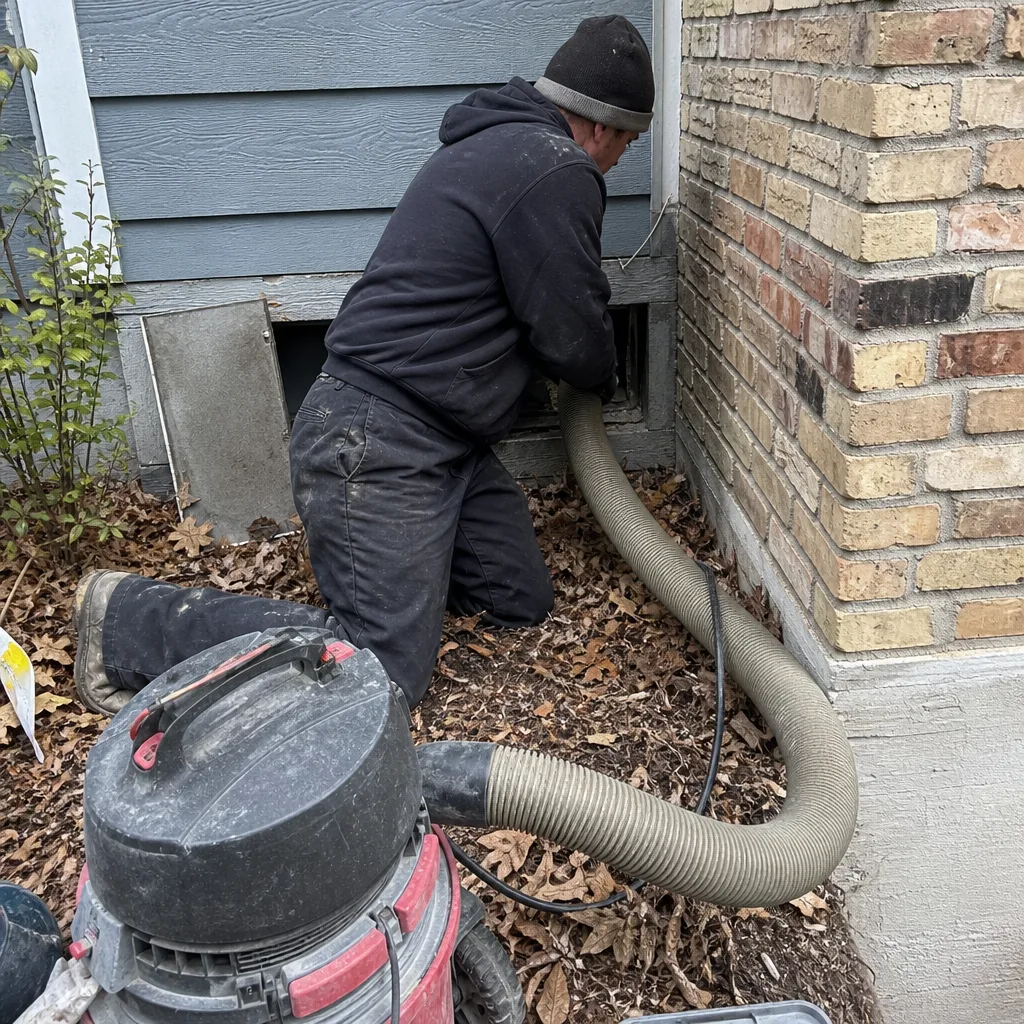 Before
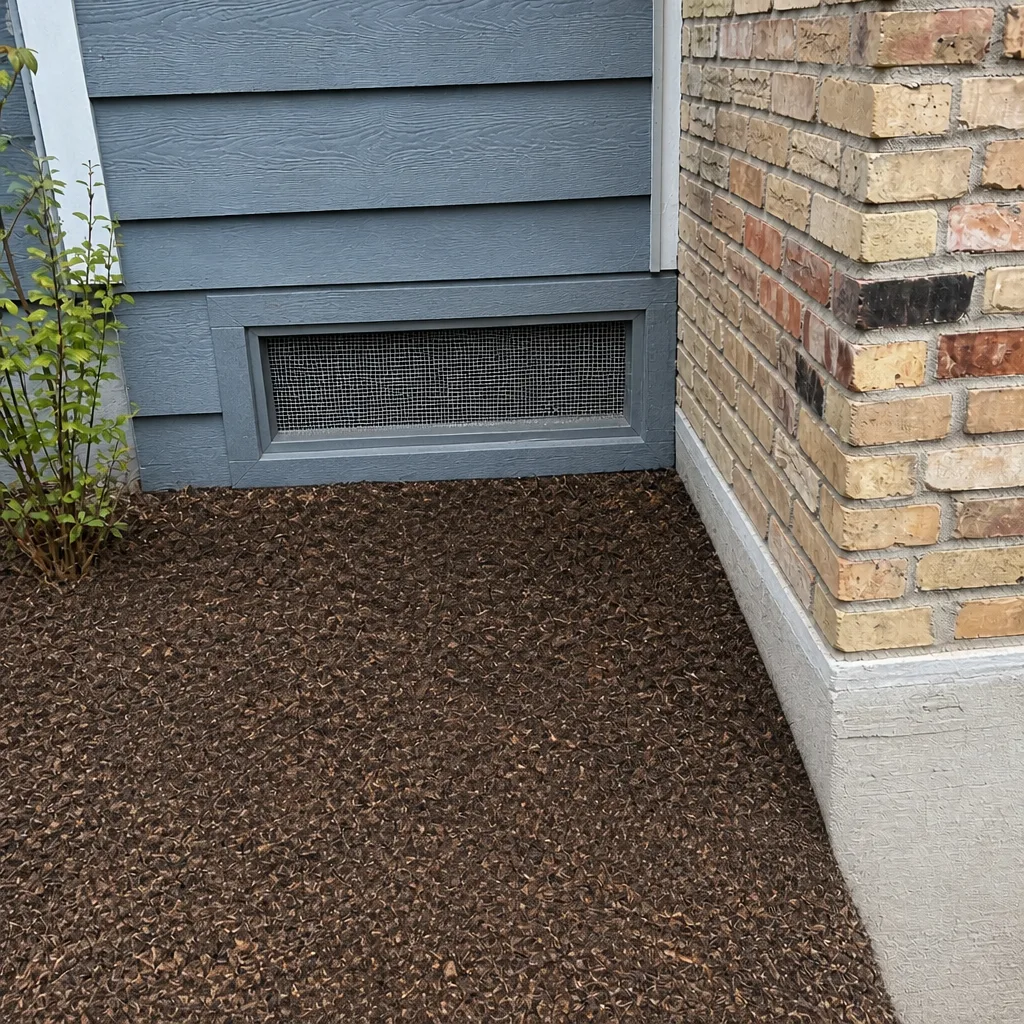 After
Common Mistakes to Avoid
- Running a stiff brush through flex duct. The inner liner doesn’t take abrasion well. A torn liner is a permanent leak, not a temporary mess, and it’s the single most common DIY duct error we see.
- Cleaning with a shop vac but no negative air. Stirring dust without a pressure gradient to pull it out just redistributes it across the blower and plenum, which is the opposite of what you wanted.
- Ignoring the blower wheel because it’s out of sight. The blower is often the actual source of musty supply air. If you clean the reachable ducts and skip the blower, the odor comes back in weeks.
- Handling old duct tape yourself. Deteriorated tape from the 1970s and 1980s can be a handling hazard, and only an inspection can rule out an asbestos-containing wrap.
- Skipping the filter change during DIY upkeep. A clogged return filter forces the system to pull air past gaps in the ductwork, which loads the system far faster than a clean filter ever would.
- Treating one home cleaning as permanent. A duct system re-soils at a rate set by filter condition, occupant load, and outdoor dust. In Heather Gardens, the windy Front Range spring drives fine dust into return grilles quickly.
- Assuming a leak is a dust problem. Uneven airflow between rooms is usually a duct-leak question, not a cleaning question. If you clean without sealing, you re-soil the cleaned system quickly.
When to Call a Professional
Call a professional if you spot any of the following: visible dust or debris puffing out of a register when the system starts, a persistent musty smell that returns after DIY cleaning, allergy symptoms that get worse indoors, recent renovation or post-remediation work, a home with flex duct where you’re not sure about liner condition, or a system that hasn’t been professionally cleaned in several years. Uneven airflow between rooms, or a visible gap in the ductwork, is also a signal to call, because those point to a sealing issue that cleaning alone won’t fix. Air Duct Cleaning Heather Gardens offers free estimates in Heather Gardens – call (855) 337-1174. We answer 24/7. Fast dispatch from 7am to 7pm, Sunday through Friday. Our technicians have up to 10 years of experience with the same equipment on every job: Rotobrush and Nikro for cleaning, Abatement Technologies for elevated contamination, and Honeywell and Aprilaire components when the system needs an air-quality upgrade.
Frequently Asked Questions
Yes, but only the register boots and the first few feet of the branch ducts. The main trunk, blower wheel, coil face, and return plenum require professional equipment and negative air pressure to clean properly, so DIY covers surface maintenance only. Call (855) 337-1174 for a free estimate if you want the full system addressed.
It comes down to symptoms and history. If you have musty odors, visible dust blowout, recent renovation, or allergy flare-ups, professional cleaning is likely essential. If none of those apply and the system was cleaned within the last three to five years, DIY maintenance plus a filter schedule is a reasonable baseline. Call (855) 337-1174 and we’ll walk through your specific situation – estimates are free.
Yes, in specific cases. Stiff brushes can tear the inner liner of flex duct, deteriorated tape on older ducts can be a handling hazard, and post-remediation systems can re-release contamination if cleaned without negative air. A professional inspection before any DIY work is the right move for these systems. Call (855) 337-1174 to schedule one.
Typical guidance is every three to five years for most systems, and more often for homes with allergy sufferers, pets, or recent renovations. A well-maintained filter and DIY register upkeep can extend that interval. Call (855) 337-1174 to get an assessment of where your system actually sits.
Because the smell is almost always coming from the blower wheel or return plenum, not the register you vacuumed. Those sections are sealed and require the air handler to be opened. Professional cleaning addresses them directly. Call (855) 337-1174 for a diagnostic visit – the estimate is free.
Contractor-grade negative air machines (like Abatement Technologies units), rotating brush systems like Rotobrush and Nikro, coil cleaning equipment, and HEPA filtration along with before-and-after documentation. These aren’t consumer products, and they’re the reason professional cleaning removes contamination that a shop vac just echoes back into the room. Call (855) 337-1174 for an exact quote.
The Bottom Line
DIY duct cleaning isn’t worthless. It’s a genuinely useful layer of maintenance for register boots, branch duct openings, filter changes, and grille upkeep. But it addresses a different part of the contamination problem than professional source-removal. The main trunk, blower wheel, coil face, and return plenum are where air quality problems concentrate, and those need negative air pressure and contractor-grade equipment to clean properly. Use the decision matrix above to figure out which side of that line your Heather Gardens home is on. If the answer is “professional,” or you’re not sure, get a free estimate before you spend another afternoon with a brush kit: air duct cleaning in Heather Gardens covers the equipment and process in detail, and the home page for Air Duct Cleaning Heather Gardens covers the full suite of services.
Call (855) 337-1174 for a free estimate. We answer 24/7. Fast dispatch from 7am to 7pm, Sunday through Friday.
Written by the team at Air Duct Cleaning Heather Gardens.