
Last updated November 25, 2026
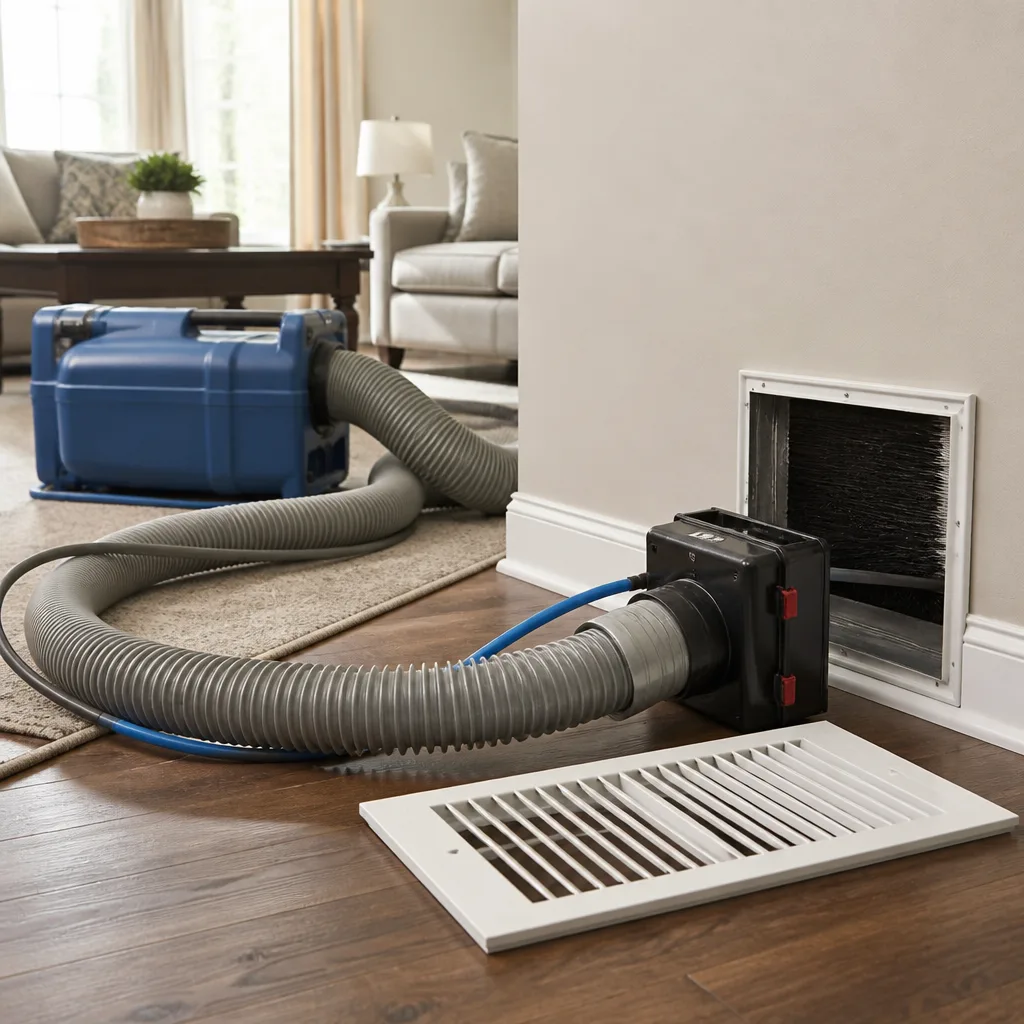 Whole-home duct cleaning
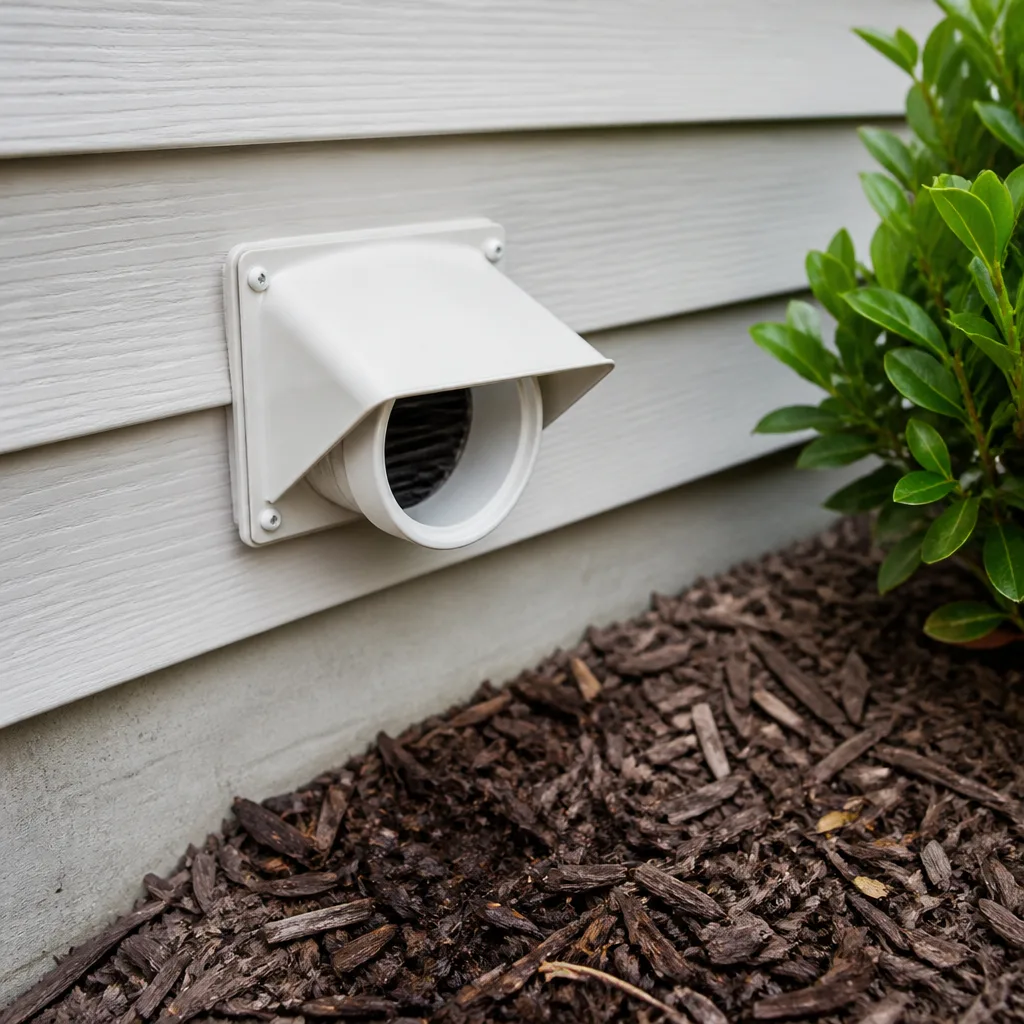 Dryer vent cleaning
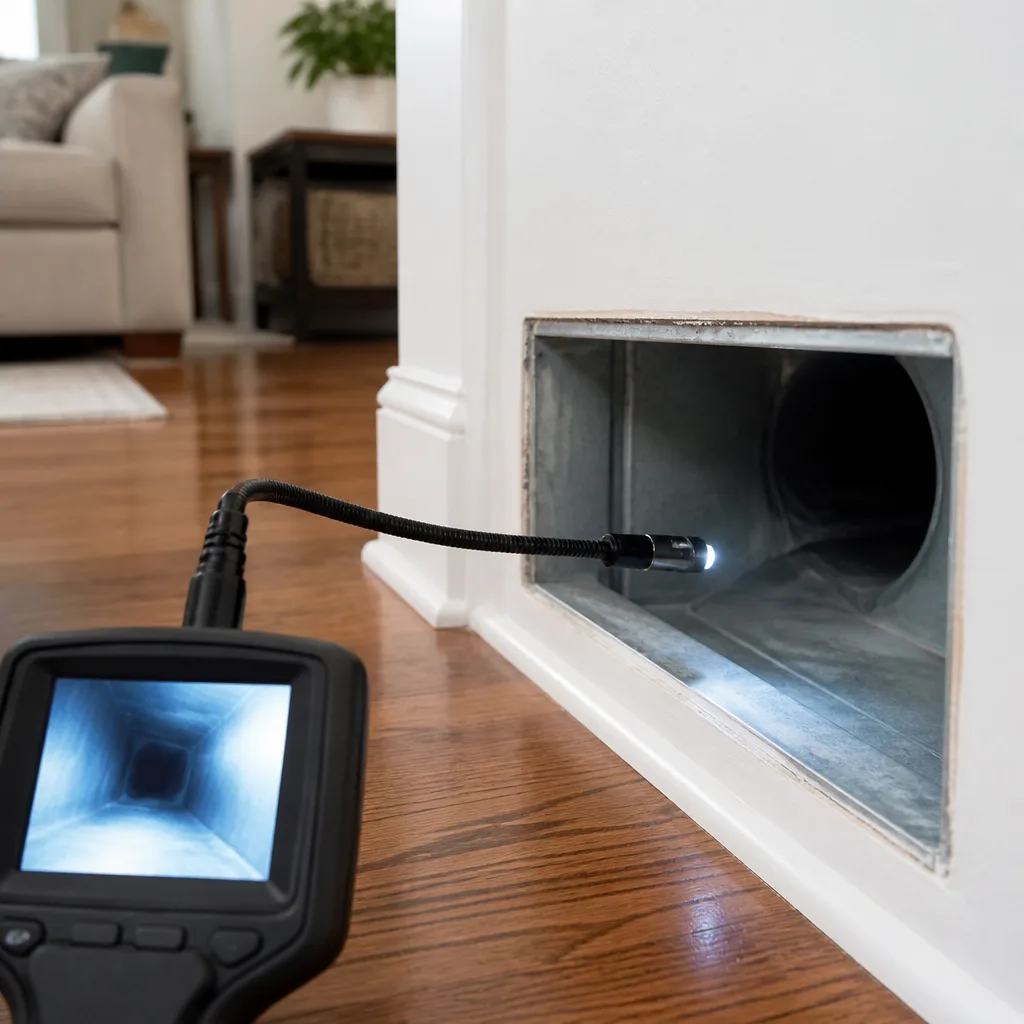 Camera inspection
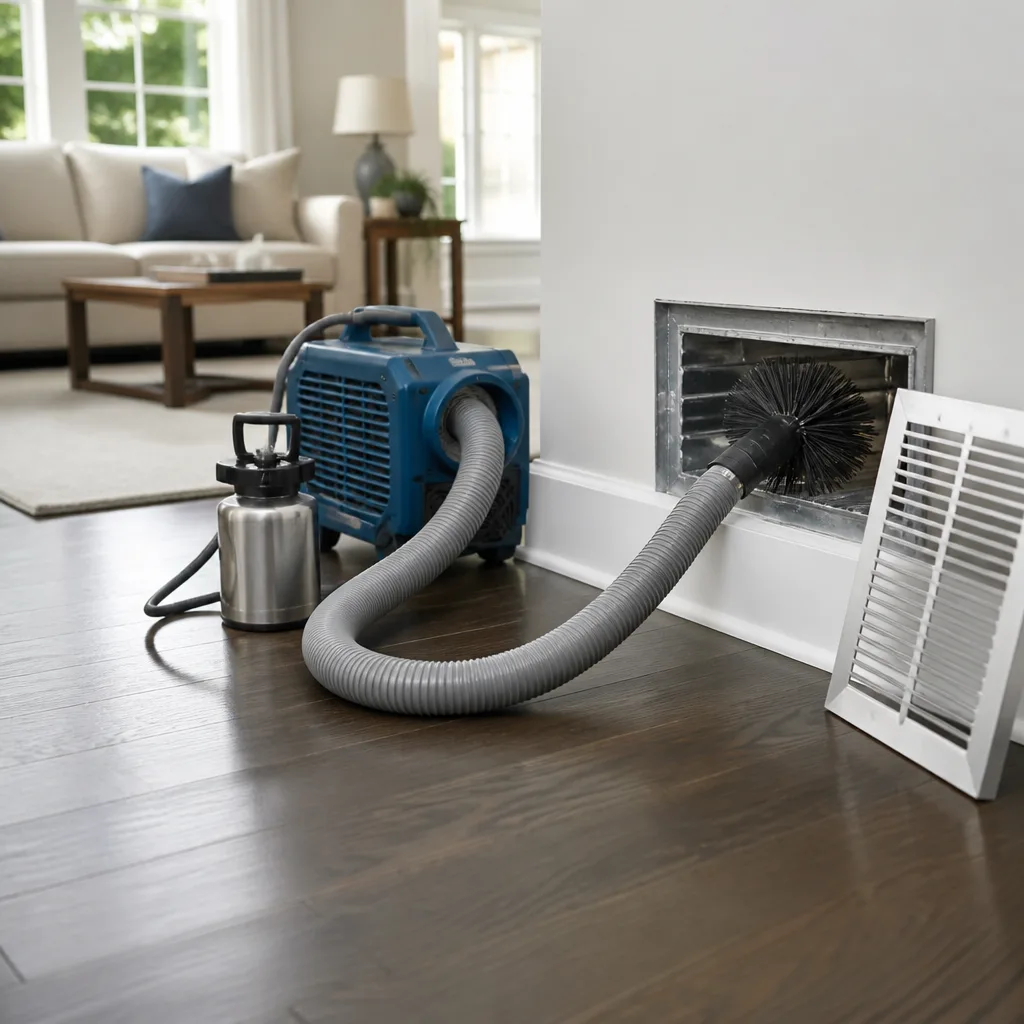 Sanitizing & deodorizing
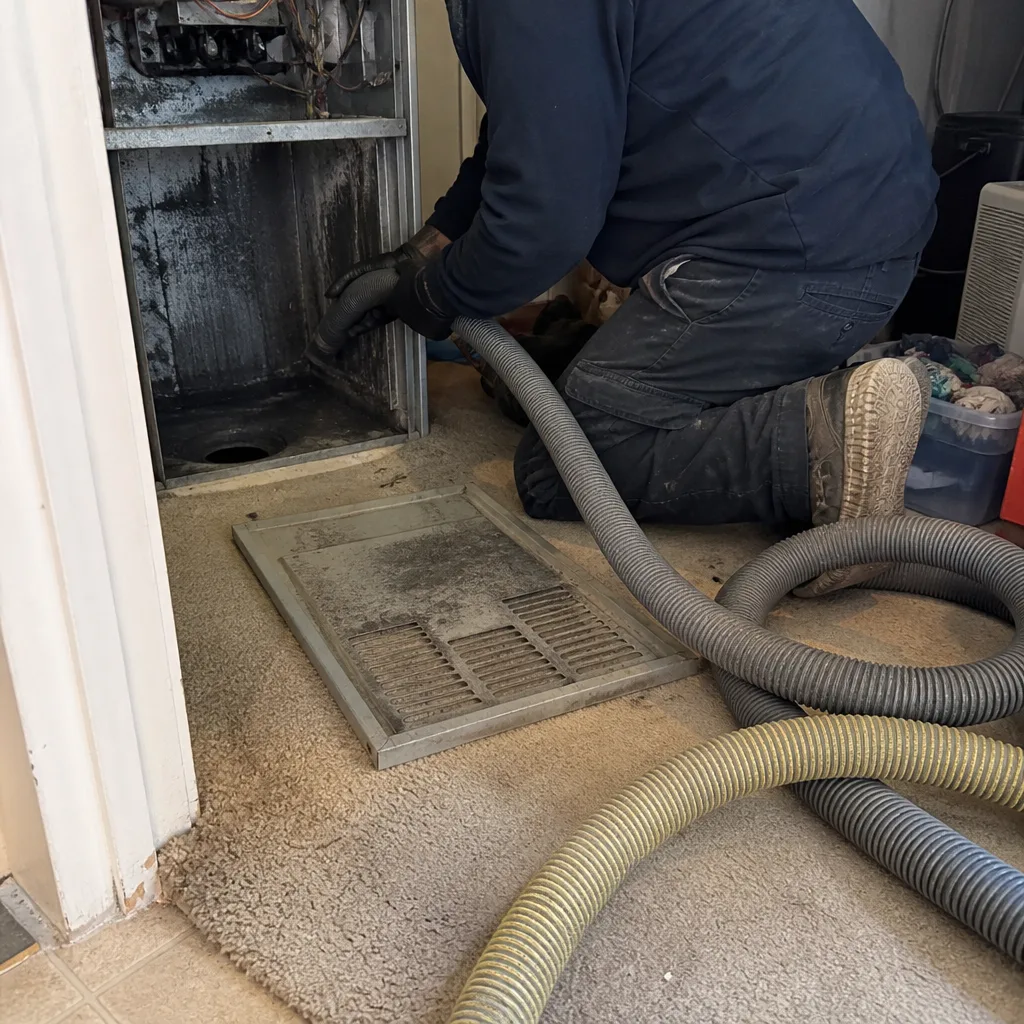
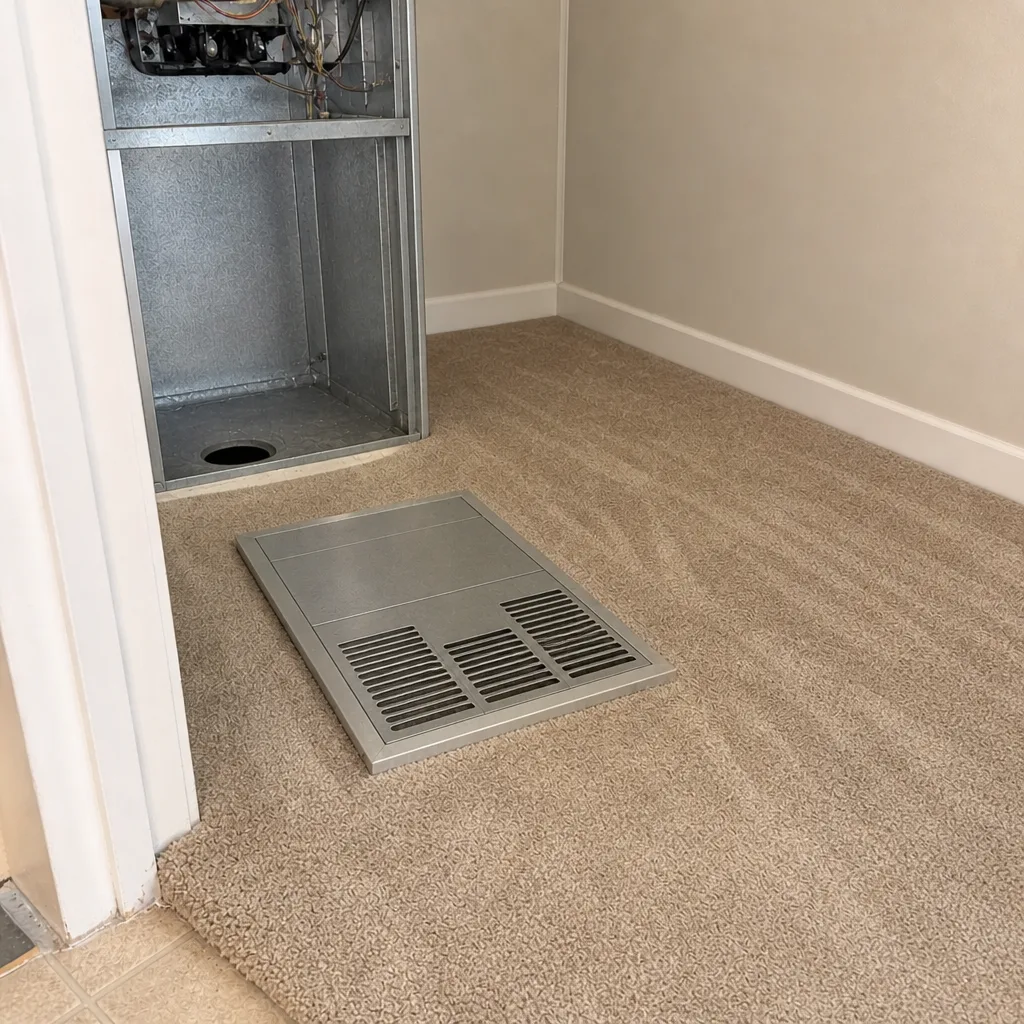
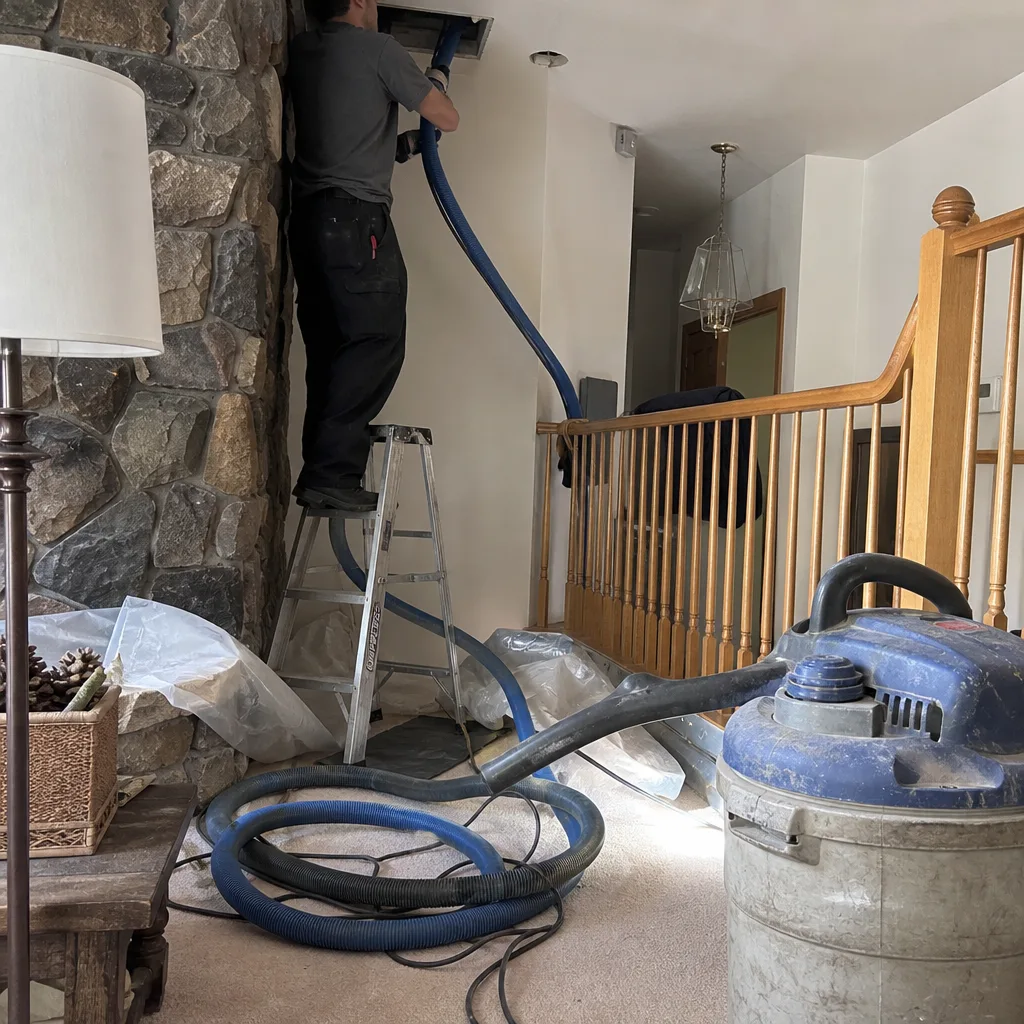
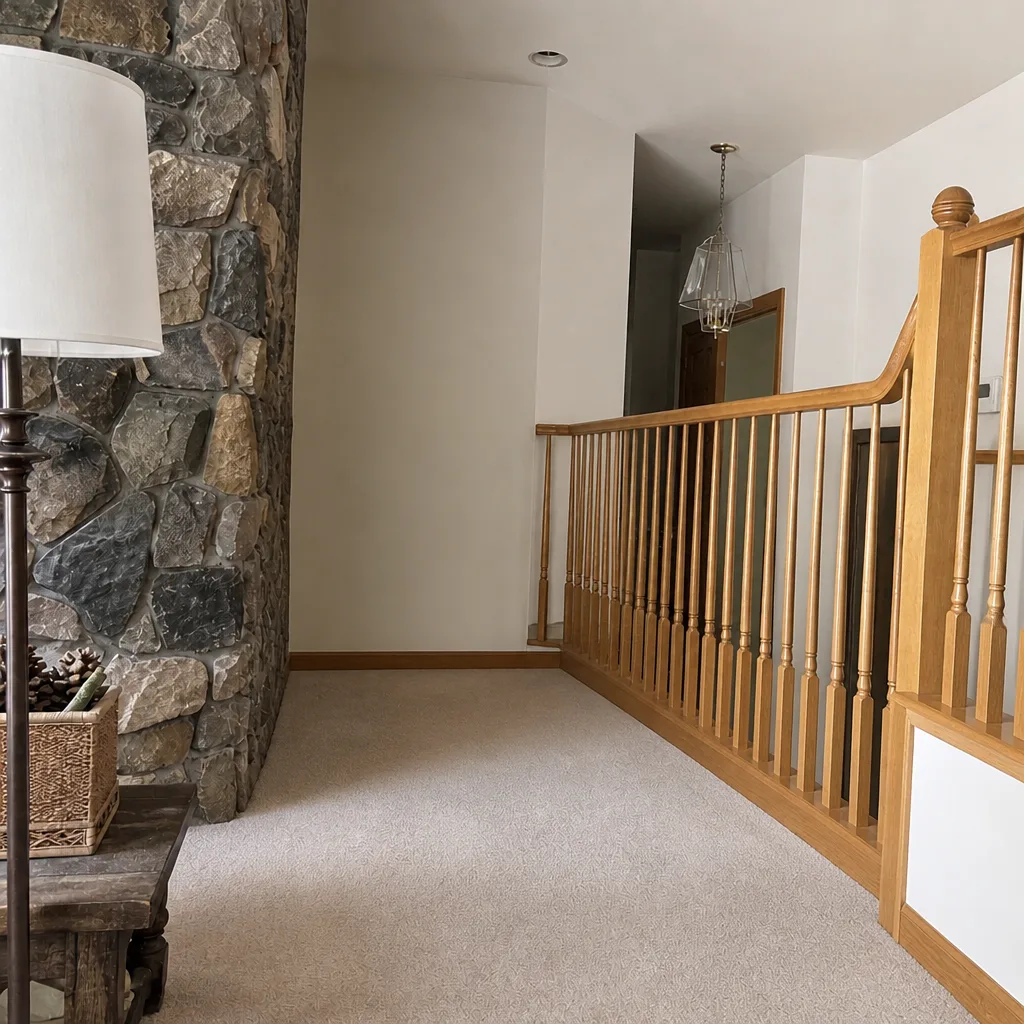
Whole-system duct and dryer vent check with before-and-after photos - you see exactly what came out of your vents
That "$99 whole-house special" is a bait ad - the real number appears once they are in your hallway, or the "clean" is a shop-vac at the register. We photograph the inside of your ducts before and after instead.
Air Duct Cleaning Cost Breakdown: The Heather Gardens Homeowner’s Reference for 2026
A $199 whole-house duct cleaning quote and a $750 quote for the same Aurora-area home are rarely describing the same service. The gap usually comes down to three things: whether the crew runs negative air pressure equipment, whether they clean by contact (brushing and agitating every surface) or just vacuum from the register, and whether they cut and properly seal access holes to reach the whole run. Two contractors can hand you a bid for the same square footage and be selling completely different amounts of work. This guide walks through what actually drives the price in the Heather Gardens market for 2026, which add-ons are worth paying for, and how to read a written quote so you can compare bids line by line.
Quick Answer
Air duct cleaning for a typical Heather Gardens condo or single-family home in 2026 usually runs about $300 to $600 for a standard whole-system clean, with simple jobs starting near $150 and contaminated or multi-zone systems reaching $1,000 and up. The number that matters most isn’t the average – it’s which specific tasks the quote includes: negative air pressure, contact cleaning, access holes cut and resealed, and a documented before-and-after record. A written estimate should itemize those tasks so you can see exactly what you’re buying.
Styles & brands we work with
- Whole-home duct cleaning
- Dryer vent cleaning
- Camera inspection
- Sanitizing & deodorizing
Table of Contents
- What Actually Drives the Price of Duct Cleaning in Heather Gardens
- Realistic 2026 Price Ranges by Job Type
- Why Low Flat-Rate Offers Underprice the Work
- Add-Ons Worth Paying For – and the Ones That Aren’t
- How Heather Gardens’ HOA Structure Affects Pricing
- What a Written Quote Should Itemize
- Comparing Contractors: A Checklist
- Common Mistakes to Avoid
What Actually Drives the Price of Duct Cleaning in Heather Gardens
Duct cleaning isn’t priced by the hour or by some universal square-foot formula. A contractor builds the price from a handful of variables, and understanding each one tells you whether a quote is high for a real reason or padded for no reason.
Square footage. The size of the conditioned space sets a baseline. A compact Heather Gardens condo under 1,200 square feet involves fewer runs and less travel time than a 2,500-square-foot home with two zones, and that difference shows up directly in the labor estimate.
Number of supply and return registers. This is the single biggest driver most homeowners overlook. Every register is an access point that needs to be opened, cleaned, and closed again. A home with eight supplies and two returns is a different job from one with eighteen supplies and four returns, even if the square footage is identical. Ask any contractor for the register count they’re pricing.
Duct material type. Sheet metal cleans predictably. Flex duct, common in many Heather Gardens-area homes built or updated in recent decades, has a corrugated interior that traps debris and requires gentler agitation so the liner isn’t damaged. Older rigid ductwork with interior insulation adds complexity too, because the insulation itself can’t be scrubbed the way bare metal can.
System age and condition. A system cleaned regularly presents fewer surprises. One that hasn’t been touched in a decade or more may have heavy buildup, disconnected sections, or crushed runs that need repair before cleaning even makes sense. Age alone isn’t the trigger – visible condition is.
Accessibility. Attic runs, crawlspace sections, and tight mechanical closets all add labor. In Heather Gardens, where many units have compact mechanical rooms, the technician may spend real time just figuring out how to reach the far end of a trunk line.
The other structural factor is whether the quote includes air duct cleaning only, or extends to HVAC cleaning of the air handler, coil, and blower. Those are separate scopes and separate line items. A quote that silently bundles them is harder to compare than one that shows each.
Realistic 2026 Price Ranges by Job Type
Here’s how the pricing breaks down by job type for the Heather Gardens market in 2026. Treat these as typical estimates, not fixed prices – every home is different, and only a written estimate sets the final number.
- Standard whole-system clean (vent, register, trunk line): roughly $300 to $600 for a typical condo or single-family home.
- Deep or contaminated clean (heavy buildup, post-renovation, years of neglect): roughly $600 to $1,000, sometimes higher if the system needs remediation-level equipment.
- Air handler and coil cleaning (added to a duct clean): roughly $150 to $350 depending on accessibility.
- Duct repair and sealing: priced per job, from a couple of hundred dollars for minor leaks up to well over a thousand for extensive damage to a full zone. Only a written estimate sets the price.
- Dryer vent cleaning: roughly $125 to $250, and it’s a separate service with a different safety case from the HVAC ducts. Learn more about dryer vent cleaning.
- Sanitizing / air quality treatment: roughly $150 to $400 as an add-on, only where microbiological growth or heavy organic debris is confirmed.
A few things push a home toward the top of a range. One is a multi-zone system where each zone has its own damper and trunk, because every zone is essentially its own cleaning job. Another is a home with long runs that a vacuum alone can’t reach, so the technician spends more time setting up negative air pressure across multiple openings. A third is whether the HVAC unit needs to be shut down and partially disassembled to access the coil.
In our experience, the honest way to use these ranges is to sanity-check the shape of a bid, not to haggle toward a number. If a job that clearly involves two zones and heavy buildup comes in at the bottom of a range, ask what’s being skipped. If a straightforward condo comes in near the top, ask what’s being added.
Why Low Flat-Rate Offers Underprice the Work
There’s a reason the same house gets a $199 bid from one company and a $750 bid from another. The $199 bid isn’t usually a different company doing the same job for less. It’s a different job. Three specific things go missing at that price.
Negative air pressure. Proper duct cleaning requires putting the whole system under negative pressure with a powerful vacuum so debris is pulled out of the ducts and captured, not simply stirred into the room. Equipment capable of that – like a Rotobrush or Nikro system sized for whole-house work – costs real money to run and maintain. A shop vac with a hose doesn’t create negative pressure. It moves surface dust around.
Contact cleaning. Debris bonds to the walls of a duct. Loosening it requires physical agitation – a rotating brush, whips, or air tools sized to the duct – followed by extraction. A quick pass with a vacuum nozzle removes what’s loose and leaves the film behind. The difference between a contact clean and a vacuum pass isn’t visible from the sidewalk. It’s the difference between a clean duct and a duct that looks slightly less dirty.
Access holes cut and resealed. Reaching the full length of a trunk line usually requires cutting access holes at intervals, then sealing them again when the job is done. That takes time, sealing materials, and a technician who knows where not to cut. Skipping the holes skips a chunk of the labor – and a chunk of the cleaning.
When a flat-rate offer has to make its money some other way, the gap normally closes in one of two places. Either the crew skips the steps above, or the upsells appear at the door: a surprise sanitizing charge, a sealing charge, a “your filters are terrible” charge that wasn’t in the bid. In our experience, the best defense is a written estimate that lists the steps before the truck arrives, plus before-and-after photos of your own ducts so you can see what actually got cleaned. Ask for both.
Add-Ons Worth Paying For – and the Ones That Aren’t
Some add-ons genuinely raise the quality of the work. Others are padding. Here’s how to tell them apart.
Worth paying for when the job calls for it:
- HEPA filtration on the exhaust equipment. A HEPA filter captures fine particulate that a standard filter lets escape. This matters most in homes with allergy concerns, recent renovation dust, or anything that raises the volume of fine particles in the system. If a company runs HEPA filtration, ask whether the filter is calibrated and changed per job.
- Video inspection. A camera run into the ducts before and after cleaning is proof of the work. It also catches problems – disconnected joints, crushed runs, microbial growth – that aren’t visible from a register. This is the difference between cleaning and diagnosing.
- Mold or sanitizing treatment, but only when confirmed. If there’s visible or confirmed microbiological growth, sanitizing is appropriate. Products like Guardsman treatments can be applied as a final step. This should be priced as an add-on, not slipped into the base price silently.
- Duct repair and sealing. Cleaning removes what’s built up; sealing fixes the leaks that let it back in and cost you airflow. It’s the difference between a clean system and a system that stays clean. A duct cleaning service that also seals is addressing the root cause, not just the symptom.
Usually not worth paying for as an automatic add-on:
- Fragrance or deodorizing treatments that mask an odor without addressing the source.
- “Antimicrobial coatings” pitched on every job regardless of condition.
- Filter upgrades sold without checking whether your system’s return plenum can handle the higher restriction.
The principle is simple: pay for a step when the condition justifies it, and expect the contractor to show you why with a photo or a camera feed. In our experience, a technical explanation beats a sales pitch every time. Brands like Abatement Technologies exist for the heavier remediation scenarios – heavily contaminated systems where standard equipment isn’t enough – and using them when the job calls for it is appropriate. Using that equipment on every routine clean and charging for it anyway is a pitch.
How Heather Gardens’ HOA Structure Affects Pricing
Heather Gardens is a large, established HOA community, and that structure changes the practical logistics of duct cleaning in ways a detached-house price list doesn’t account for.
Multi-unit access. In attached or clustered units, the technician may need to coordinate access across more than one entry point – a supply register in one unit that shares a trunk configuration with the neighboring space, for example. Access coordination is labor. A company that hasn’t worked in an HOA community may not price for it.
Shared or compact mechanical spaces. Condo mechanical rooms in Heather Gardens can be tight. Reaching the air handler, setting up negative pressure, and running extraction lines in a tight mechanical closet takes longer than an open basement. That’s a legitimate reason for a quote to land higher than a comparable-square-footage detached home.
Coordination logistics. Scheduling in an HOA typically means working around the community’s rules on parking, dumpster access for removed debris, and when a technician can be in a shared hallway. A written estimate should confirm the technician has checked the access requirements in advance, not discovered them at the door.
Property-manager pricing. If you’re a Heather Gardens property manager with multiple units, ask for a per-unit written quote that shows exactly the same line items as a single-family quote. A per-unit discount that removes steps from the scope isn’t a discount; it’s a cheaper, smaller job.
In our experience, the most reliable predictor of a smooth job in an HOA community is whether the contractor asks access questions during the estimate. If the estimate conversation ignores parking, access, and mechanical-room layout, the job is going to run into those things at the door.
What a Written Quote Should Itemize
The single most useful thing you can do before hiring anyone for duct work is insist on a written quote that itemizes every line. A written quote lets you compare bids apples to apples, and the absence of a specific line item tells you something. Here’s what should be there:
- Square footage and register count. The quote should state the size of the space and the number of supply and return registers being cleaned. A bid that doesn’t name the register count is pricing something vague.
- Equipment used. The specific equipment – not just “professional duct cleaning equipment” – tells you whether negative air pressure and contact cleaning are involved. If a company uses Rotobrush or Nikro equipment, it’s worth confirming on the quote.
- Access holes: how many, where, and whether they’re resealed. This line item is the clearest test of whether a quote is serious.
- Cleaning method. Contact cleaning with agitation versus vacuum-only. The quote should name it.
- Air handler and coil cleaning – included or separate. This is often skipped from the base price. Show it either way.
- Add-ons, itemized and conditional. Sanitizing, sealing, and filtration should be shown with a price, and ideally shown as conditional on the technician finding a reason to do them.
- Before-and-after documentation. Photos or video of your own ducts. This is the standard a good contractor sets for themselves.
- The final price clause. “The written estimate sets the final price.” Anything less specific gives the contractor room to add charges at the door.
If a quote is missing items 1, 3, and 7, that absence is telling you something about the quality of the job. Those three line items are the hardest to fake and the easiest to skip.
Comparing Contractors: A Checklist
When you have two or three quotes in hand, run each one through this checklist. The contractor who checks off more of these is usually the one whose number you can trust.
- Does the quote state the register count? Yes or no.
- Does it name negative air pressure equipment? Yes or no.
- Does it list access holes and resealing as a specific line? Yes or no.
- Does it separate air handler and coil cleaning from duct cleaning? Yes or no.
- Does it price each add-on, or lump them into a package?
- Does it include before-and-after photos as a deliverable? Yes or no.
- Does it state that the written estimate sets the final price? Yes or no.
A bid that checks every box on this list isn’t automatically the one to hire – but a bid that misses three or more is telling you exactly where the shortcuts live. The most common shortcut is a missing register count and no access hole line. Those two together mean the crew is going to vacuum from the registers and call it a full clean.
Common Mistakes to Avoid
- Choosing on the lowest headline price alone. The $199 bid and the $750 bid for the same home are usually not the same job. Compare line items, not numbers.
- Accepting a quote with no register count. If the quote doesn’t name how many registers it’s cleaning, you don’t know what you’re buying. Ask for it to be written in.
- Assuming the air handler is included. Duct cleaning and HVAC cleaning are different scopes. Many low bids quietly leave the air handler and coil out, which is where a lot of the buildup lives.
- Paying for sanitizing before anyone has confirmed a reason. Sanitizing is appropriate when there’s confirmed microbiological growth. It’s not a routine add-on on every job.
- Skipping duct sealing to save a step. Cleaning without sealing leaves the leaks that let debris back in. In Heather Gardens’ compact HOA units, leaking joints are easy to miss and easy to fix.
- Not asking for before-and-after photos. The single best defense against a skipped job is documentation of your own ducts. Ask for it before you sign the estimate.
- Forgetting the dryer vent. It’s a separate service with its own safety case, and it’s often the most overlooked line item in a whole-home air quality plan.
When to Call a Professional
Reach out for a written estimate when you’ve noticed the symptoms: allergy flare-ups that seem to follow you from room to room, a musty smell when the system kicks on, uneven airflow where one room is always colder than another, or visible dust around the registers. Those are the signals that the ducts may be carrying more than they should. A professional can run a camera, check for leaks, and tell you whether the system needs cleaning, sealing, or just a filter change. Air Duct Cleaning Heather Gardens offers free estimates in Heather Gardens – call (855) 337-1174. Our technicians have up to 10 years of experience, and every written estimate sets the final price before work starts. If you’re already seeing obvious mold near the registers or your furnace is short-cycling, don’t wait; get it diagnosed before the next heating season.
See the difference
 Before
 After
 Before
 After
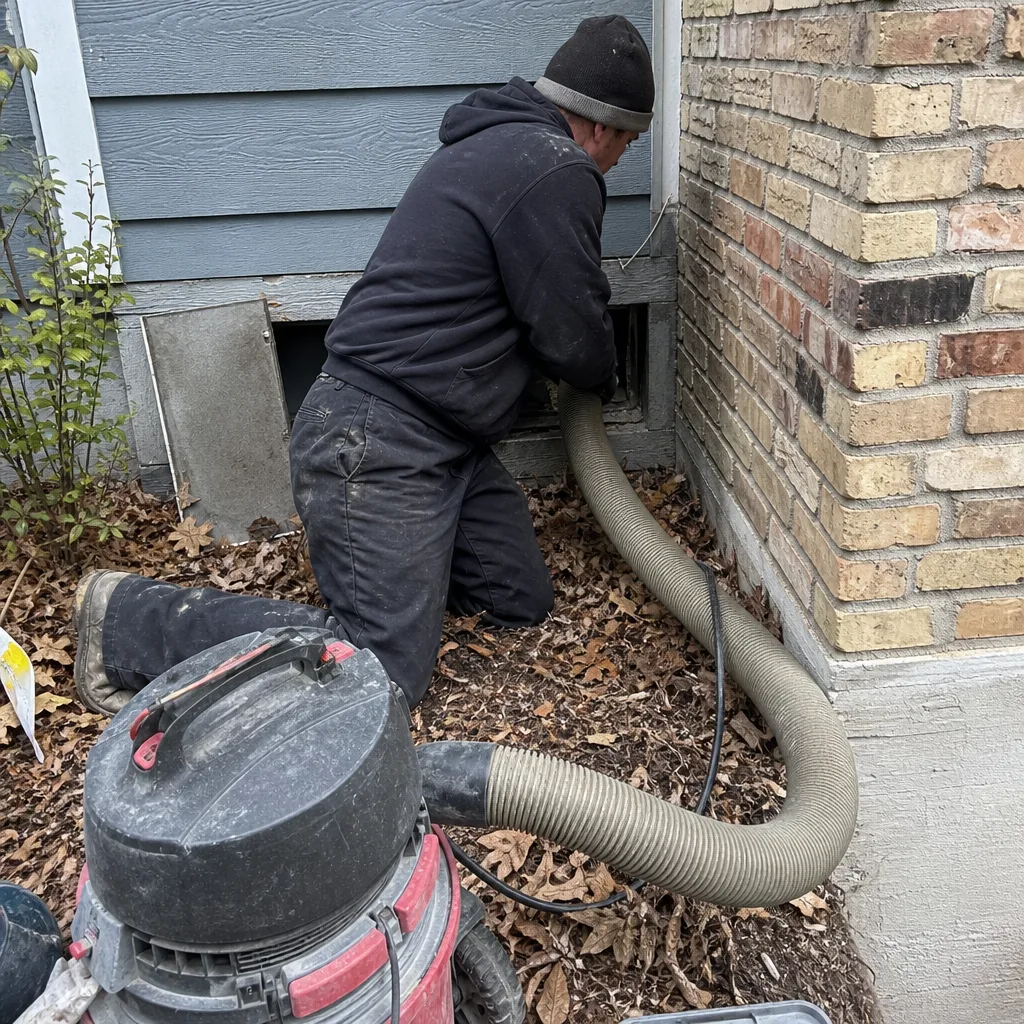 Before
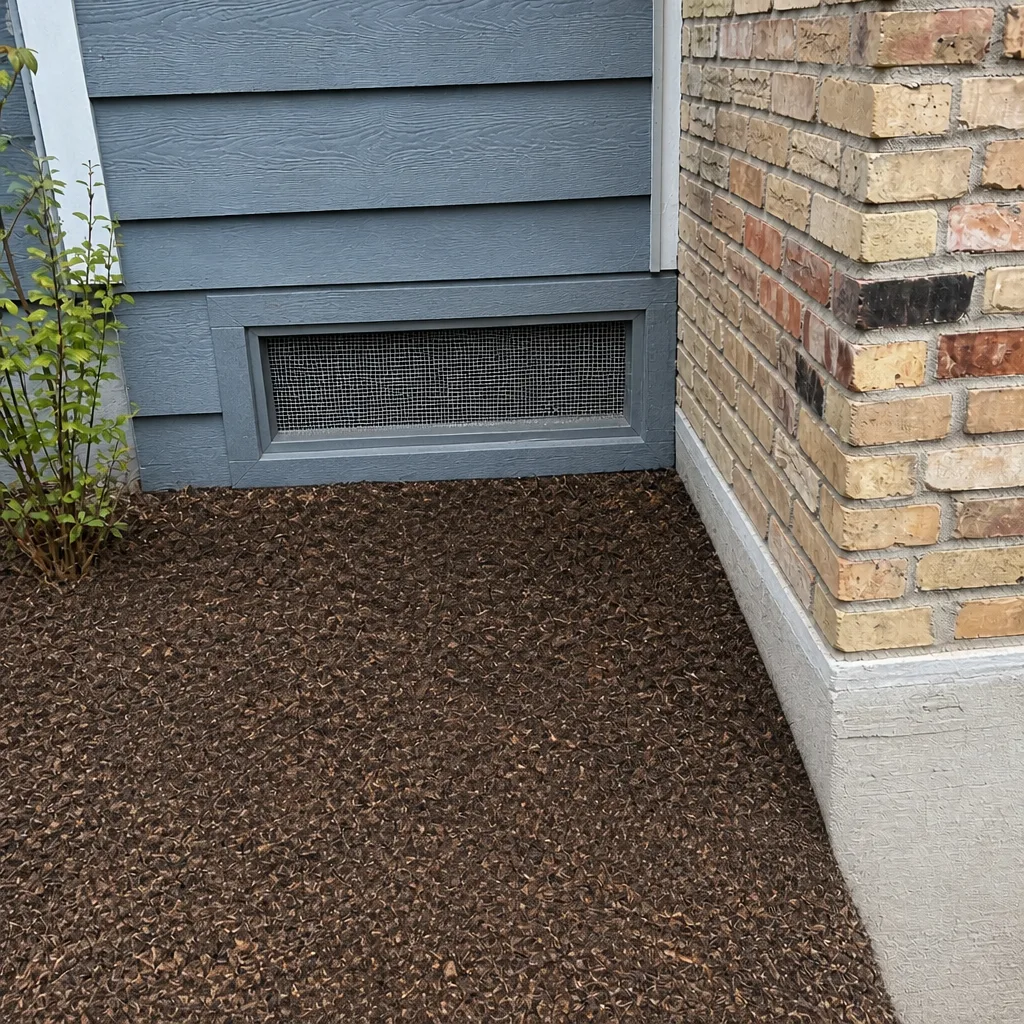 After
Frequently Asked Questions
Most Heather Gardens homes fall in the $300 to $600 range for a standard whole-system clean, with simple jobs starting near $150 and contaminated or multi-zone systems reaching $1,000 and higher. The final number depends on square footage, register count, duct material, and which add-ons the system actually needs. Only a written estimate sets the final price. Call (855) 337-1174 for an exact quote – estimates are free.
Usually because they’re a different job – a flat-rate low bid typically skips negative air pressure equipment, contact cleaning with agitation, or cutting and resealing access holes. Those three steps are the core of a real whole-system clean, and skipping them is where the savings come from. A $199 bid isn’t a $750 job for less; it’s a different scope. Ask for a written line-item quote and compare the scope, not the number.
Ask for before-and-after photos of your own ducts, and for a video inspection if the contractor has a camera. A company that uses Rotobrush or Nikro equipment and runs HEPA filtration should be able to document what was cleaned. If a contractor won’t show you photos or video, that’s a reason to hire someone else.
Most homes don’t need it on a fixed schedule. A reasonable interval is every three to five years for a typical home, sooner if you’ve had renovation dust, pets, recent water intrusion, or allergy symptoms that track with the system running. Every home is different, and the honest answer is to check condition rather than calendar. Call (855) 337-1174 if you want a free assessment.
It can, because multi-unit access, compact mechanical spaces, and coordination with the community’s rules on parking and shared hallways all add labor. Those are legitimate reasons a quote in a Heather Gardens unit may land higher than a comparable-square-footage detached home. A written estimate should confirm the contractor has checked access requirements in advance. Call (855) 337-1174 for an exact quote – estimates are free.
No – sanitizing is appropriate when there’s confirmed microbiological growth or heavy organic debris, and it’s usually priced as an add-on. A Guardsman treatment can be applied as a final protective layer when it’s warranted. On a routine clean with no confirmed growth, it’s not necessary. Ask what the technician saw before agreeing to it.
The Bottom Line
The duct cleaning price range in the Heather Gardens area for 2026 isn’t a mystery. A standard whole-system clean typically runs $300 to $600, with simple jobs near $150 and heavily contaminated or multi-zone systems reaching $1,000 and above. What separates a fair bid from a bad one isn’t the number – it’s whether the quote itemizes the steps that actually clean the system: negative air pressure, contact cleaning with professional-grade equipment, and access holes cut and resealed. Add-ons like HEPA filtration, video inspection, and sanitizing are worth paying for when the condition justifies them. And sealing, not just cleaning, is what keeps the system clean. Compare line items, not headlines. (855) 337-1174
Contact
Air Duct Cleaning Heather Gardens provides air duct cleaning, dryer vent cleaning, HVAC cleaning, duct repair and sealing, and air quality and sanitizing – five service categories handled by one provider using professional-grade Rotobrush and Nikro equipment, with Honeywell and Aprilaire air quality components available for installation. Written estimates set the final price before work starts, and we document each job with before-and-after photos. Call (855) 337-1174 for a free estimate. We answer 24/7. Fast dispatch from 7am to 7pm, Sunday through Friday.
Written by the team at Air Duct Cleaning Heather Gardens.