
Last updated November 25, 2026
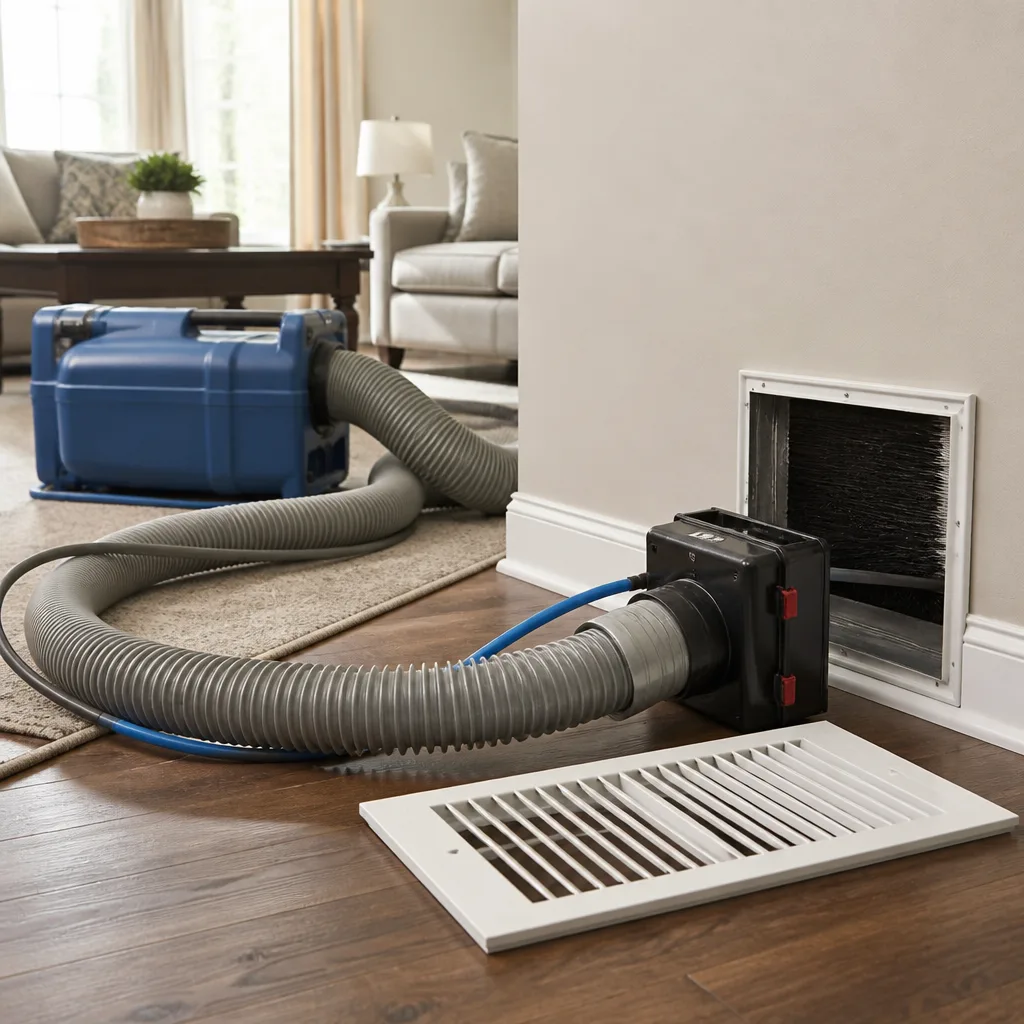 Whole-home duct cleaning
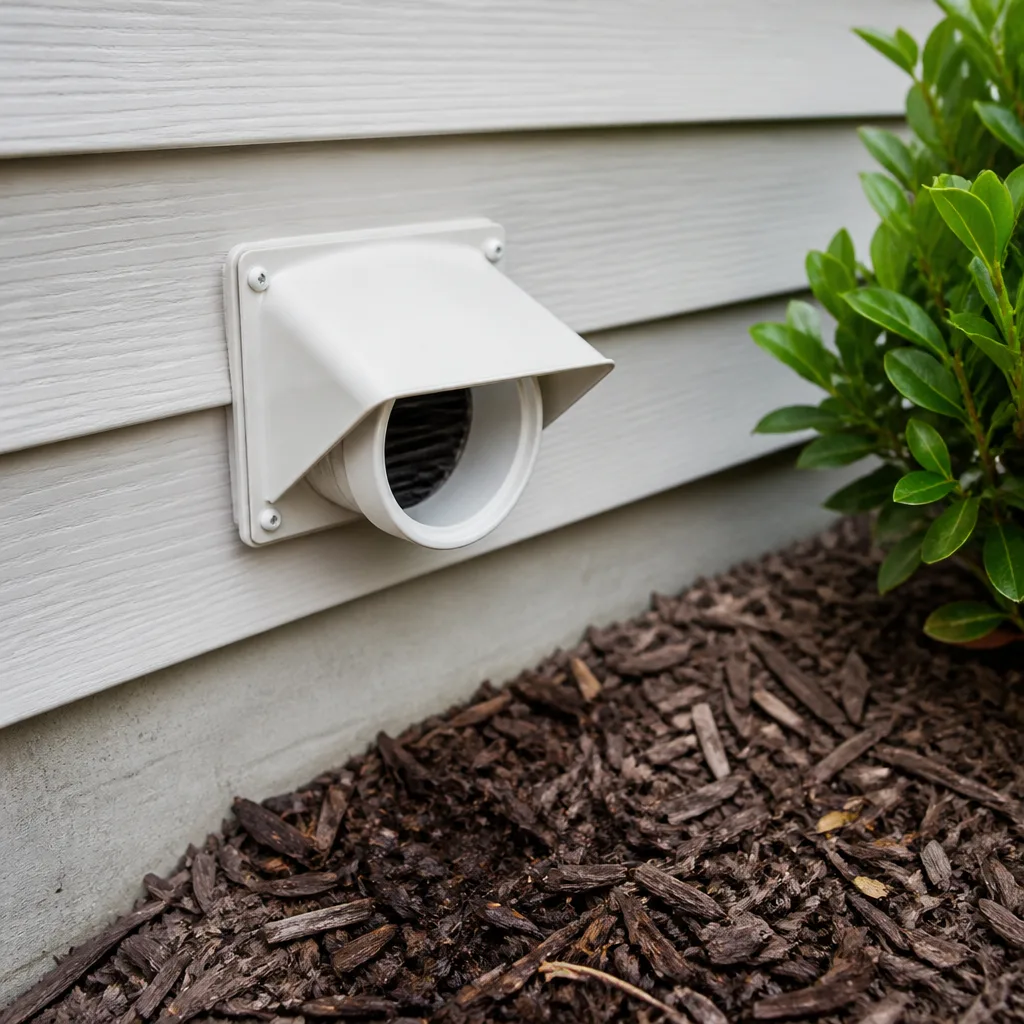 Dryer vent cleaning
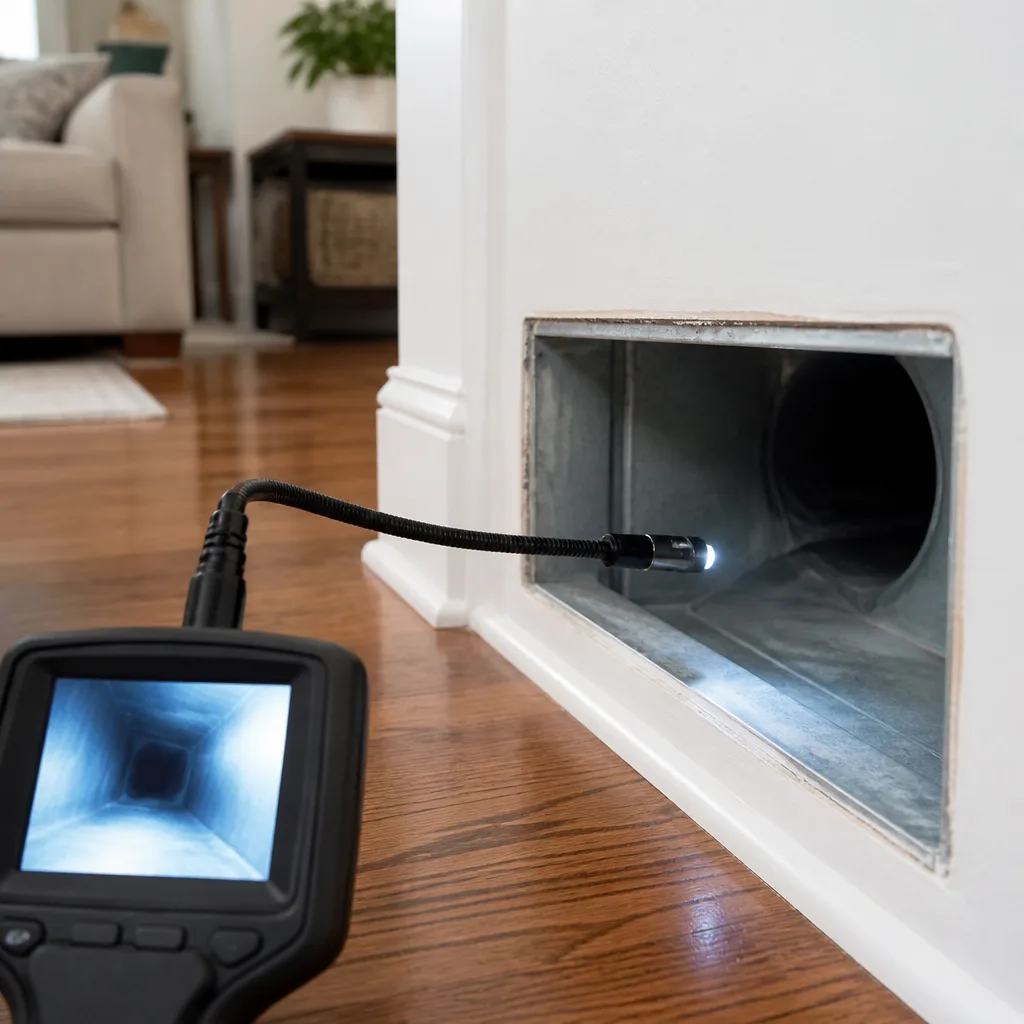 Camera inspection
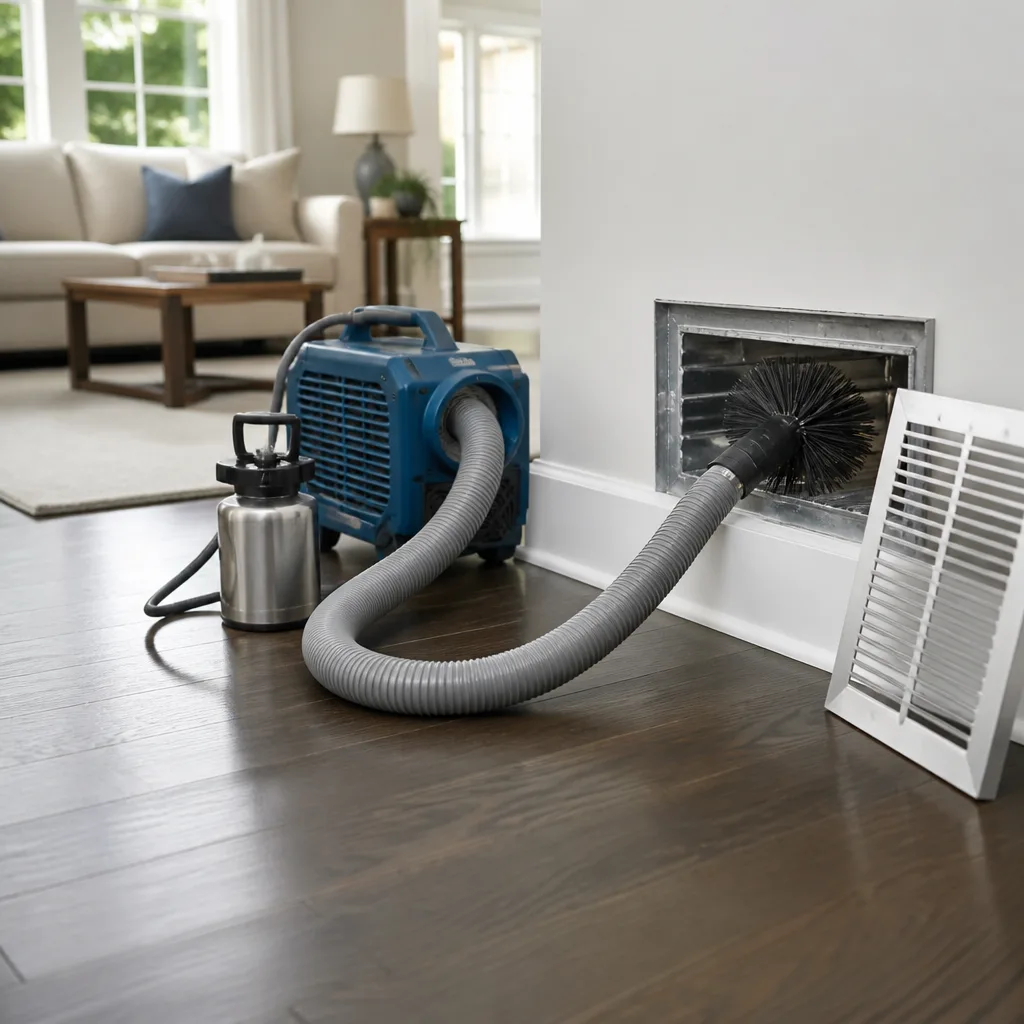 Sanitizing & deodorizing
Whole-system duct and dryer vent check with before-and-after photos - you see exactly what came out of your vents
That "$99 whole-house special" is a bait ad - the real number appears once they are in your hallway, or the "clean" is a shop-vac at the register. We photograph the inside of your ducts before and after instead.
How to Hire an Air Duct Cleaning Contractor in Heather Gardens: A Step-by-Step Guide
Most homeowners in Heather Gardens start their search the same way: they call three companies, compare three prices, and pick the middle one. That approach feels responsible, but it’s the single biggest hiring mistake we see. Colorado doesn’t require a universal license to clean air ducts, so the number on the quote tells you almost nothing about whether the person showing up knows how to diagnose a system, seal a leaking joint, or document what they removed. The real question isn’t “who’s cheapest” – it’s “who can answer a technical question without hesitating.” This guide walks you through the credentials that actually count, the five questions that separate specialists from vacuum-and-go crews, and how to verify the work once it’s done.
Quick Answer
To hire an air duct cleaning contractor in Heather Gardens, verify three credentials first: NADCA membership (the industry’s professional standard), EPA Section 608 certification if coil cleaning is on the scope, and a Colorado contractor registration you can look up. Then ask about equipment specifications, request a written scope of work with line items, and confirm the company offers repair and sealing, not just cleaning. A qualified contractor will answer all of it without flinching; a low-bid crew will change the subject to price.
Styles & brands we work with
- Whole-home duct cleaning
- Dryer vent cleaning
- Camera inspection
- Sanitizing & deodorizing
Table of Contents
- Why Vetting Matters More in Colorado Than Most Homeowners Realize
- Which Credentials Actually Count
- The Five Questions to Ask During a Phone Quote
- How to Evaluate a Written Scope of Work
- What to Watch for During the Job
- How to Verify the Work Without Specialized Equipment
- Why Clean Alone Isn’t Enough: Repair and Sealing
- Common Mistakes to Avoid
- When to Call a Professional
Why Vetting Matters More in Colorado Than Most Homeowners Realize
In states like Florida and California, duct cleaning falls under a broader licensing framework that gives homeowners a paper trail to check before anyone knocks on the door. Colorado doesn’t work that way. Duct cleaning here sits outside the state’s general contractor licensing requirements, which means almost anyone with a vacuum trailer can print a business card and call themselves a duct cleaning professional. The burden of vetting lands squarely on you, the homeowner, and most people don’t know what to ask.
Heather Gardens adds an interesting wrinkle. The community’s housing stock is largely mid-century construction, and many of the duct systems inside those homes have been modified, extended, or partially replaced over the decades. Original galvanized runs often connect to later flex duct additions, and those transitions are where leaks and contamination tend to concentrate. A crew that only vacuums the main trunk line and skips the branch runs is leaving the actual problem in place.
The Front Range climate makes this worse. Heather Gardens sits in a semi-arid zone where indoor humidity swings hard between summer and winter, and the dust that accumulates in ductwork over years of heating cycles is fine and persistent. Homes here run furnaces for a long stretch of the year, which means whatever sits in the ducts gets circulated repeatedly. That’s not a scare tactic; it’s just how forced-air systems work in this climate. It’s also why a proper negative-pressure cleaning with real equipment matters more than a quick pass with a shop vac.
None of this means every Heather Gardens home needs annual cleaning. It means the difference between a professional and a pretender shows up faster here, because the systems are older and the debris is real. Vetting isn’t paranoia. It’s matching the contractor to the actual condition of the ductwork.
Which Credentials Actually Count
Not every badge on a website means something. Here’s how to sort the ones that matter from the ones that don’t.
NADCA Membership
The National Air Duct Cleaners Association sets the industry’s professional standard, including the ACR (Assessment, Cleaning, and Restoration) standard that defines what a proper cleaning actually involves. A NADCA member has committed to a published code of ethics and a defined process. It’s not a government license, but it’s the closest thing the trade has to one, and it’s the first thing to look for.
EPA Section 608 Certification
This one matters only if coil cleaning is part of the job. Section 608 certification is a federal requirement for anyone who handles refrigerants, and cleaning an evaporator coil often means working near refrigerant lines. If a contractor tells you they’ll clean the coil but can’t produce Section 608 certification, they either don’t understand what the job entails or they’re planning to skip the coil entirely. Ask directly.
Colorado Contractor Registration
Colorado requires businesses operating in the state to hold a current trade name registration through the Secretary of State, and some municipalities layer additional local requirements on top. Ask for the company’s legal business name and look it up. It takes two minutes and it tells you whether you’re dealing with an established operator or a name that exists only on a flyer.
Equipment Credentials
A professional operation uses contractor-grade equipment. Rotobrush and Nikro systems are purpose-built for duct interiors, with rotating brush heads and HEPA filtration designed for the job. Abatement Technologies equipment signals remediation-level capability for contaminated or compromised systems. If a contractor can’t name their equipment, they probably don’t own anything worth naming.
The broader point: credentials are a filter, not a guarantee. But a company that holds NADCA membership, carries Section 608 certification, and runs real equipment has made an investment in doing the work correctly. A company with none of those has made a different kind of investment, usually in advertising.
The Five Questions to Ask During a Phone Quote
This is where the conversation separates the professionals from the pretenders. You don’t need to be an HVAC technician to ask these. You just need to listen carefully to how the person on the other end responds. A specialist answers in specifics. A low-bid crew answers in generalities and pivots back to price.
- “What static pressure does your negative air machine maintain?” A professional will tell you the machine’s rating and explain why negative pressure matters: it keeps debris from escaping into your living space during cleaning. A crew that pauses, repeats the question, or says “it’s a strong vacuum” doesn’t know their own equipment.
- “How do you create negative pressure, and do you seal the registers first?” The correct answer involves sealing supply and return registers before the vacuum engages, so the whole system is under controlled suction. A crew that doesn’t seal registers is going to dust your house while they work.
- “Will you show me before-and-after photos of my own ducts?” This is a documentation question disguised as a customer service question. Any professional operation takes photos as part of the process. A crew that says “we don’t usually do that” has no process.
- “What’s your access strategy, and where will you cut?” Cleaning a duct system requires access holes, usually in the plenum and main trunk. A professional will describe where the holes go, how large they’ll be, and how they’ll be sealed afterward. A crew that says “we’ll figure it out when we get there” is going to leave you with unsealed gaps.
- “Do you offer duct repair and sealing, or just cleaning?” This is the biggest filter of all. Cleaning removes what’s in the ducts. Sealing addresses why it got there and why it keeps coming back. A clean-only contractor will answer “just cleaning.” A full-system operator will explain how they find leaks and seal them.
Ask these five questions in order. If the person on the phone handles all five with confidence and specifics, you’re talking to a professional. If they stumble on two or three, thank them and move on. When you call Air Duct Cleaning Heather Gardens at (855) 337-1174, we answer 24/7 and we’re happy to walk through every one of them before you commit to anything.
How to Evaluate a Written Scope of Work
Before you sign anything, ask for a written scope of work. Not a quote with a single line item that says “air duct cleaning – $X.” A real scope. Here’s what should be in it.
- Itemized services. Each component listed separately: supply ducts, return ducts, registers, grilles, plenum, blower motor, and coil if included. If it’s all lumped into one line, you can’t tell what you’re paying for.
- Equipment named. A professional scope identifies the equipment being used. Rotobrush, Nikro, and Abatement Technologies all mean something specific. “Industry-standard equipment” means nothing.
- Access hole locations and count. How many holes, where they go, and how they’ll be sealed. This is a detail that separates a contractor who has done this a thousand times from one who hasn’t.
- Before-and-after photo documentation included. It should be in the scope, not offered as a favor when you ask.
- Sanitizing and treatment step, if applicable. If sanitizing is part of the job, the product should be named. Guardsman protective treatments are a distinct final step, not a generic “deodorizing.”
- Pricing stated per system, not per vent. Per-vent pricing is how the low-bid bait-and-switch works. A flat price per system agreed before work starts is how it shouldn’t.
Red flag language in a written scope
Watch for phrases like “complete system cleaning” with no itemization, “sanitization included” with no product named, or “as needed” next to any line item. These aren’t technical jargon; they’re hedges that let a contractor do less than you thought you were buying. If the scope uses “up to” anywhere near a price or a service description, ask what the actual number is.
A clear scope reads like a checklist, not a brochure. If you can’t tell from reading it exactly what will happen to your duct system, it’s not a scope. It’s marketing copy with a price attached.
What to Watch for During the Job
You don’t need to shadow the technician, but you should know what a proper job looks like so you can spot a bad one. Three things matter most.
Access hole placement
A professional crew cuts access holes at strategic points: the plenum, the main trunk, and occasionally at branch junctions depending on the layout. The holes are typically small, cut cleanly, and sealed with mastic or foil tape afterward. If you walk through after the job and find large, ragged openings that haven’t been sealed, the work wasn’t finished. In older Heather Gardens homes with modified ductwork, access planning takes more thought, not less, because the system isn’t laid out in the standard pattern a newer home would have.
Contact vacuuming technique
“Contact vacuuming” means the vacuum head physically contacts the duct interior, agitating and removing debris rather than just pulling air through. It requires access, a proper vacuum head, and time. A crew that runs a hose through the registers and calls it done isn’t contact vacuuming. Watch whether they’re spending time inside the system or just at the openings.
Register sealing during negative pressure
Before the negative air machine engages, all supply and return registers should be sealed. This is what keeps dust from blowing back into your rooms. If you notice registers sitting open while the machine is running, ask why. It’s a basic procedural step, and a crew that skips it is cutting corners on the thing that protects your home.
The final protective step
Cleaning removes debris. It doesn’t leave anything behind to resist future buildup. A full-system service includes a sanitizing application, and Guardsman-treated sanitizing adds a protective layer that most single-service competitors skip entirely. Ask whether the final step includes it. Clean ducts are only half the job.
Air Duct Cleaning Heather Gardens runs Rotobrush and Nikro systems on every job, uses Abatement Technologies equipment for elevated contamination scenarios, and seals registers before negative pressure engages as a standard step. It’s not a premium add-on; it’s how the work is supposed to be done.
How to Verify the Work Without Specialized Equipment
You don’t own a borescope or a static pressure gauge. You don’t need either to check whether the job was done. Here’s what to look at.
- Look inside a register or two with a flashlight. A clean duct interior is visibly free of dust buildup on the walls. If you see a thick coating on the sides of the duct, the cleaning was superficial or incomplete.
- Check that access holes are sealed. Every cut should be closed with mastic or tape. If you find an open hole, call the contractor back before you turn the system on.
- Run the system and check airflow at each register. Airflow should be even across registers on the same branch. Noticeably weaker flow at some registers suggests debris left in the branch runs or a leak elsewhere in the system.
- Look for dust settling on horizontal surfaces. In the hours after a cleaning, some dust is normal as the system settles. Heavy dust settling over the following days suggests registers weren’t sealed during negative pressure creation.
- Review the photo documentation. A professional job includes before-and-after photos of your actual ducts, not stock images. Compare the two sets. The difference should be obvious.
- Check the written report for line items. The report should match the scope of work you signed. If the scope said coil cleaning and the report doesn’t mention the coil, ask.
Documentation is the single most reliable verification tool you have. A contractor who documents the work is a contractor who expects to be checked. A contractor who doesn’t is telling you something.
Why Clean Alone Isn’t Enough: Repair and Sealing
Here’s the part of the conversation most contractors skip. Cleaning removes what’s in the ducts. It doesn’t fix why it’s there. A leaking duct joint pulls unconditioned air and dust into the system from crawlspaces, attics, and wall cavities, and it stays leaking long after the cleaning is done. Within a season or two, the ducts are contaminated again, and you’re back to square one.
Duct repair and sealing addresses the root cause. It means finding the leaks, sealing the joints, and reconnecting any branches that have separated. In a Heather Gardens home with mid-century ductwork that’s been modified over the years, this step is often more important than the cleaning itself. A system with a dozen small leaks isn’t just losing air; it’s pulling in unfiltered air from spaces that were never meant to feed your living room.
A full-system approach examines the ductwork, identifies the leaks and damage, cleans what’s contaminated, seals what’s compromised, and treats what’s left to resist future buildup. That’s the arc from diagnosis to finish. Clean ducts get you to the starting line; sealed and sanitized ducts are the finish line. When you’re vetting a contractor, ask specifically whether they offer repair and sealing. A clean-only operation will say no, and now you know why that answer matters.
Air Duct Cleaning Heather Gardens provides five core services: air duct cleaning, dryer vent cleaning, HVAC cleaning, Duct Repair & Sealing, and Air Quality & Sanitizing. One provider covers the full arc, which means the person who cleans your ducts is also the person who can find and fix what’s letting them get dirty again.
See the difference
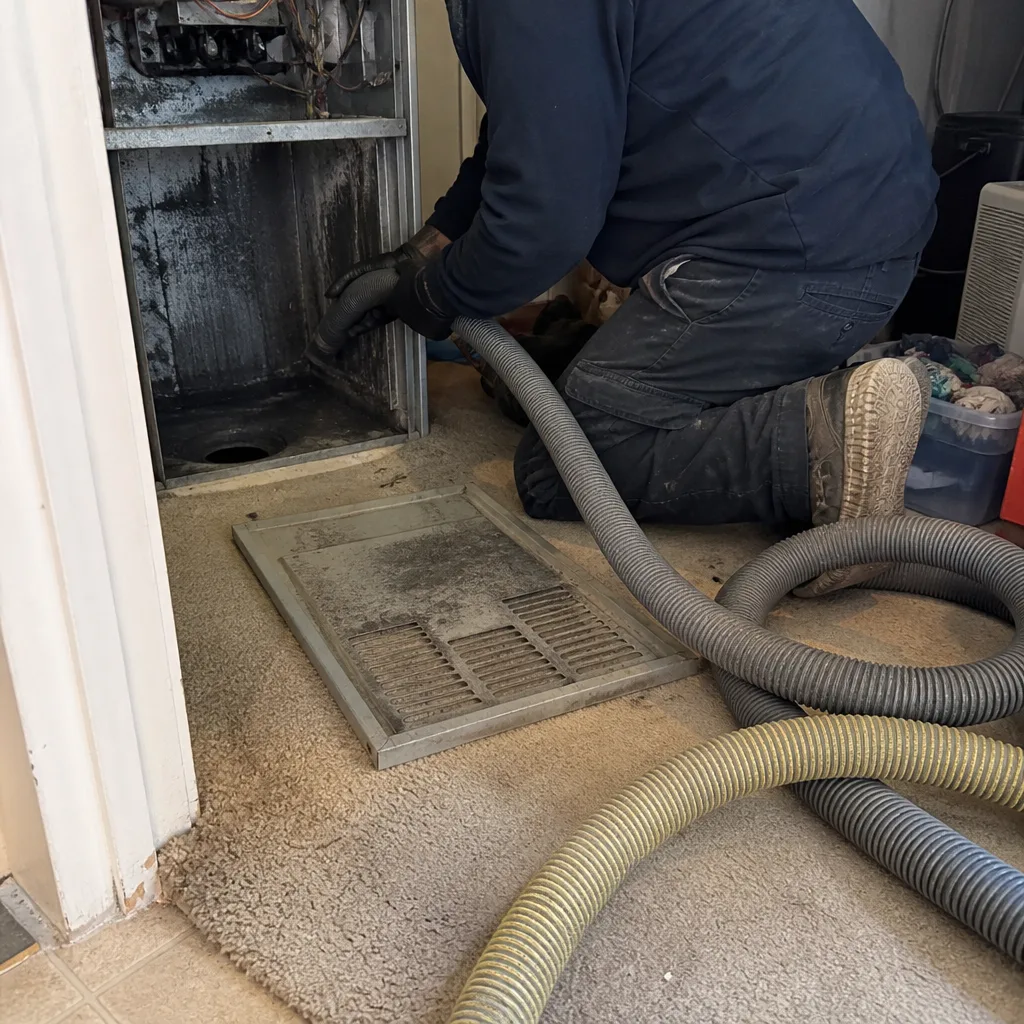 Before
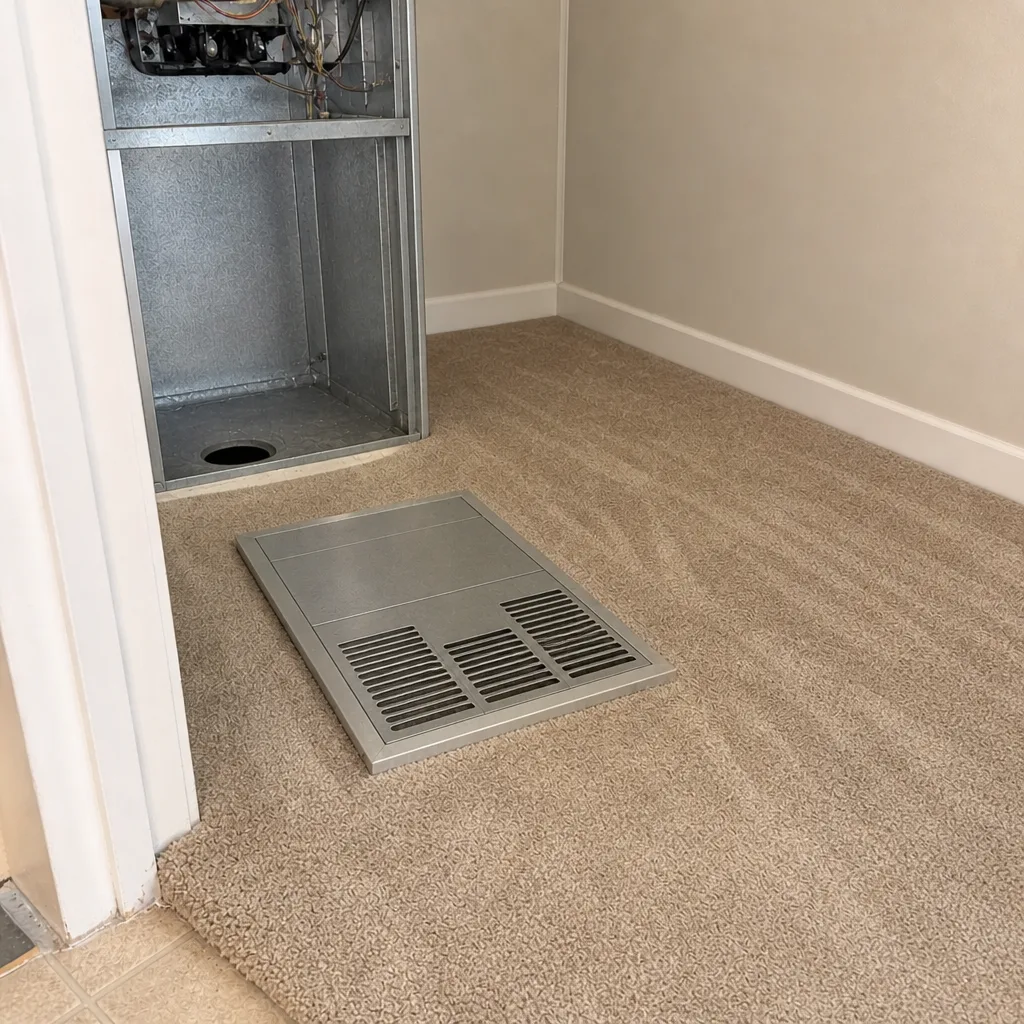 After
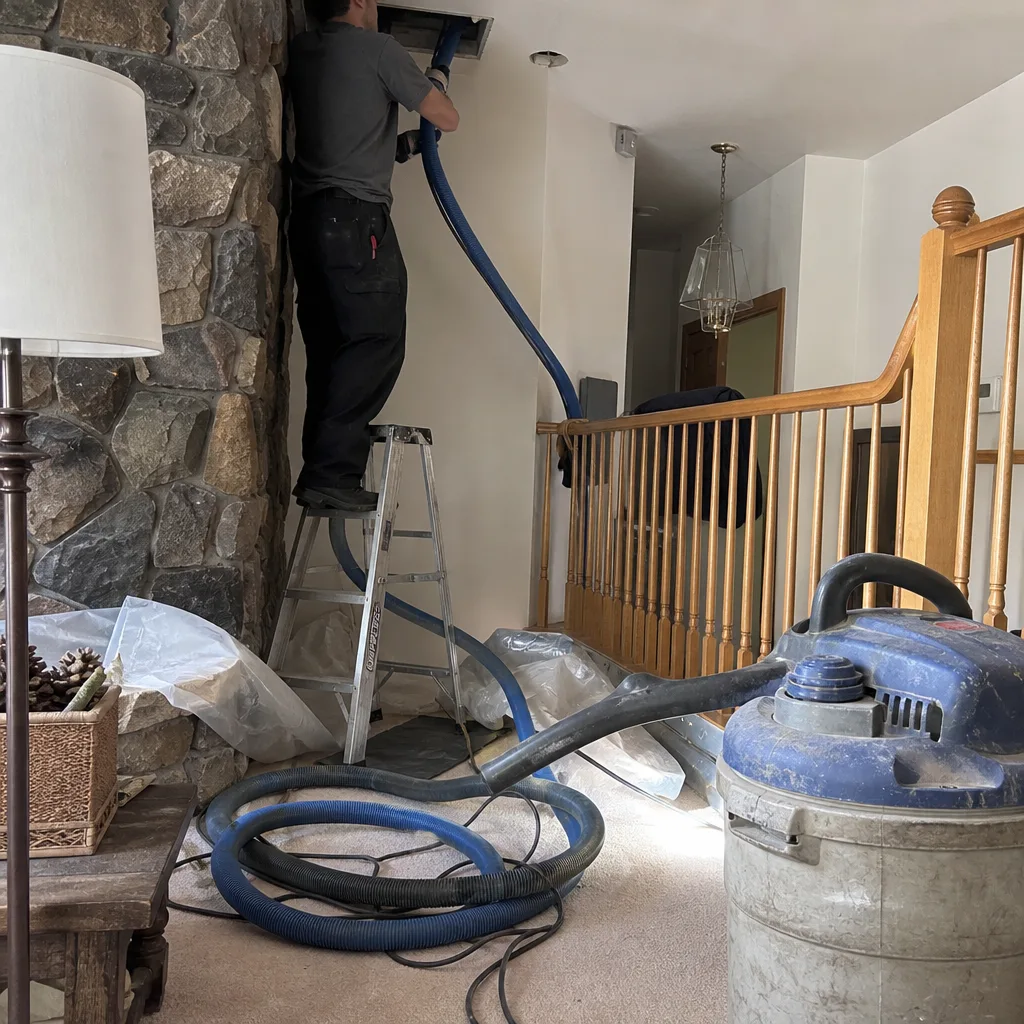 Before
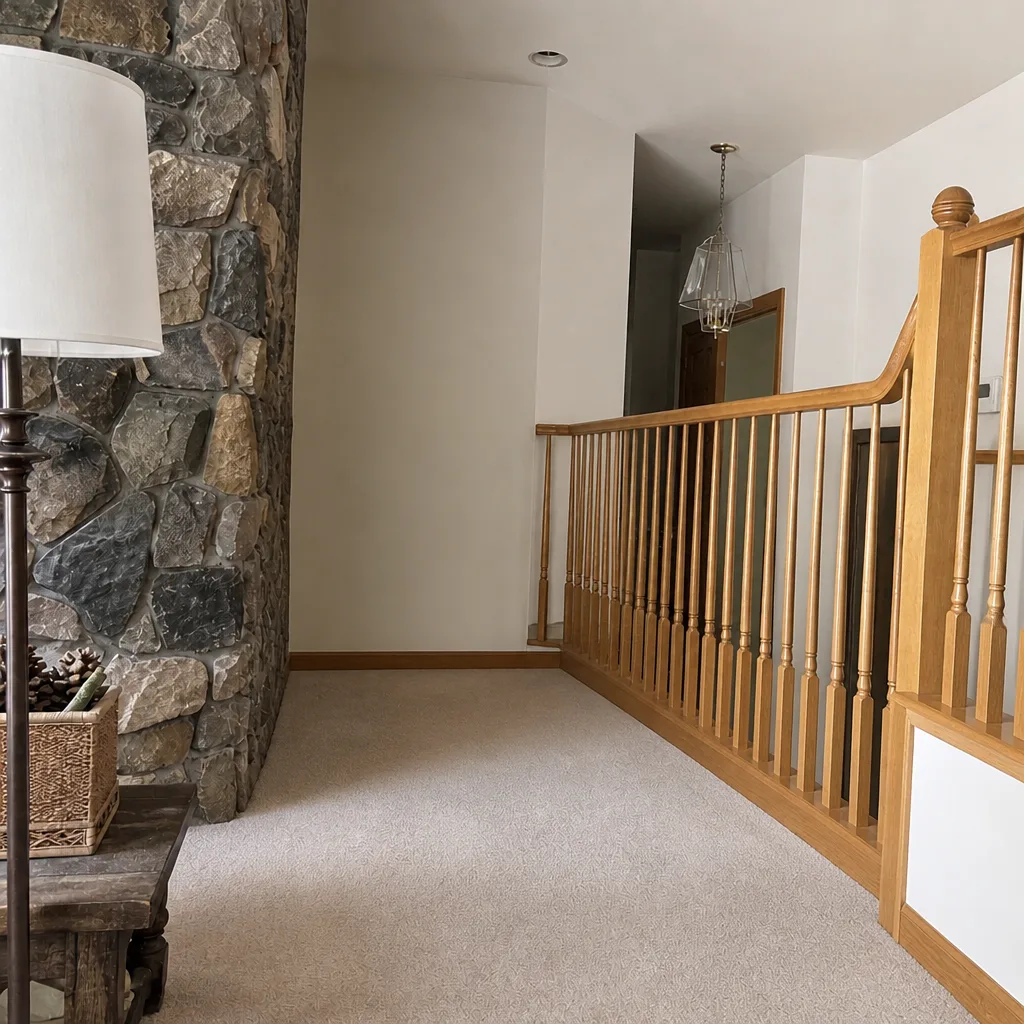 After
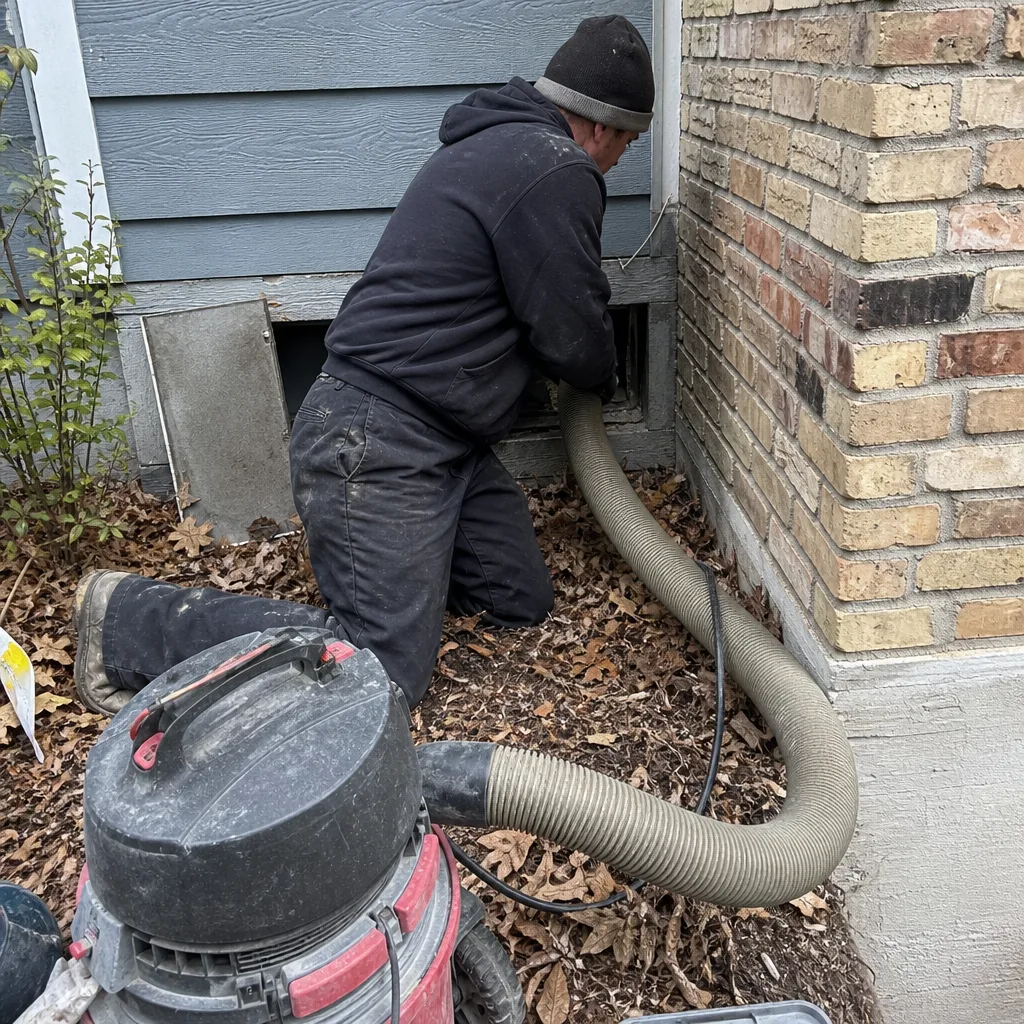 Before
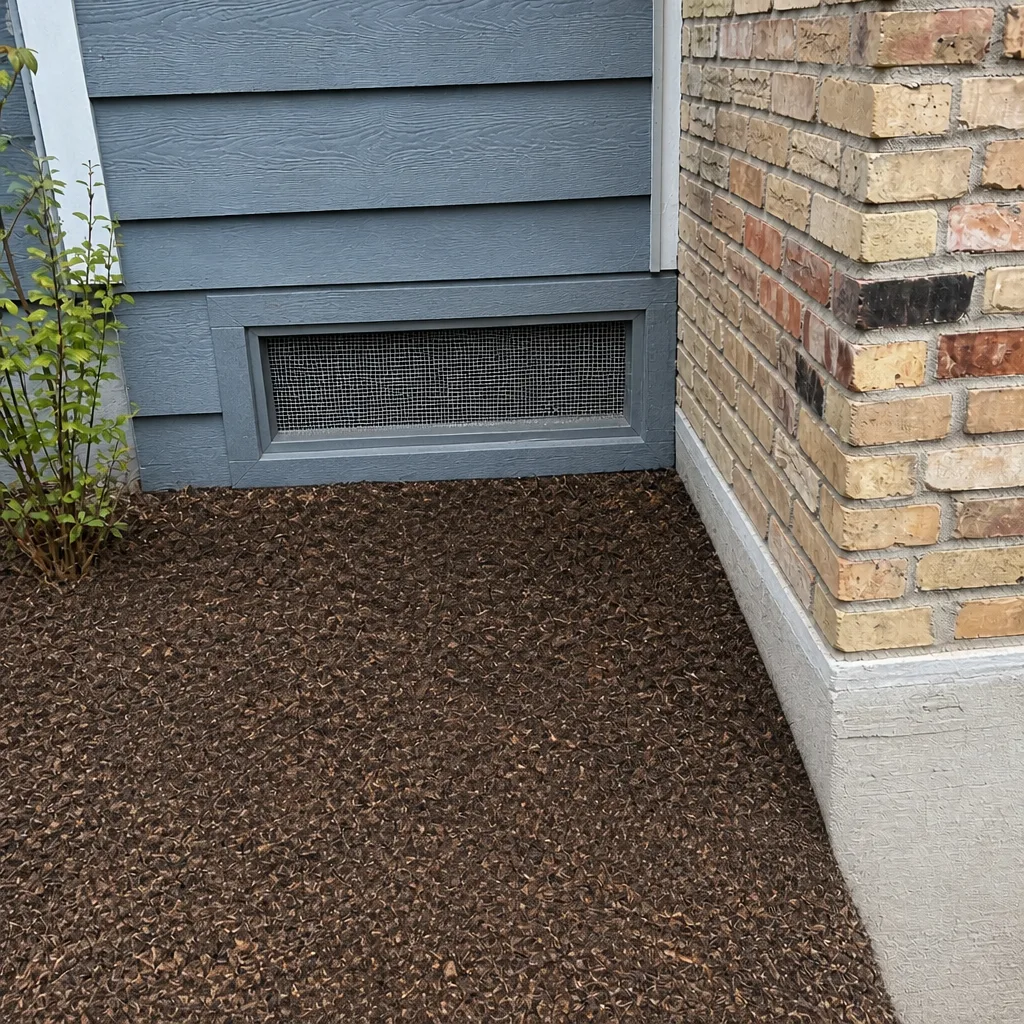 After
Common Mistakes to Avoid
- Choosing on price alone. The lowest quote is often the least complete one. A low number can mean the crew will skip branch runs, skip register sealing, or skip access holes entirely. Price should be the last filter, not the first.
- Not asking about equipment. A contractor who can’t name their negative air machine or their brush system will likely deliver a superficial clean. Name brands like Rotobrush and Nikro are meaningful because they’re purpose-built for this work.
- Accepting a per-vent price. Per-vent pricing invites the bait-and-switch: a low number quoted by the vent, then a much larger invoice once the technician is on site. Ask for a flat price per system, agreed in writing before work starts.
- Skipping the written scope. A verbal quote is a feeling, not a contract. Without line items, you have no way to compare what you’re buying across three contractors, and no way to verify afterward what was done.
- Overlooking the repair and sealing step. Cleaning without sealing leaves the root cause in place. In Heather Gardens homes with decades-old modified ductwork, that means the problem returns quickly.
- Not checking business registration. Colorado’s registration lookup takes two minutes. A contractor who can’t produce a legal business name or a registration to check is a risk you don’t need to take.
- Ignoring documentation. Before-and-after photos of your own ducts and a written completion report are the only real proof the work was done. Any contractor who treats those as optional isn’t documenting their work, which means they aren’t verifying it either.
When to Call a Professional
Not every home needs duct cleaning on a schedule. But there are specific situations where it’s worth a professional look. If anyone in the household has noticed allergy flare-ups that don’t go away with filters and cleaning, if there’s a musty odor coming from a register when the system runs, if airflow is noticeably uneven between rooms, or if the ducts haven’t been serviced in years, it’s time to call.
The same goes for visible problems: a register blowing dust, a duct joint that’s come loose and is leaking, or a dryer vent that’s taking far longer to dry a load than it used to. Those are signs the system needs attention, and a professional can diagnose what’s happening before it becomes a bigger repair.
Our technicians have up to 10 years of experience diagnosing full duct systems, not just cleaning them. Air Duct Cleaning Heather Gardens offers free estimates in Heather Gardens – call (855) 337-1174. We answer 24/7. Fast dispatch from 7am to 7pm, Sunday through Friday.
Frequently Asked Questions
Cost varies by system size, number of branch runs, and the condition of the ductwork, so an exact number requires an on-site estimate. A flat price per system, agreed before work starts, is the only quote you should accept. We don’t quote per vent, and we don’t use a teaser price that grows once a technician is on site. Call (855) 337-1174 for an exact quote – estimates are free.
Colorado doesn’t require a universal license for air duct cleaning, so certification is voluntary. That makes NADCA membership, EPA Section 608 certification (if coil cleaning is included), and Colorado business registration the credentials that actually matter. Ask for all three before booking.
Cheap quotes are cheap because something is left out: branch runs, register sealing, access holes, sanitizing, or documentation. A low number often turns into a larger invoice once the crew is on site. Ask what’s included in writing, and compare line items instead of totals.
Ask for before-and-after photos of your own ducts and a written completion report that matches the scope of work you signed. A flashlight check inside a register or two after the job will show you whether the duct walls are actually clean. Documentation is the strongest proof, and a professional operation treats it as standard.
There’s no universal schedule, and anyone selling an annual plan without an inspection is guessing. Most homes go several years between cleanings. Homes in older Heather Gardens buildings with modified ductwork may need it sooner if airflow problems or odors appear. An inspection will tell you more than a schedule will.
Ask for itemized services, named equipment, access hole locations, photo documentation, and a flat price per system. Vague language like “complete system cleaning” with no line items is a red flag. If you can’t tell exactly what’s happening to your ducts from reading the scope, it isn’t detailed enough. Call (855) 337-1174 for an exact quote – estimates are free.
The Bottom Line
Hiring a duct cleaning contractor in Heather Gardens comes down to three filters: credentials, questions, and documentation. Check NADCA membership, EPA Section 608 if coil work is involved, and Colorado registration. Ask the five technical questions during the phone quote and listen for specifics. Request a written scope of work with line items, a flat price per system, and a documentation requirement. Then verify with a flashlight and a photo comparison. A contractor who clears all three filters is worth the investment; one who fails any of them isn’t worth the low number. For a different angle on ventilation systems, a look at dryer vent cleaning shows how the same diagnosis-first approach applies outside the duct system itself.
If you’re ready to talk through your system with a team that uses professional-grade Rotobrush and Nikro equipment, offers repair and sealing alongside cleaning, and provides before-and-after photos as standard, call Air Duct Cleaning Heather Gardens at (855) 337-1174 for a free estimate. We answer 24/7. Fast dispatch from 7am to 7pm, Sunday through Friday. Better air starts where your airflow starts, and it starts with knowing who’s doing the work.
Written by the team at Air Duct Cleaning Heather Gardens.