
Last updated November 25, 2026
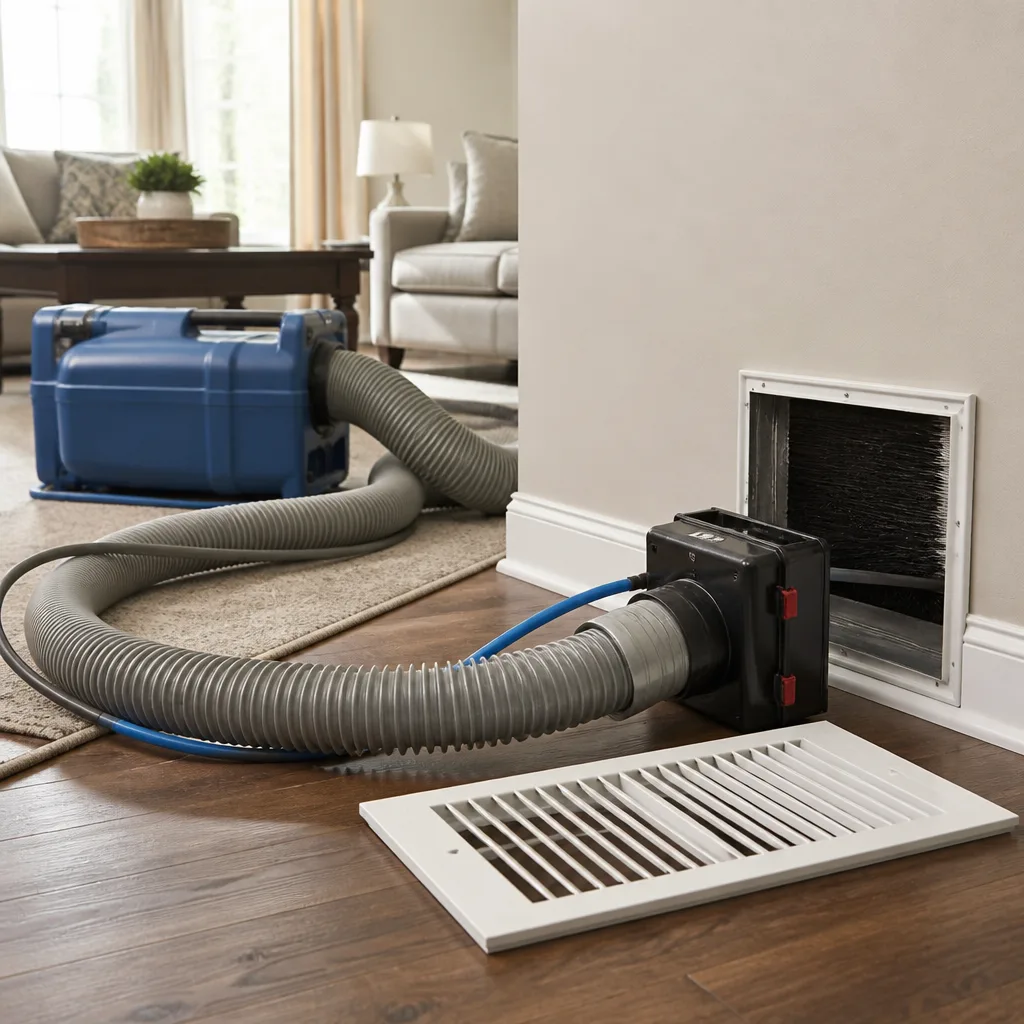 Whole-home duct cleaning
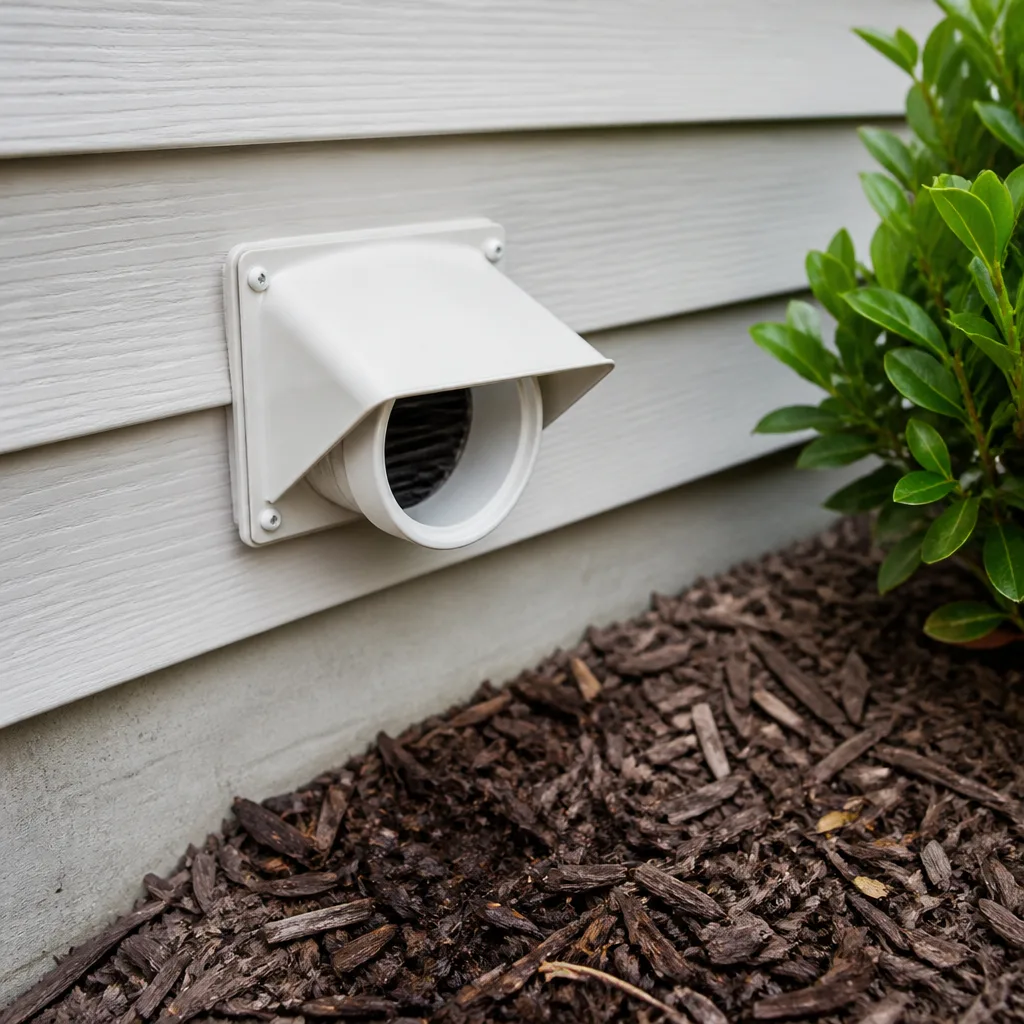 Dryer vent cleaning
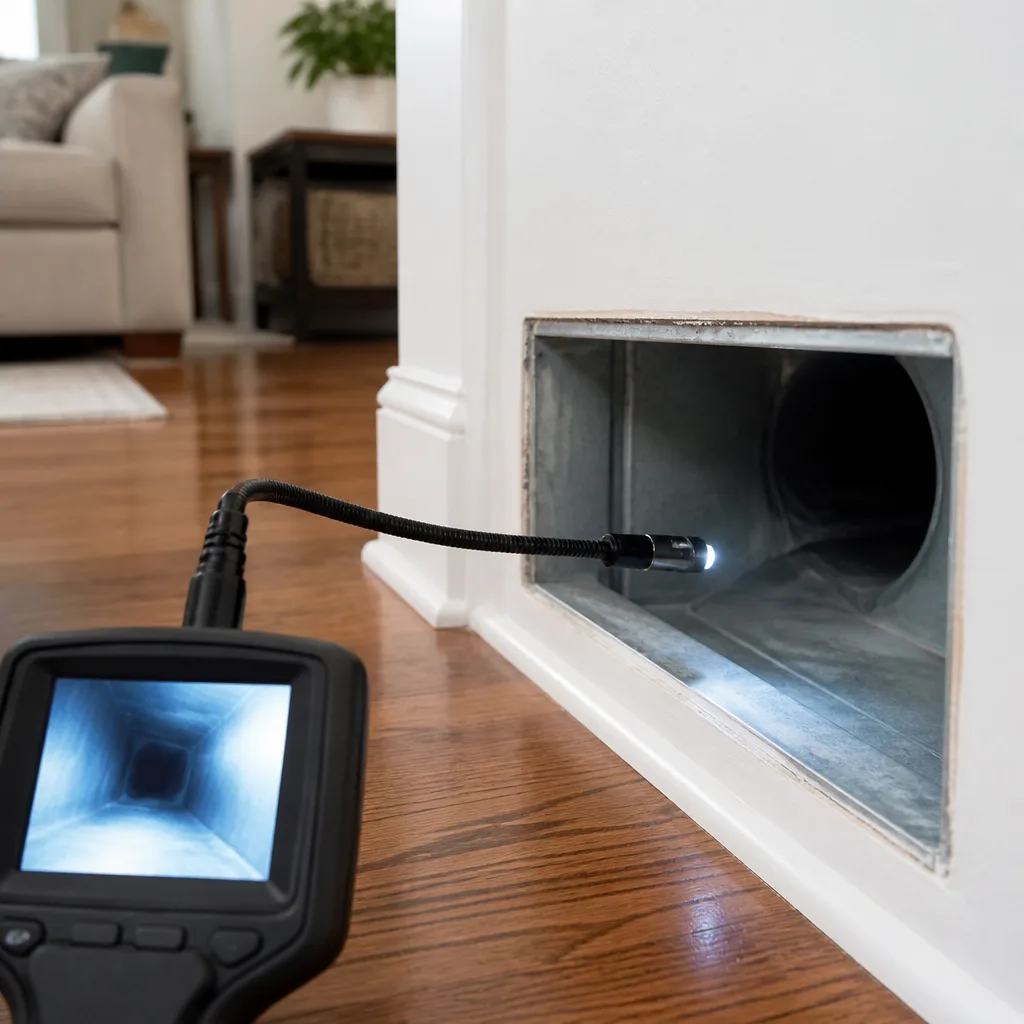 Camera inspection
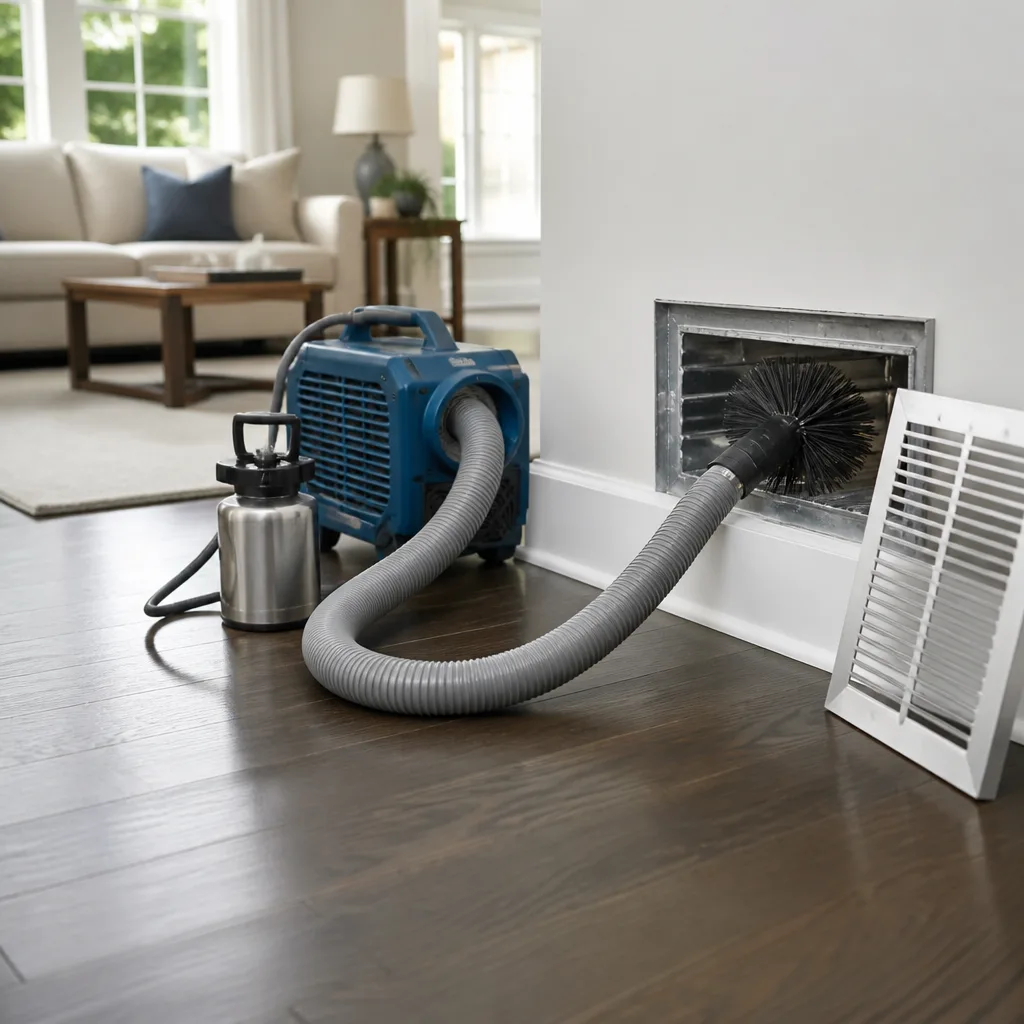 Sanitizing & deodorizing
Whole-system duct and dryer vent check with before-and-after photos - you see exactly what came out of your vents
That "$99 whole-house special" is a bait ad - the real number appears once they are in your hallway, or the "clean" is a shop-vac at the register. We photograph the inside of your ducts before and after instead.
Air Duct Cleaning Troubleshooting in Heather Gardens: Common Problems and How to Fix Them
If your upstairs rooms run warmer than your downstairs, that’s rarely a thermostat problem. It’s almost always a duct problem, and cleaning may only be step two of the fix. We hear the same handful of complaints from Heather Gardens homeowners: uneven airflow between floors, a musty smell that shows up when the heat kicks on, dust settling hours after you wiped the shelves, and allergy symptoms that get worse indoors than out. Each of those symptoms points to a different root cause, and guessing wrong wastes money. This guide walks through the symptom-to-cause logic a technician uses, so you stop guessing and start solving.
Quick Answer
Most duct problems in Heather Gardens come down to one of four causes: accumulated contamination, air leakage at joints and connections, a poorly sealed or mismatched system, or a filter and airflow issue. Cleaning fixes contamination. Sealing fixes leakage. Diagnosis tells you which one you actually have, which is why the first step is always the system check, not the vacuum. If your symptoms persist after cleaning, the problem was never just dirt.
Styles & brands we work with
- Whole-home duct cleaning
- Dryer vent cleaning
- Camera inspection
- Sanitizing & deodorizing
Table of Contents
- The Symptom-to-Cause Diagnostic Tree
- Dirty Ducts vs. Leaking Ducts: How to Tell the Difference
- What Heather Gardens’ Altitude and Dry Climate Do to Duct Joints
- Safe DIY Checks Before You Call Anyone
- Standard Cleaning vs. Remediation-Grade Work
- Why Repair and Sealing Belong in the Same Visit
- When Sanitizing Is Worth It and When It Isn’t
- What the Work Typically Involves and How Pricing Works
The Symptom-to-Cause Diagnostic Tree
Every complaint has a signature. When you match the symptom to the mechanism, you narrow the fix before anyone climbs into the attic. Here’s how we sort the four most common Heather Gardens complaints, and what each one usually points to.
Uneven airflow between floors or rooms
Hot upstairs, cold downstairs, or a bedroom that never gets enough air, usually means a balance problem. The cause is typically a long or crushed run, a disconnected joint, a damper stuck closed, or a return with too little capacity for the supply it feeds. Dirty ductwork can worsen it, but debris alone rarely explains a hard split between floors.
Persistent odors, especially at startup
Musty air that arrives the moment the system starts points to contamination somewhere in the airstream: moisture in the plenum, biological growth on a wet coil, or debris in a section of duct that stays damp. Odor is a diagnostic clue, not a cleaning sales pitch. It tells us where to look first.
Visible debris at the registers
Dust streaming out of a supply register, or a dark ring around the grill, is direct evidence the airways are holding material. This is the clearest candidate for a full cleaning, and the case where a documented before-and-after is most meaningful.
Allergy spikes that track with the system
When symptoms rise indoors and settle outdoors, the system is likely recirculating something it shouldn’t: fine debris, mold spores, or particles kicked loose from the air handler. Here cleaning, a filter review, and sanitizing applied the right way can all matter, but only after we confirm the source.
A single symptom rarely tells the whole story. Two or three together usually do. That’s why the diagnostic walk-through matters more than the sales pitch.
Dirty Ducts vs. Leaking Ducts: How to Tell the Difference
This is the distinction that separates a real fix from a wasted visit. Cleaning a leaking duct accomplishes almost nothing, because the moment the system runs again, the leak pulls new unfiltered air from an attic, crawlspace, or wall cavity and re-contaminates everything you just cleaned. We see this all the time in Heather Gardens: a homeowner books cleaning, the ducts sparkle for a week, then the dust returns.
Here’s how the two problems differ in practice:
- Dirty ducts hold debris inside the airstream and produce dust at the registers, odors, and visible buildup. Cleaning removes what’s there.
- Leaking ducts lose conditioned air into unconditioned space and pull unfiltered air in. The symptom is often a high energy bill with weak delivery at the far registers, or a room that stays dusty no matter what.
- Dirty plus leaking is the most common real-world case. Cleaning removes the contamination; sealing stops the source.
How we tell them apart: the system is inspected for disconnected sections, crushed flex runs, gaps at the plenum and boots, and visible daylight where the duct meets the framing. A well-sealed duct holds pressure and delivers airflow. A leaking one doesn’t, no matter how clean it is. In our experience, about half of the jobs that start as “cleaning only” turn out to need at least a few joints sealed to hold the result. That’s why we carry an air duct cleaning service alongside repair and sealing on the same visit. Cleaning without diagnosis is half the job. Sealing is the finish line.
What Heather Gardens’ Altitude and Dry Climate Do to Duct Joints
Heather Gardens sits at roughly 5,500 feet in the dry high plains east of the Front Range, and that elevation and dryness shape how duct systems age. The local air is thin and mostly dry, and seasonal temperature swings are wide, with hot summers and cold winters that expand and contract duct materials and sealants year after year.
The result is predictable:
- Duct tape dries out and fails. The adhesive on standard foil tape cracks in dry heat, and joints that held air last season begin to leak.
- Mastic sealant gets brittle. Applied sealant on older systems can crack at the plenum and boots, opening small gaps that mimic contamination symptoms.
- Flex duct sags and collapses at low points, cutting airflow to the rooms furthest from the air handler.
- Return-side leaks pull attic dust and insulation fibers into the airstream, which reads to a homeowner as “the ducts are dirty.”
This is the mechanism most homeowners never hear about. A joint that worked fine ten years ago can be a real leak today, and cleaning alone won’t fix it. At Heather Gardens’ elevation and humidity level, joints and sealant simply age faster than in a damp, sea-level climate. When we open up a system here, the question isn’t whether some joints have failed; it’s how many. A careful inspection finds the gaps, and Duct Repair & Sealing closes them, which is the only way a cleaning result actually lasts through a Heather Gardens summer.
Safe DIY Checks Before You Call Anyone
You don’t need to open a duct to run a solid diagnostic. These are the checks a technician makes first, and you can do most of them safely with nothing more than a flashlight. They won’t fix the problem, but they’ll tell you what kind of fix you’re dealing with.
- Inspect the supply registers. Remove a grill with a screwdriver and shine a light inside. Visible debris along the walls of the duct points to cleaning. Clean and shiny tells you the problem is elsewhere.
- Check the return grills and filter. A clogged, collapsed, or mismatched filter starves the system and looks a lot like dirty ducts. This is the single most common false alarm we find in Heather Gardens.
- Feel the airflow at each register. Compare the closest vent to the air handler with the furthest. Weak far-register airflow suggests a restriction: a closed damper, crushed run, or disconnection.
- Look for dust streaks around the boot. A dark ring where the register meets the floor or wall is a clue that the joint has opened and air is escaping.
- Listen at the air handler. A whistle or a whoosh at the return suggests pressure imbalance. That’s a static pressure clue: the system is fighting itself.
What you should not do: never disconnect, cut, or try to re-seal ductwork at the air handler. That area is tied to electrical components and often sits near a gas line. A connection you accidentally open there is a genuine safety and efficiency problem, which is a good reason to leave that part to a trained technician. If you smell gas, stop and call your gas utility immediately; don’t troubleshoot it yourself.
The theme here is diagnose, not guess. A flashlight and an hour of your time will tell you a lot, and it will make the estimate conversation faster and more honest.
Standard Cleaning vs. Remediation-Grade Work: When You Need the Heavier Equipment
This is the distinction most duct-cleaning companies never explain, and it matters. Standard cleaning uses contractor-grade vacuum and agitation to remove routine buildup. Remediation-grade work is a different category, intended for situations where the ductwork itself is contaminated, compromised, or wet. The two require different equipment, and conflating them either overprices a clean job or under-fixes a serious one.
When standard cleaning is enough
- The system hasn’t been serviced in years and holds routine dust and debris.
- Registers show normal buildup, not heavy contamination or staining.
- No moldy smell and no known moisture event in the system.
- A recent remodel sent construction dust through the airstream.
When you need remediation-grade capability
- Visible mold or water damage in the airstream, or a musty odor that persists after cleaning.
- Rodent or pest evidence inside the ducts.
- Ductwork that has been disconnected or runs through a contaminated crawlspace.
- An HVAC system where a wet coil or drain pan has spread biological growth through the plenum.
For the routine cases, we use Rotobrush and Nikro systems: contractor-grade rotary brush-and-vacuum equipment that agitates the duct walls and evacuates the debris to a sealed collection unit, not a shop-vac shortcut that just stirs the dust. For the harder cases, we bring in Abatement Technologies equipment designed for elevated contamination and compromised systems. The right tool depends on the diagnosis, not the sales pitch. If a company owns only one tool, they’ll recommend it for every job. And one more thing: a cleaning cannot fix a duct that is losing air through a gap. That’s why repair and sealing are part of the same service, and why we treat cleaning and sealing as a single repair, not two unrelated products.
Why Repair and Sealing Belong in the Same Visit
If cleaning removes what’s inside the duct and sealing closes the gaps that let contamination back in, the two services are logically inseparable. Doing one without the other is like washing a car and then driving it through a dust storm. We’ve seen many Heather Gardens homes where a cleaning was done, the ducts looked clean for a week, and the same symptoms returned because a return-side gap was still pulling attic air into the system.
What Duct Repair & Sealing involves:
- Locate the leaks. Inspect the plenum, trunk, branch connections, and boots, and identify disconnected or crushed sections.
- Seal the joints. Failed tape is removed and the joint is sealed with duct mastic rated for the temperature and humidity range. Flex connections are re-fitted where the collar has come loose.
- Repair or replace damaged sections. Crushed or disconnected flex runs are re-routed or replaced so the airflow reaches the room it was designed for.
- Verify the result. Airflow at the far registers is checked after sealing to confirm the system is delivering what it should.
The payoff is threefold: contamination can’t re-enter through the leak, conditioned air stops being lost into the attic or crawlspace, and the rooms furthest from the air handler finally get the airflow they were designed for. In our experience, if the airflow was uneven before the cleaning, it usually stays uneven after if the leaks aren’t addressed. Cleaning plus sealing plus a documented before-and-after is the version of this job that actually holds up. It’s also why we do full HVAC cleaning in the same pass: the air handler, coil, and plenum are all part of the same air path, so cleaning just the ducts leaves contamination sitting right next to the clean part of the system.
When Sanitizing Is Worth It and When It Isn’t
Sanitizing is the step most single-service competitors skip, and for good reason: it adds time and equipment, and it does nothing if the ductwork behind it is still contaminated. Sanitizing is a final protective layer, not a substitute for cleaning. The order matters.
We apply Guardsman protective treatments as part of our Air Quality & Sanitizing service after the ducts have been cleaned and any leaks have been sealed. The treatment is applied to the interior surfaces of the ductwork to leave a protective layer behind. It’s most worthwhile when:
- There’s been a known moisture event or an odor that tracks with the system.
- People in the home have environmental sensitivities and want a clean baseline.
- The home is being prepared for new occupants.
It’s less worthwhile when the ducts are already clean, sealed, and dry with no odor. In that case the cleaning was the whole job, and adding sanitizing is an upsell. We’d rather tell you it isn’t needed than pad the invoice. Alongside the treatment, we can supply and install Honeywell and Aprilaire air quality equipment, so the solution can extend beyond the duct instead of stopping at the register. Better air starts where the airflow starts, and it’s built from cleaning, sealing, and the right components in that order.
What the Work Typically Involves and How Pricing Works
We don’t quote a coupon price and we don’t price per vent. Per-vent pricing rewards speed over thoroughness, and that’s exactly what drives the bait-and-switch reputation this industry carries. Instead, we price the whole system. A technician inspects the system, identifies what’s actually wrong, and agrees one flat price with you before any work starts. The written estimate sets the final price.
What the estimate reflects:
- The size and complexity of your duct system, not a per-vent count.
- Whether the work is standard cleaning, remediation-grade cleaning, or both.
- Whether repair and sealing are needed, and how many joints or runs are affected.
- Whether sanitizing is part of the scope.
What you should demand from any contractor:
- One flat price for the system, agreed before work starts.
- Before-and-after photos of your own ducts, so you can see the work that was done.
- A clear, written description of the scope in the estimate.
- A satisfaction guarantee stated in writing.
Every company doing this work should be properly licensed where required by their state, and we expect the local pro to be licensed and insured as the state requires. Our technicians have up to 10 years of experience, and we work to a written scope and a documented result, not a teaser price. If a contractor quotes you a low number over the phone without inspecting the system, that quote is not a real estimate. It’s a starting point for a bigger invoice once they’re inside your home.
Common Mistakes to Avoid
- Cleaning without diagnosing. Many Heather Gardens homeowners book cleaning before anyone checks for leaks. The cleaning looks great for a week and the symptoms come right back. Diagnose the full system first, then clean the parts that actually need it.
- Accepting a per-vent price. A per-vent price rewards a technician for moving fast and skipping the harder runs. Ask for one flat price per system with a documented scope, not a number tied to vent count.
- Using standard foil tape as a long-term seal. In Heather Gardens’ dry heat, that tape fails fast. Sealing with mastic rated for the climate is what holds up.
- Running a shop-vac through a register yourself. Consumer vacuums stir the dust and spread it back into the air. Contractor-grade collection is a different category of tool entirely.
- Skipping the filter and return. A mismatched or clogged filter starves the system and mimics duct problems. Check it before you book a cleaning.
- Choosing the cheapest quote. A low quote that becomes a large invoice on site is the industry’s bait-and-switch pattern. Ask for the flat price and the photos before you commit.
- Ignoring airflow hints that “only” show up in summer. When the system is working hardest is when leaks and restrictions show. Notice which rooms are hot and which are cold and tell the technician.
See the difference
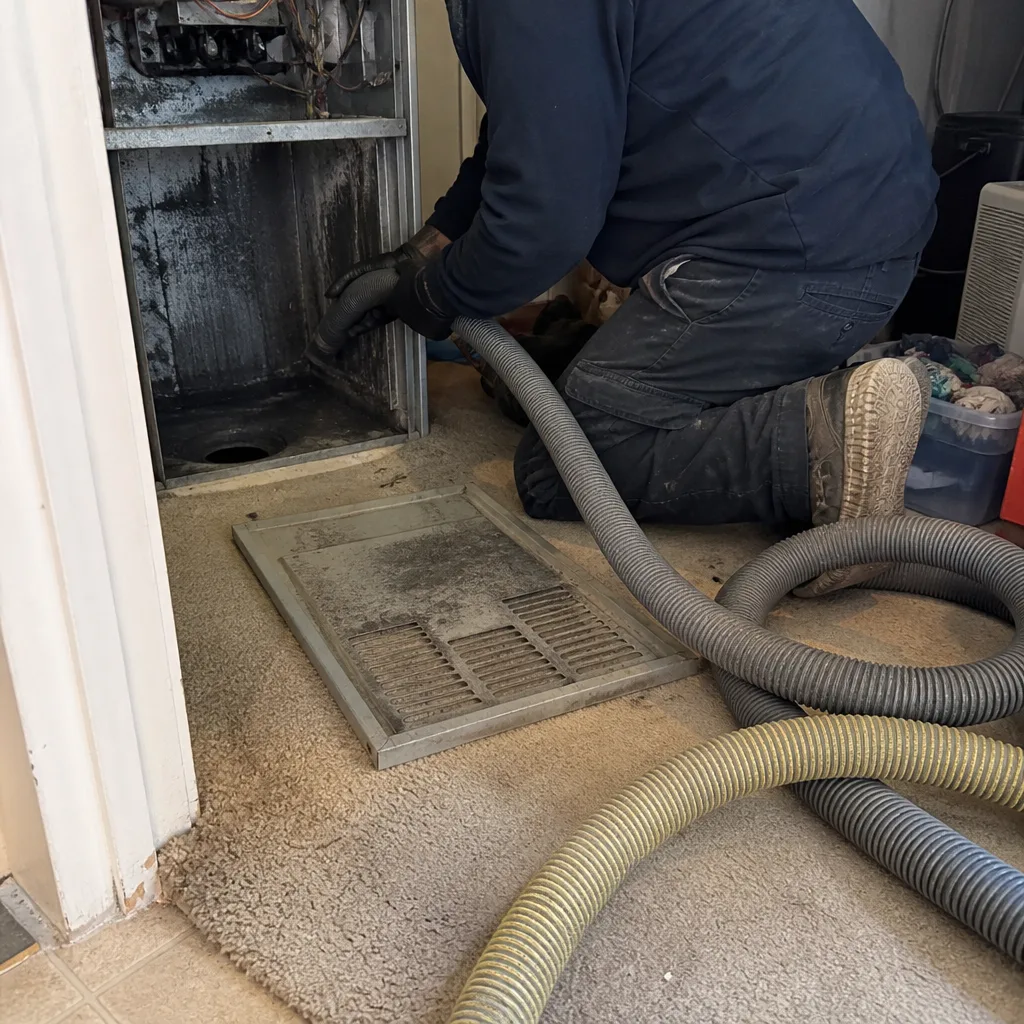 Before
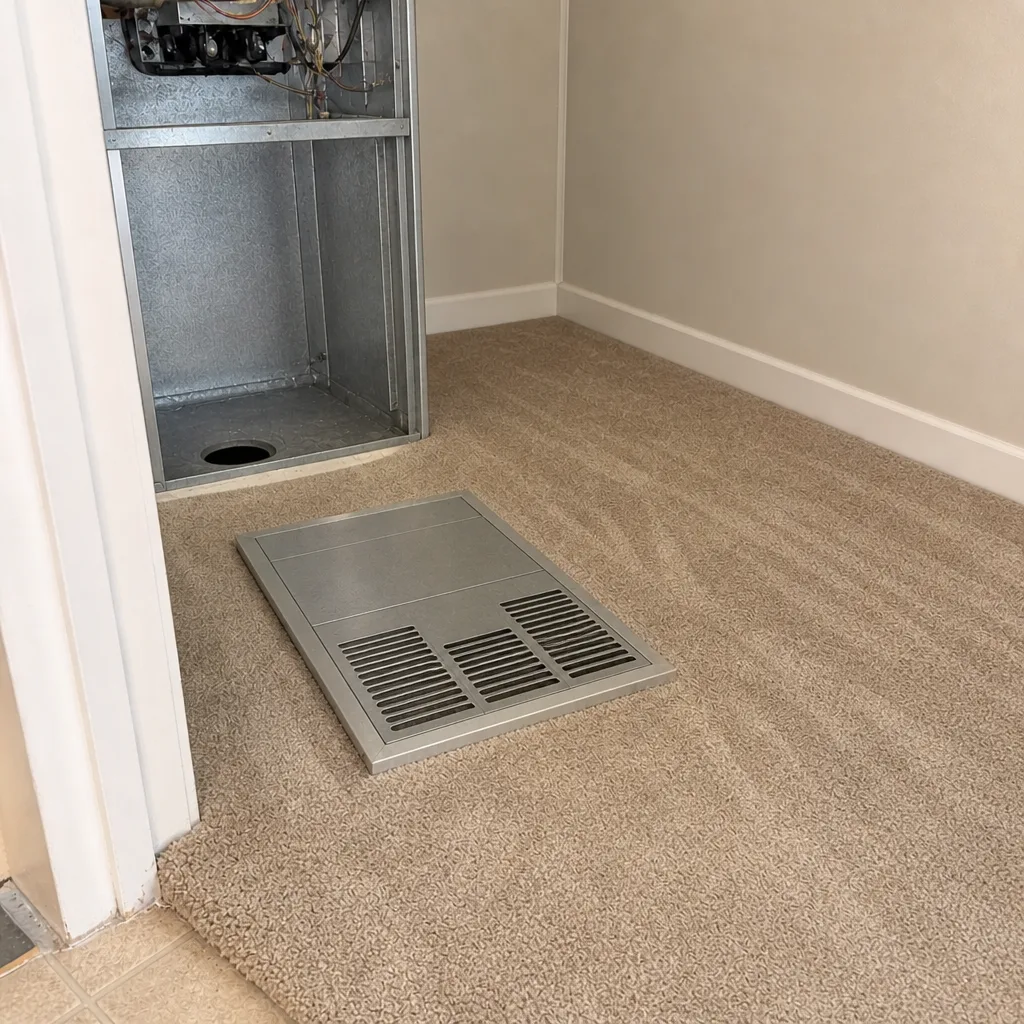 After
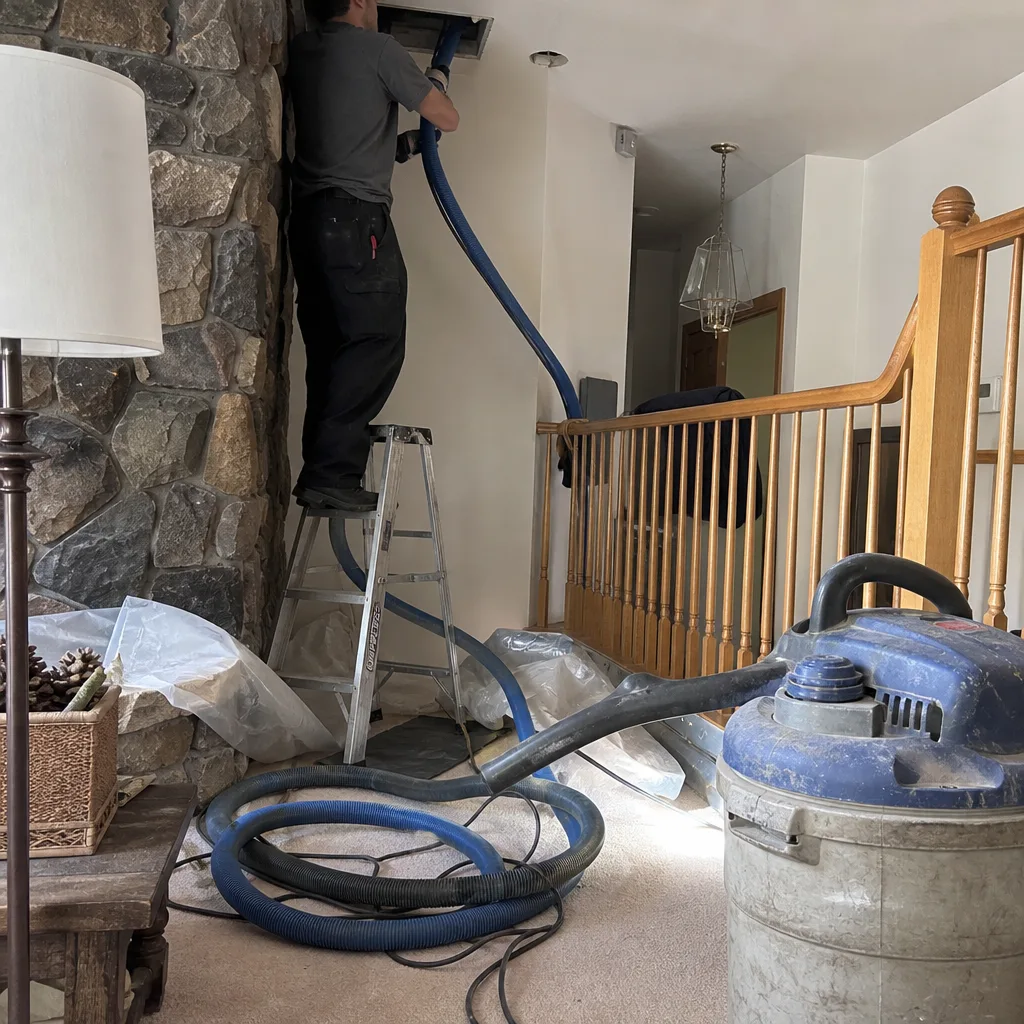 Before
 After
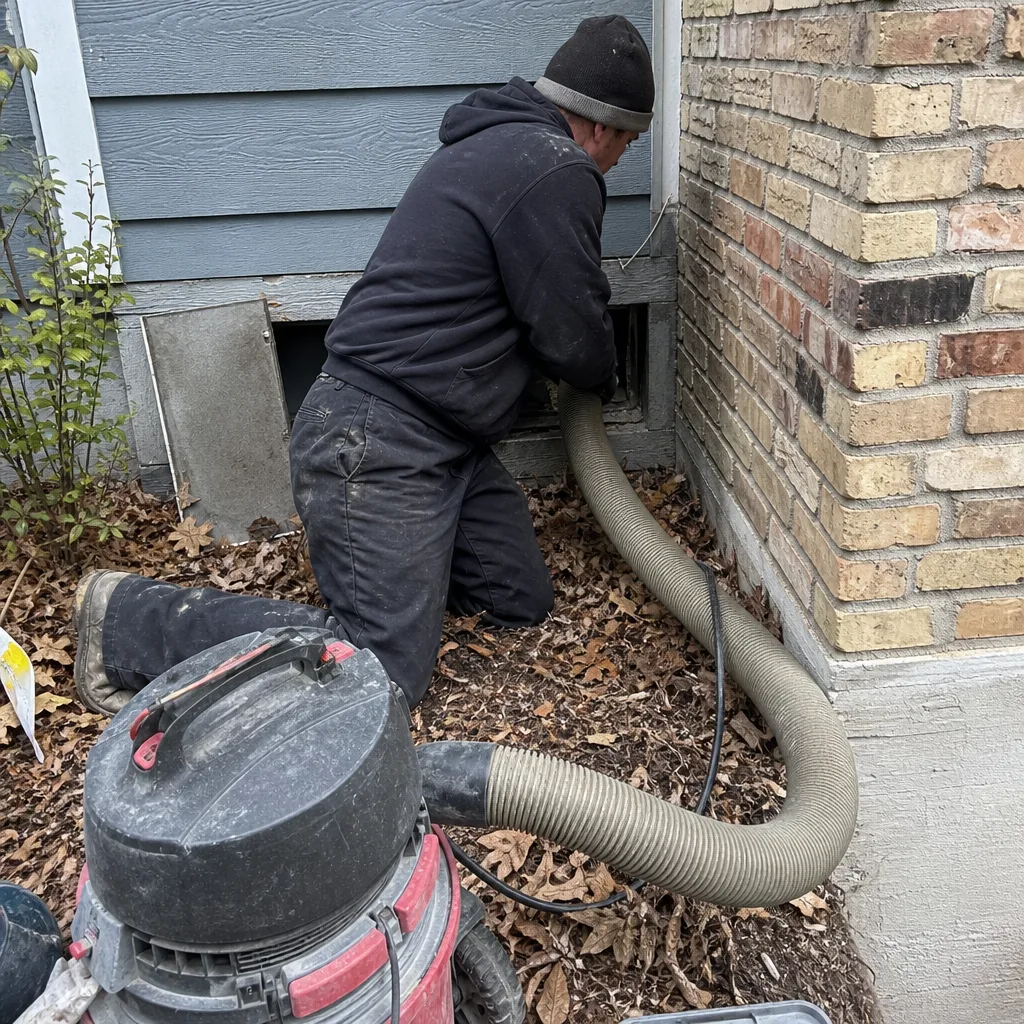 Before
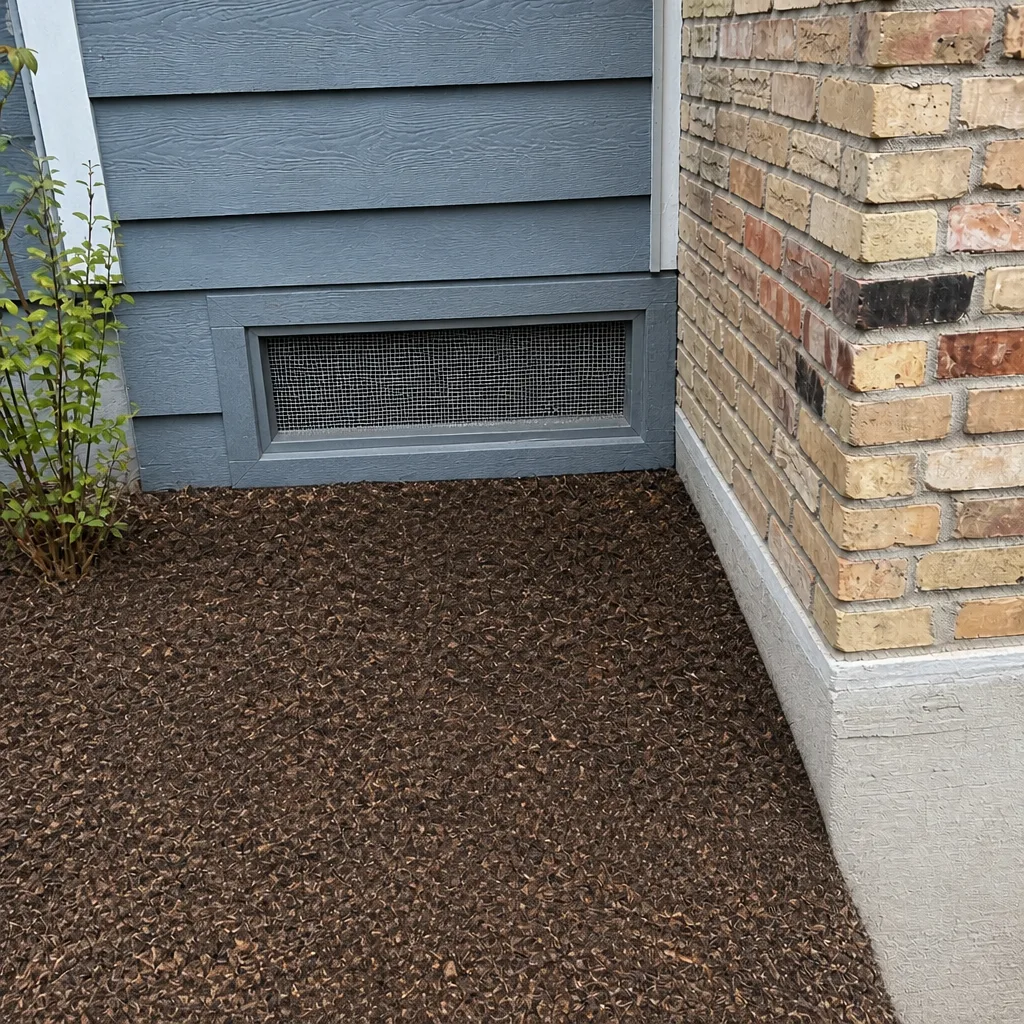 After
When to Call a Professional
Some duct problems are safe to inspect yourself, and some aren’t. Call a professional when: the ducts show visible mold or persistent musty odor; there’s pest evidence or water damage inside the system; airflow is weak or uneven and the filter looks fine; the system sits near gas lines or electrical components; or the ducts have never been serviced and the home is older. The same rules apply if you’re a property manager who needs a documented, before-and-after result. We diagnose the whole system, then fix what we find, which is the whole reason we carry cleaning, repair and sealing, and sanitizing under one roof.
Air Duct Cleaning Heather Gardens offers free estimates in Heather Gardens and the surrounding area. We answer 24/7 and dispatch fast from 7am to 7pm, Sunday through Friday. Call (855) 337-1174 for an exact quote. Estimates are free.
Frequently Asked Questions
It depends on the system, not the vent count. Pricing in Heather Gardens is set per job by the written estimate, and one flat price is agreed before work starts. The estimate reflects system size, whether the work is standard or remediation-grade, and whether repair and sealing are needed. Call (855) 337-1174 for an exact quote; estimates are free.
Cheap quotes are usually per-vent teasers that don’t cover the actual work, and the invoice grows once the technician is inside your home. The real cost of the job is one flat price per system, agreed in writing before work starts, with before-and-after photos of your own ducts. A quote without an inspection isn’t an estimate. Call (855) 337-1174 to see what your system actually needs; estimates are free.
Ask for before-and-after photos of your own ducts, taken during the visit, plus a written description of the scope. Contractor-grade equipment leaves a documented trail, and a real contractor is happy to show it. A company that won’t show you photos is telling you something. Call (855) 337-1174 and we’ll walk through exactly what a documented cleaning looks like; estimates are free.
There’s no single schedule that fits every home. Routine cleaning often makes sense every few years for an average home, sooner after a remodel or after a system has been serviced out of neglect. In Heather Gardens’ dry climate, checking the joints and sealant every few years alongside the cleaning is the more useful interval. Call (855) 337-1174 to talk through your home’s timing; estimates are free.
Yes, in a specific way. Dry heat and wide temperature swings age duct tape and mastic faster here than in a damp climate, so joints that worked a decade ago can be leaking now. That’s why cleaning alone sometimes doesn’t fix the symptoms, and why we pair it with repair and sealing.
Yes. We diagnose the whole system, then fix what we find, and we provide documented before-and-after results for each unit. That record is what matters when you need to show a landlord or owner that the work was done. Call (855) 337-1174 for a free estimate.
The Bottom Line
Duct problems in Heather Gardens have specific causes: contamination, leakage, imbalance, filters, and the local climate’s effect on joints and sealant. The fix is the one the diagnosis points to, which is why cleaning is step two, not step one. Clean ducts are only half the job; sealed, sanitized ducts are the finish line. Rotobrush and Nikro systems handle the clean, Abatement Technologies equipment handles the harder contamination cases, and Honeywell and Aprilaire components extend the solution beyond the duct. One flat price per system, before-and-after photos, and a satisfaction guarantee are the three things that separate a real fix from a teaser quote. We’re here to diagnose the whole system, then fix what we find.
What Happens When You Call
A conversation, not a script. We’ll ask what symptoms you’re seeing, when they show up, and what you’ve already checked. Then we’ll talk you through what’s likely driving it and book an estimate. We answer 24/7. A call outside dispatch hours is booked into the next opening, Sunday through Friday, 7am to 7pm. Closed Saturday.
Contact
Air Duct Cleaning Heather Gardens
Phone: (855) 337-1174
Call (855) 337-1174. We answer 24/7. Fast dispatch from 7am to 7pm, Sunday through Friday.
Services: Air Duct Cleaning Heather Gardens, dryer vent cleaning, HVAC cleaning, Duct Repair & Sealing, and Air Quality & Sanitizing. Estimates are free. Call (855) 337-1174 for a free estimate.
Written by the team at Air Duct Cleaning Heather Gardens.