
Last updated November 25, 2026
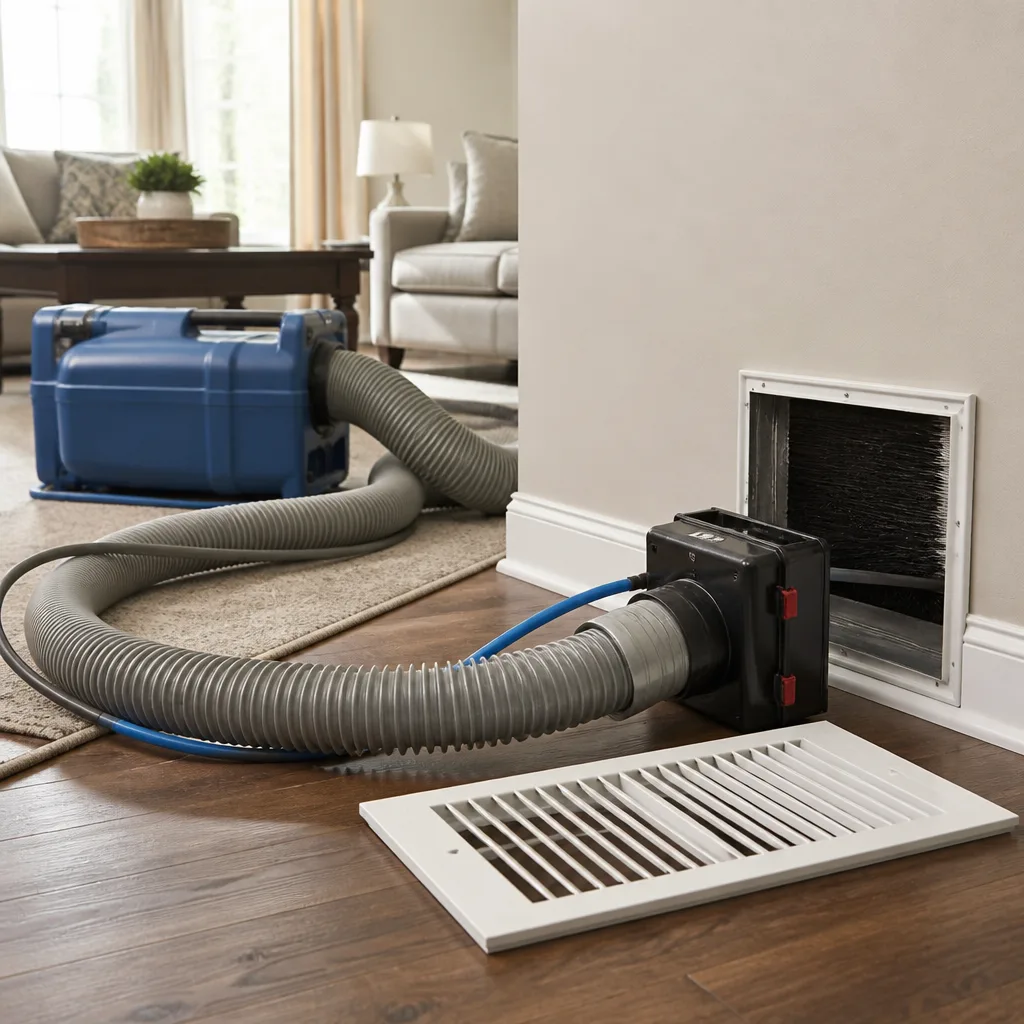 Whole-home duct cleaning
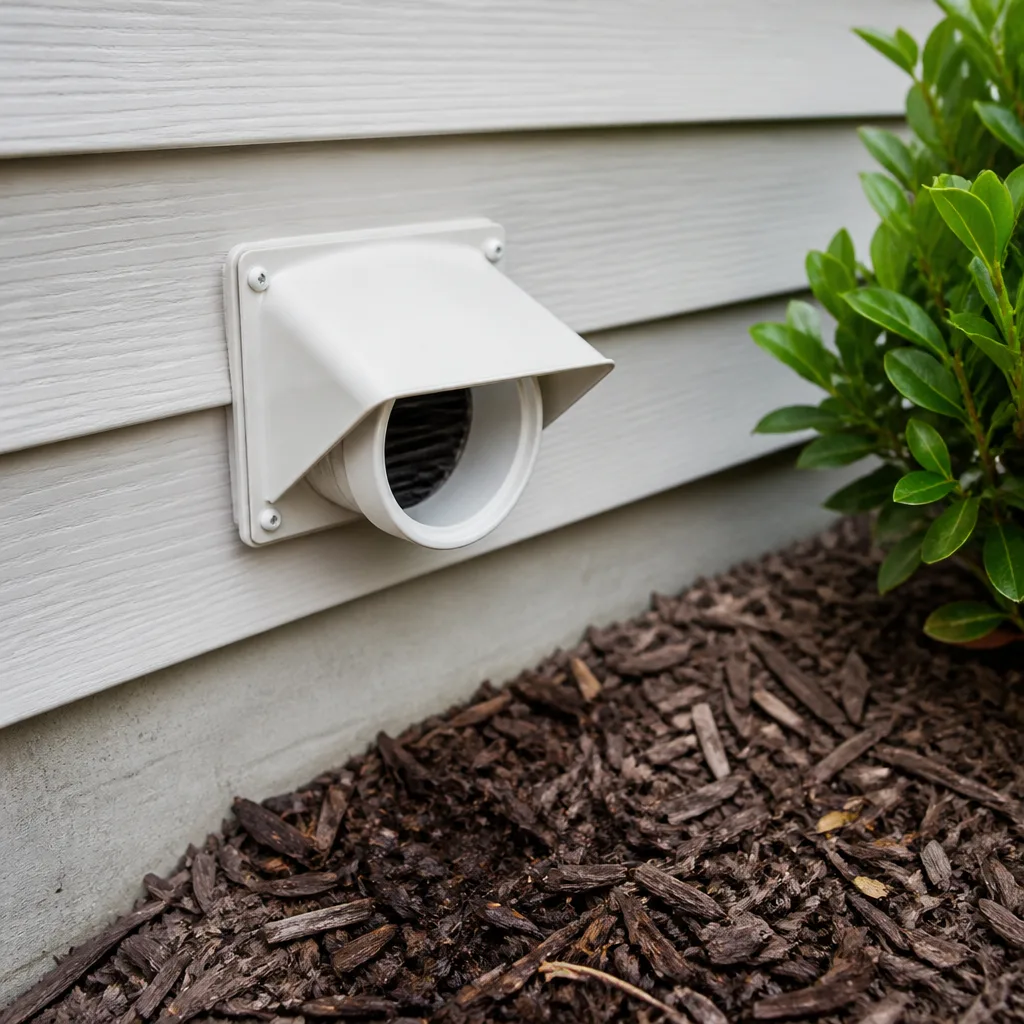 Dryer vent cleaning
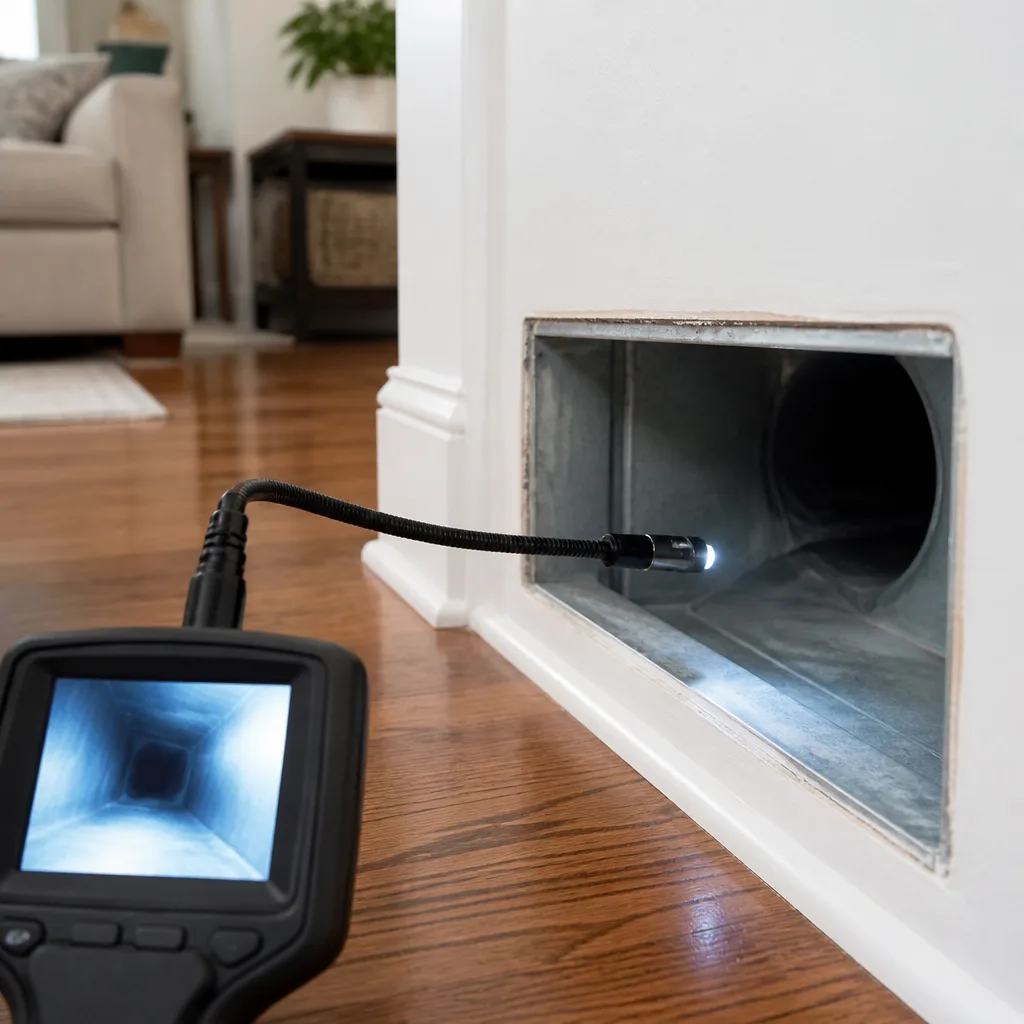 Camera inspection
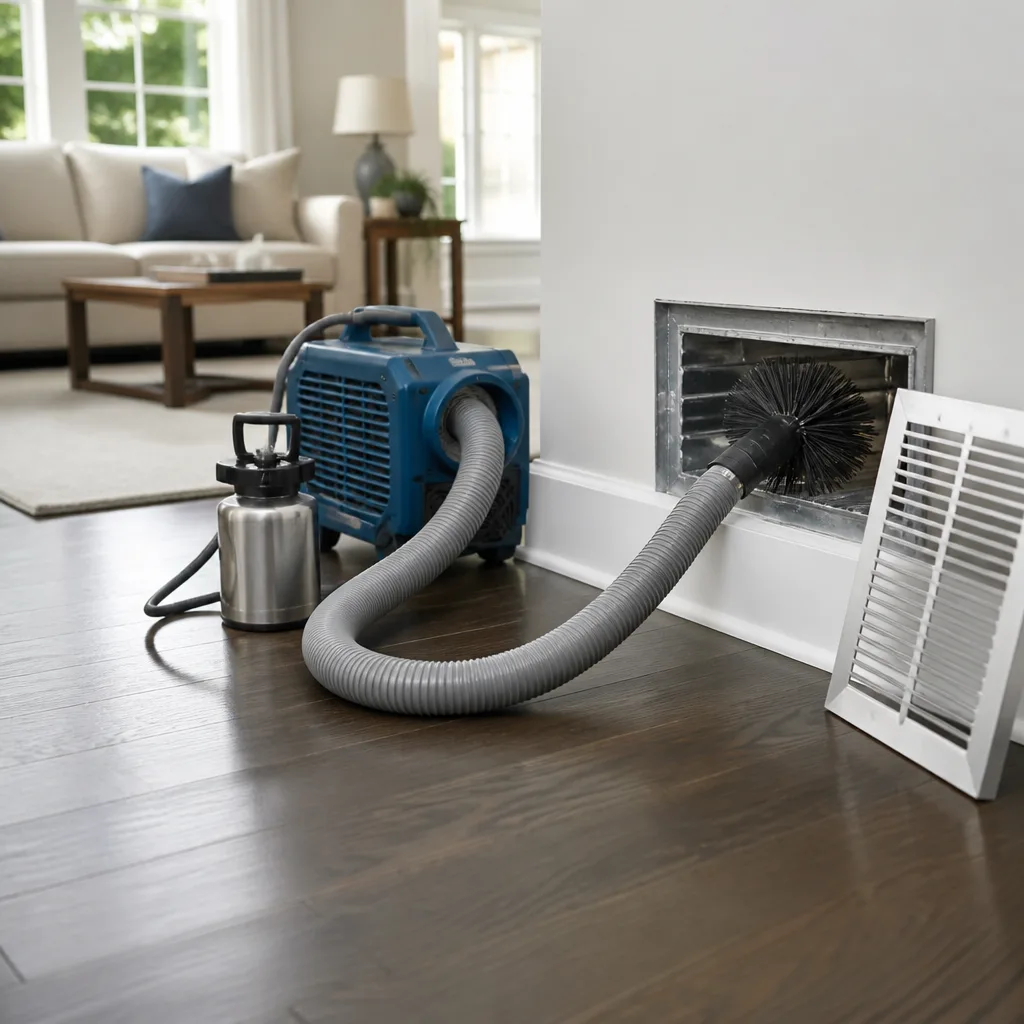 Sanitizing & deodorizing
Whole-system duct and dryer vent check with before-and-after photos - you see exactly what came out of your vents
That "$99 whole-house special" is a bait ad - the real number appears once they are in your hallway, or the "clean" is a shop-vac at the register. We photograph the inside of your ducts before and after instead.
Choosing the Right Air Duct Cleaning Brand: A Buyer’s Guide for Heather Gardens
Most homeowners in Heather Gardens compare duct cleaning quotes by looking at one thing: the price at the bottom. That’s backwards. The most reliable signal of quality isn’t what a company charges or how long they’ve been around. It’s the equipment they bring through your door. NADCA-certified cleaning depends on holding specific negative air pressure while contaminant is being knocked loose from the duct walls. Consumer-grade vacuums don’t reach that pressure even at their rated peak, which is why the same certification logo can sit on two operations that deliver completely different results. This guide shows you what to ask, which brands matter, and how to tell a real IAQ specialist from a vacuum with a logo.
Quick Answer
The right air duct cleaning brand in Heather Gardens is one that uses contractor-grade equipment with published performance specs, supplies name-brand air quality components rather than generic knockoffs, and repairs and seals the system rather than only vacuuming it. Ask for the machine model, the CFM rating, the HEPA stages, and the air quality brands on their supply list. If a company can’t answer those four questions on the phone, the price was never the real issue.
Styles & brands we work with
- Whole-home duct cleaning
- Dryer vent cleaning
- Camera inspection
- Sanitizing & deodorizing
Table of Contents
- Why Equipment Brands Are a Better Quality Signal Than Price
- What to Look For in Negative Air Machine Specs
- Name-Brand Air Quality Components Worth Asking About
- How to Evaluate a Company’s Equipment List on the Quote Call
- Truck-Mounted vs. Portable Units: What the Difference Means
- The Add-On Product Landscape: UV-C, Ionization, and Sealant
- Why Brand Consistency Matters for a Whole-System Result
- What Heather Gardens Homes Actually Face
Why Equipment Brands Are a Better Quality Signal Than Price
Air duct cleaning is one of the few trades where the equipment does most of the work. A technician can only reach the surfaces a machine lets them reach. That’s why we tell homeowners in Heather Gardens to put the equipment list ahead of the price tag and ahead of “years in business” as a quality indicator.
The reason is simple. Professional machines come with published performance data. You can look up CFM ratings, HEPA filtration stages, hose reach, and motor specs. Consumer-grade vacuums also publish a spec, but usually it’s a peak number that only holds for a few seconds, and the real working performance drops the moment the hose is loaded with dust. That gap between the label and the working reality is where the cleaning quality lives.
Here’s the shift in thinking worth making:
- Years in business tells you a company survived. It does not tell you the machine they ran in year one is the machine they run today.
- Low price usually means a lower-powered unit, one hose pass per vent, and a technician who never had the tools to reach the far end of a branch duct.
- Equipment brand tells you the company invested in the part of the job that actually moves the needle: air volume, filtration, and contact cleaning of the duct walls.
Contractor-grade systems such as Rotobrush and Nikro are purpose-built for this work. They combine high-volume negative air with a rotary brush head that physically disturbs contaminant from the duct surface while the vacuum pulls it out. Abatement Technologies equipment, used on remediation-level jobs, pushes further into heavily contaminated or compromised duct environments where a routine cleaning pass simply won’t hold. When we bring these machines into a Heather Gardens home, we know what number we’re hitting, because the machines were built to be measured.
That’s the entire argument of this guide: the equipment brands a duct cleaning company deploys are the most reliable, checkable, published signal of how good a job you’ll get. Here’s how to read that signal during the quote call. For a broader look at what cleaning actually includes, see our guide to air duct cleaning.
What to Look For in Negative Air Machine Specs
Negative air pressure is the single number that matters most in duct cleaning. If the machine doesn’t pull harder than the contaminant is stuck to the duct wall, the dirt escapes back into the room where you’re living. Ask about these specs and you’ll separate serious operators from the rest in under two minutes.
When you’re evaluating a machine on the quote call, work through this list:
- CFM rating. CFM stands for cubic feet per minute, the volume the machine can move through a duct. Higher CFM means the vacuum can hold negative pressure even as it works against a long branch or a filter loading up. Ask for the working CFM, not the peak rating on the marketing sheet.
- HEPA filtration stages. A real HEPA stage traps particles at a specific capture threshold. Ask how many filtration stages the machine has and whether the final stage is HEPA-rated. Multi-stage filtration keeps the motor from choking and keeps what gets sucked up from blowing back through the exhaust.
- Horsepower and motor type. Higher horsepower lets the unit maintain pressure through a longer hose run. A unit that drops hard as the hose extends will deliver a different clean at the far vent than the near one.
- Rotary contact cleaning. A vacuum alone pulls loose debris. A rotary brush head disturbs the film that coats the duct walls. Both together, at proper negative pressure, are what a certified clean actually looks like.
- Documentation. Ask if they photograph before and after per branch. Documented results are the only proof the pressure was held through the whole run.
In our experience, the machines that hold up to these standards on the spec sheet are the ones that actually capture contaminant, and the ones that fall short quietly turn a cleaning job into a recontamination event. If the salesperson can quote CFM, filter stages, and rotary specs fluently, you’re talking to a technician. If they pivot to a coupon, you’re not. Our technicians have up to 10 years of experience reading these numbers on Heather Gardens systems, and they’ll talk about them the way a technician talks about a torque spec, not the way a salesperson talks about a special offer.
Name-Brand Air Quality Components Worth Asking About
Once the duct system is clean, the question shifts to what’s in the system going forward. The air quality components a company supplies and installs tell you whether they’re a cleaning crew or an indoor air quality specialist. These are the brands and product categories worth naming on the quote call.
- Honeywell. Among the most-established names in residential air filtration and controls. Honeywell air quality components cover media filters, electronic air cleaners, and the control hardware that ties filtration into your HVAC. If a company supplies and installs Honeywell, you can look up the exact filter model number and its published efficiency ratings.
- Aprilaire. Known for whole-house media filters, humidifiers, and dehumidifiers built for home duct systems. Aprilaire filter cabinets typically use a deeper filter media than a standard 1-inch return grille, which matters for the filtration you get downstream of the ducts.
- IQAir. High-efficiency filtration, often with published particle-capture data at multiple particle sizes. IQAir is a name to ask about if the concern in your Heather Gardens home is fine particulate or a household member with severe respiratory sensitivity.
- RGF. Air treatment equipment that includes UV-based and photocatalytic products. Ask which specific product and whether the company can show a third-party test report, not just a brochure.
What each category does in the system is different, and that difference matters. Media filters trap particulate as air passes through the return. UV-C lamps can affect organisms on surfaces the light reaches directly. Whole-house humidifiers and dehumidifiers manage moisture, and moisture is the factor that drives most biological growth in a duct system. None of these substitutes for another, and a company that names all four is usually the one that thinks about the whole system instead of a single silver bullet.
Ask the company to identify the specific model of every component they’d install, not just the manufacturer. A Honeywell component and a generic component that fits the same slot are not the same product, and the filter media depth and rated efficiency are where the difference shows up. For a fuller look at how air quality work fits with cleaning, see HVAC cleaning.
How to Evaluate a Company’s Equipment List on the Quote Call
The quote call is where you can separate good operators from the rest in about five minutes. Ask direct, specific questions and listen for whether the answers come fast and stay specific. Here’s the exact script we tell Heather Gardens homeowners to run.
Ask these questions, in this order:
- “What negative air machine will you bring, and what’s its working CFM?” Vague answers or a pivot to price mean they don’t know their own equipment. A real answer comes quickly.
- “What filtration stages does the machine have?” Listen for “multi-stage” and “HEPA final stage.” One-stage units are not built for the contaminant load in a home that hasn’t been cleaned in years.
- “Are you bringing a truck-mounted or portable unit?” The next section explains why this matters for job quality in Heather Gardens.
- “Do you do rotary contact cleaning, or vacuum only?” Rotary brushing plus negative air is the certified standard. Vacuum-only misses the film on the duct walls.
- “Do you repair and seal ducts, or only clean them?” A clean system with leaking joints re-contaminates within a heating season. Repair and sealing is the fix.
- “What air quality brands do you supply and install?” Listen for names you can look up. If they can’t name the brand, they can’t be held to the spec.
- “Can I see before-and-after photos from your own jobs?” A full-system clean is documentable. A one-pass vacuum is not, and a company that can’t show photos usually can’t show them because there’s nothing to show.
One flat price per system, agreed before work starts, is the other thing to confirm on the call. Per-vent pricing is the oldest bait-and-switch in this trade: a low headline number that grows with each vent the technician finds. Ask for one whole-system price in writing. For the rest of the system-side picture, our guide to Air Duct Cleaning Heather Gardens covers how we approach the whole environment.
Truck-Mounted vs. Portable Units: What the Difference Means
Both setups can clean a duct system, but they’re not equivalent, and the one a company uses tells you something about how they plan to run the job. Understanding the difference helps you ask a better question on the call.
A truck-mounted unit puts the large negative air machine in the vehicle and runs a long hose into the home. That lets the machine be bigger and run at a higher CFM without adding noise or heat inside the house. The trade-off is reach and setup: on a second-floor system or a home where parking is difficult, the hose run gets long and the working CFM at the vent drops.
A portable unit puts the machine inside, near the ductwork, which keeps the hose short and the pressure high at each branch. Modern professional portables, like the Rotobrush system, are built specifically for this and can hold solid negative pressure at the vent without a truck at the curb.
These are the practical implications for a typical Heather Gardens job:
- For a single-family ranch with a basement or crawlspace, a portable pro-grade unit near the trunk line often delivers the most consistent pressure at every branch.
- For a long branch run or an upstairs system, a truck-mount can win on raw air volume if the hose run is manageable.
- For heavily contaminated systems, a unit like an Abatement Technologies setup, either truck-mounted or portable, is what you want on site. That’s remediation-level capacity, not routine-clean capacity.
What you’re really testing is whether the company has thought about hose length, branch layout, and pressure loss. A crew that brings one unit and one method to every home and doesn’t talk about the setup isn’t diagnosing the system, they’re running a production line. In our experience the right answer changes with the home, and we’d rather explain the setup than pretend one machine fits every scenario. When the system needs repair as well as cleaning, our dryer vent cleaning work often runs on the same visit because airflow outside the duct runs affects indoor air quality just as much as the supply side.
The Add-On Product Landscape: UV-C, Ionization, and Sealant
Every duct cleaning company has a menu of add-ons. Some of them have real published third-party efficacy data. Others are largely marketing. Knowing the difference protects you from paying for a product that doesn’t do what the brochure implies.
Here’s how we’d sort the common add-on categories:
- Whole-house media filtration (Aprilaire, Honeywell). Strong published specifications. Filter efficiency and media depth are measurable and the product model is named and checkable. This is the category with the clearest return.
- UV-C systems. Effective against organisms on surfaces the lamp reaches directly. The lamp does not reach the interior of the ductwork beyond the installation point, so a UV-C lamp mounted at the coil is a coil-cleanliness tool, not a whole-duct sterilization system. Ask for the specific product and where it’s being installed.
- Bipolar ionization. The category has grown fast and claims have on occasion run ahead of evidence. Ask whether the manufacturer has published third-party test results for that specific unit. If the answer is a brochure, treat it as unproven.
- Duct sealant. The unglamorous category that does the most work. Leaky duct joints are the biggest source of recontamination and lost efficiency in a residential system. Aeroseal-style sealants and brush-applied sealants are both legitimate if the company can explain which joints they seal and how they verify the seal. This is the category most clean-only competitors skip entirely, and it’s the category that makes a cleaning last.
Guardsman protective treatments, applied as the final step in a sanitizing service, are a legitimate finish when the system is cleaned, sealed, and sanitized in the right order. The product is the last layer, not the whole job. If a company offers to spray a treatment without cleaning and sealing first, the treatment is acting on a contaminated surface. Order matters, and so does the brand behind the product.
Why Brand Consistency Matters for a Whole-System Result
Mixing equipment and products that weren’t designed to work together is a quiet way to undermine a job. Brand consistency sounds like a marketing line until you see how the components interact in a real system.
A few examples of how inconsistent components hurt:
- A high-efficiency media filter downstream of a low-pressure system restricts airflow and makes the blower work harder. The filter may be excellent on paper and still be the wrong fit for the system it’s in.
- A UV-C lamp sized for a commercial coil installed in a small residential unit is either overkill or, if sized wrong, ineffective. The right product for the wrong system is a wasted product.
- A duct sealing job that uses one sealant brand on the trunk and another on the branch can leave joints that respond differently to seasonal temperature swings. Expansion and contraction are real in Heather Gardens, where the heating season runs long and the cooling season runs hot.
- Guardsman treatments applied over ductwork that hasn’t been re-sealed re-contaminate through the leaks and the treatment wears faster than it should.
The whole-system result is the only result that lasts. Clean, sealed, and sanitized is the finish line. Cleaning without sealing is half a job. Sealing without cleaning traps the contaminant in. Sanitizing without either is a layer on top of a problem. The brands a company deploys and the order they deploy them in are what make that whole-system result possible.
Our five service categories (air duct cleaning, dryer vent cleaning, HVAC cleaning, duct repair and sealing, and air quality and sanitizing) exist as one provider for that reason. When we bring Rotobrush and Nikro equipment, pair it with Honeywell and Aprilaire air quality components, and finish with a Guardsman-treated sanitizing application, we’re doing it because the whole system works better together than it does as a pile of parts from different sources.
What Heather Gardens Homes Actually Face
Air quality issues in Heather Gardens aren’t only about what’s in the ducts. They’re about the way this specific community’s housing and climate put stress on a duct system over time, and about the patterns we see when we’re called out on a typical job.
Heather Gardens is a community built around a long heating season and a summer that regularly pushes the cooling side hard. Duct systems in this environment swing between very hot and very cold cycles annually. That swings the joints, and joints that were sealed decades ago often aren’t sealed anymore. A clean system with leaking joints in Heather Gardens re-contaminates faster than a homeowner expects, and it also loses conditioned air into the crawlspace or attic, which is the efficiency loss nobody puts on a quote.
In our experience in Heather Gardens, the most common pattern when we open up an older system is:
- Visible debris load in the return trunk from years of unfiltered return air.
- Weakened or separated joints where the duct tape or mastic has dried out.
- A filter change history that was either inconsistent or used a higher-MERV filter than the system design can carry, which itself can restrict airflow.
- A dryer vent that hasn’t been cleaned, adding lint load and heat risk to the same home.
What we tell every Heather Gardens homeowner is the same: the house was built to a certain standard, and the duct system has had a lot of heating seasons pass through it. A proper clean, a repair and sealing pass, and a name-brand air quality component on the return is the combination that actually moves the needle. Get the equipment list, confirm the brands, ask for before-and-after photos, and treat the whole system as one job.
Common Mistakes to Avoid
- Choosing on price alone. A quote that’s dramatically lower than the others almost always reflects a lower-power machine and fewer passes. In Heather Gardens’ long heating season, a light clean recontaminates within one winter.
- Not asking for the equipment model. “Professional equipment” is a phrase every company uses. The model number is the differentiator. If they can’t give you one, they’re hoping you won’t ask.
- Accepting per-vent pricing. A per-vent number invites a bait-and-switch: the base price is low, and it grows with each vent. Ask for one flat price per system, in writing, agreed before work starts.
- Skipping duct repair and sealing. Cleaning without sealing is treating the symptom. The joints leak, and the system re-contaminates. The fix is sealing, not more cleaning.
- Taking the add-on package without asking about efficacy data. UV-C, ionization, and every other add-on product should come with a model number and a published third-party spec. If it doesn’t, don’t buy it.
- Not asking for before-and-after photos. A documented clean is a verifiable clean. If a company can’t show you what their own clean looks like, you have no way to know what you paid for.
- Ignoring the filter and air quality components. A clean system with the wrong filter restricts airflow and undoes much of the benefit. Name-brand components (Honeywell, Aprilaire) have published specs you can check before you buy.
See the difference
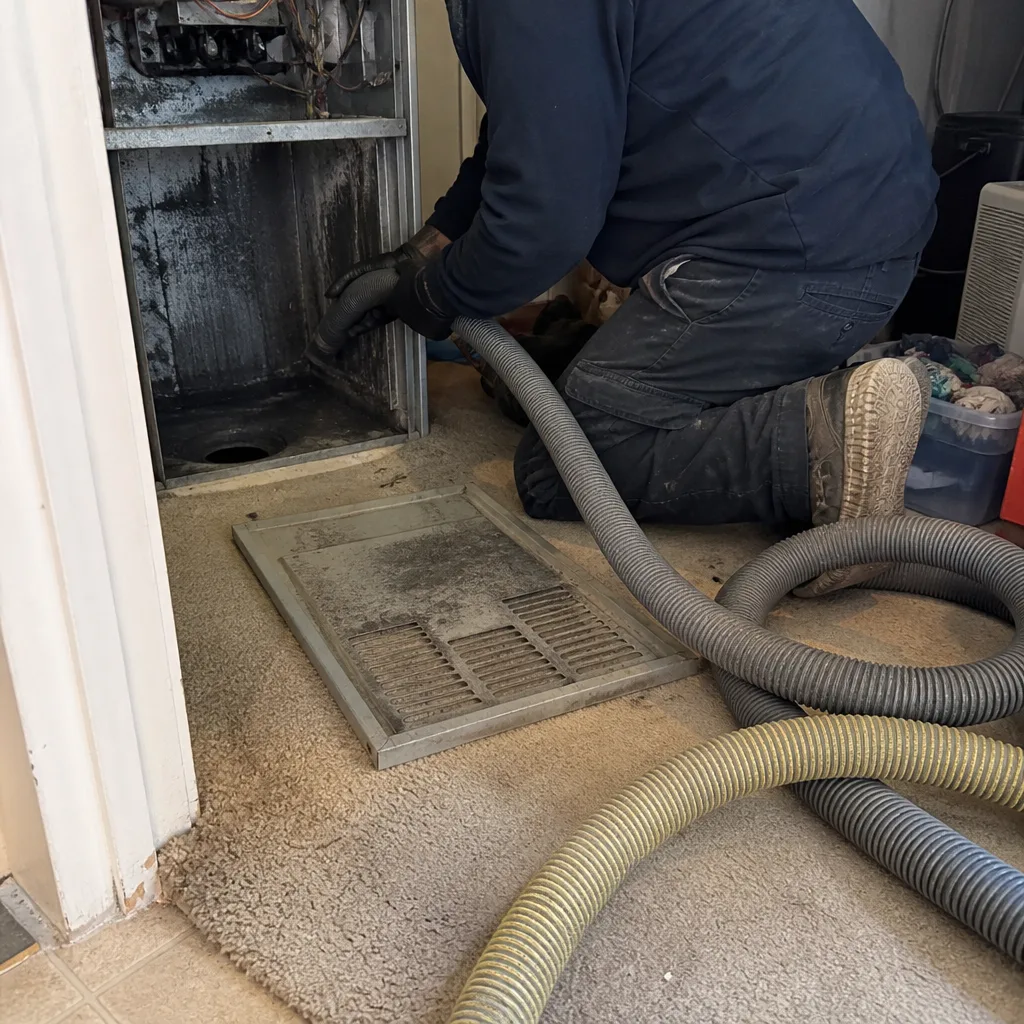 Before
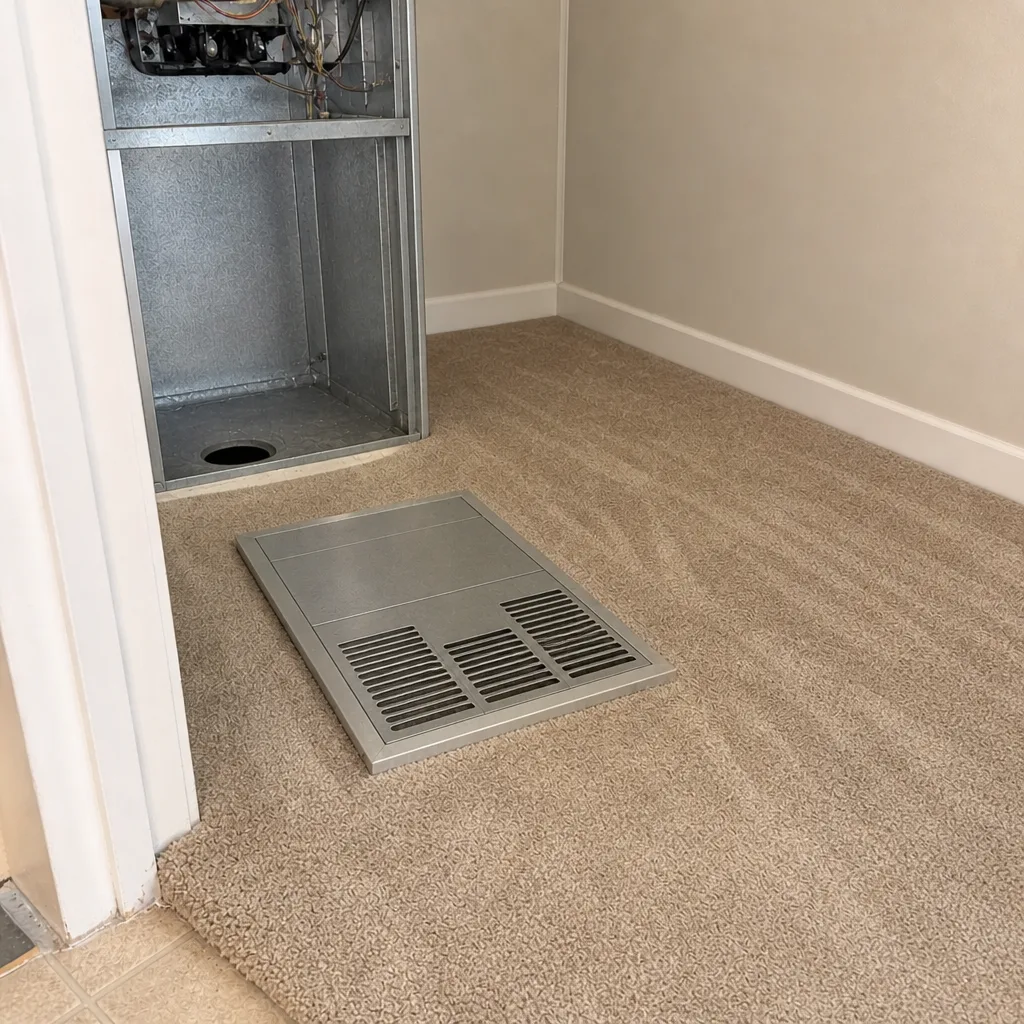 After
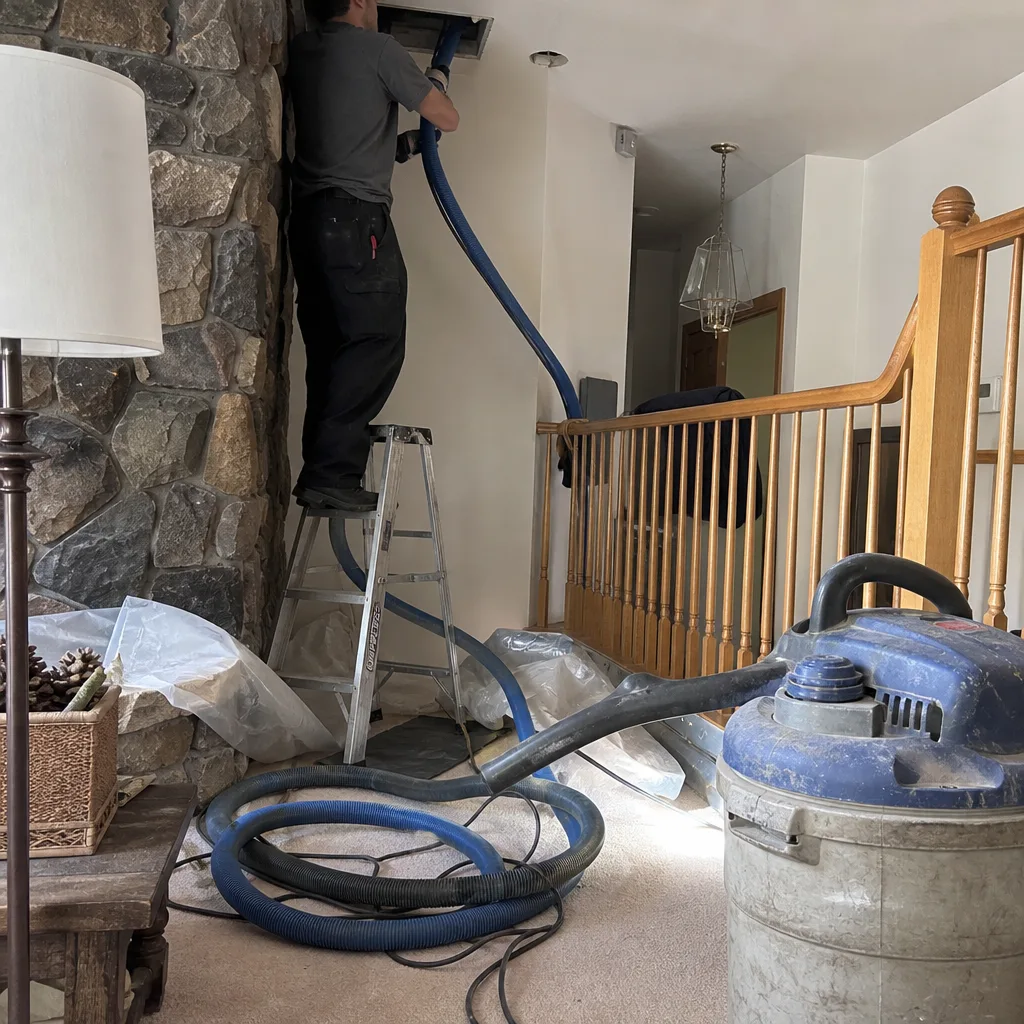 Before
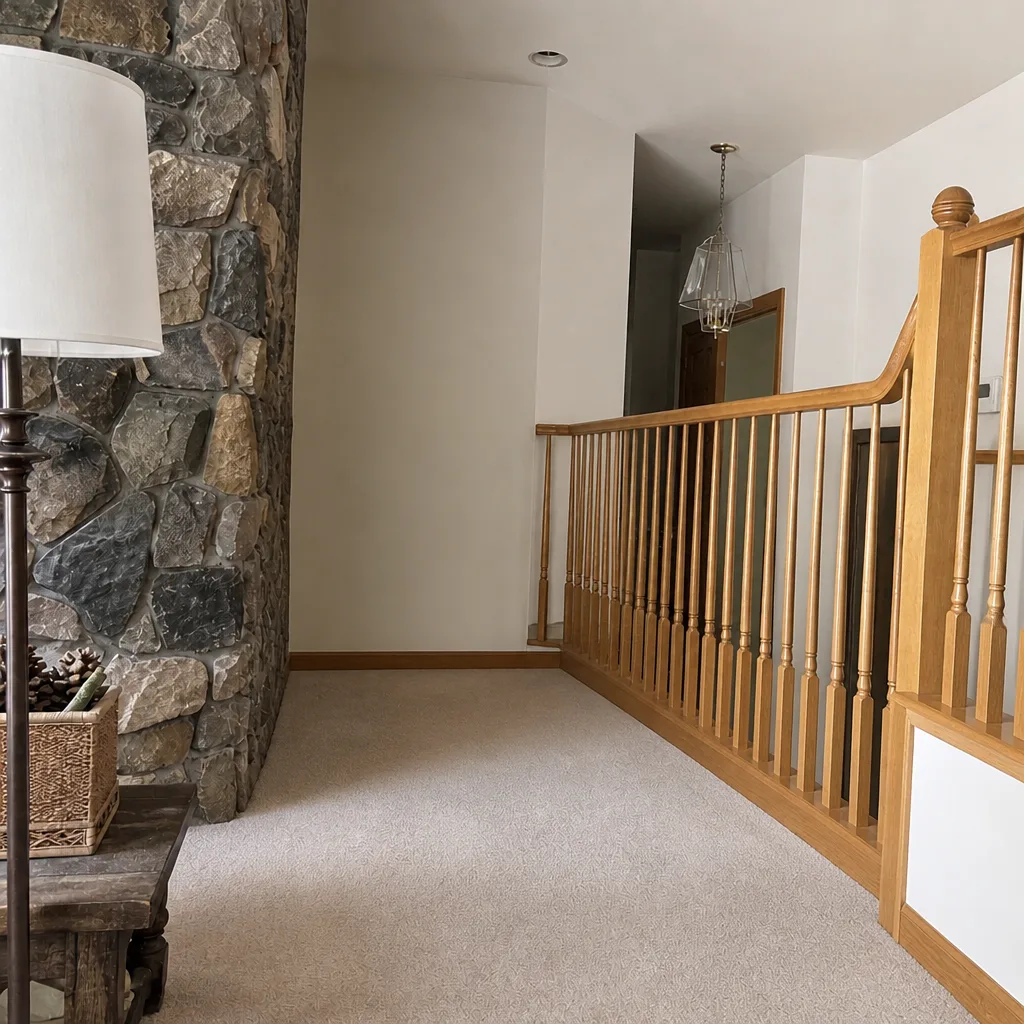 After
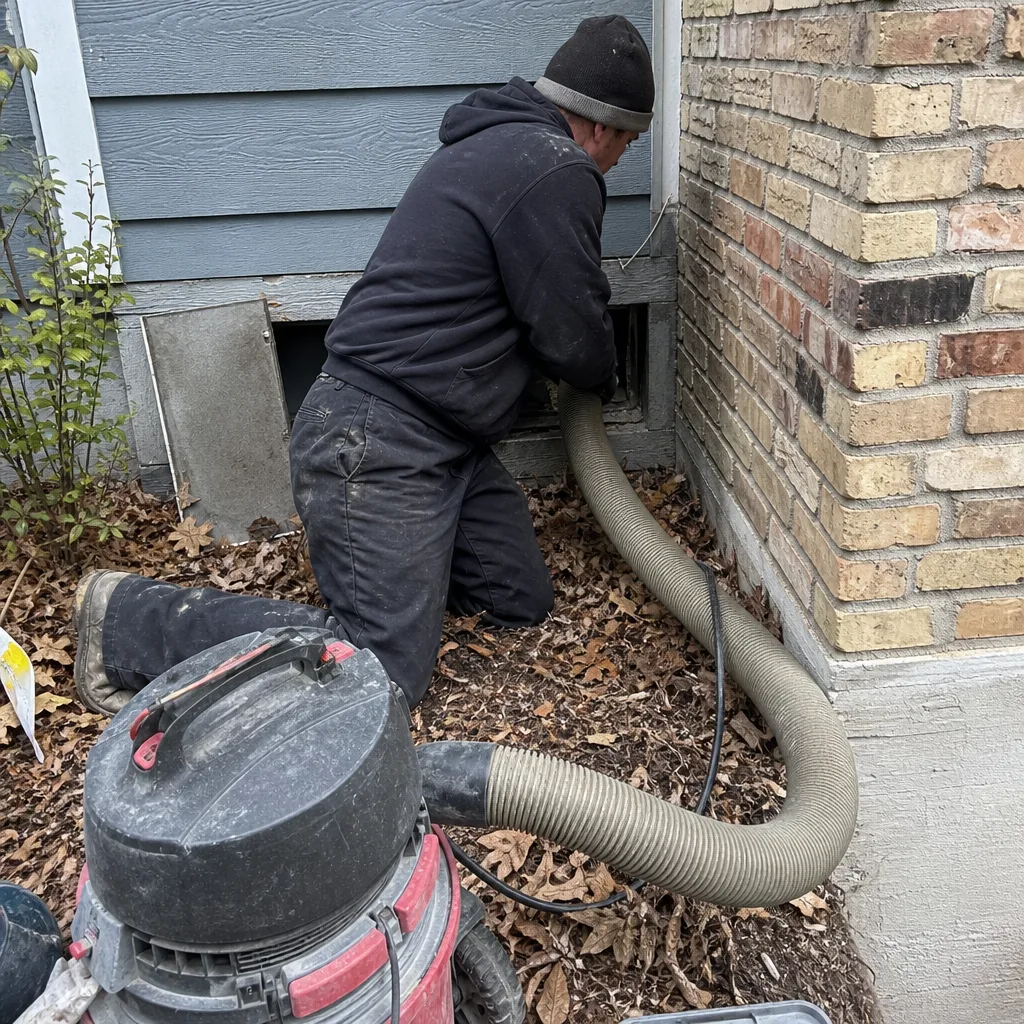 Before
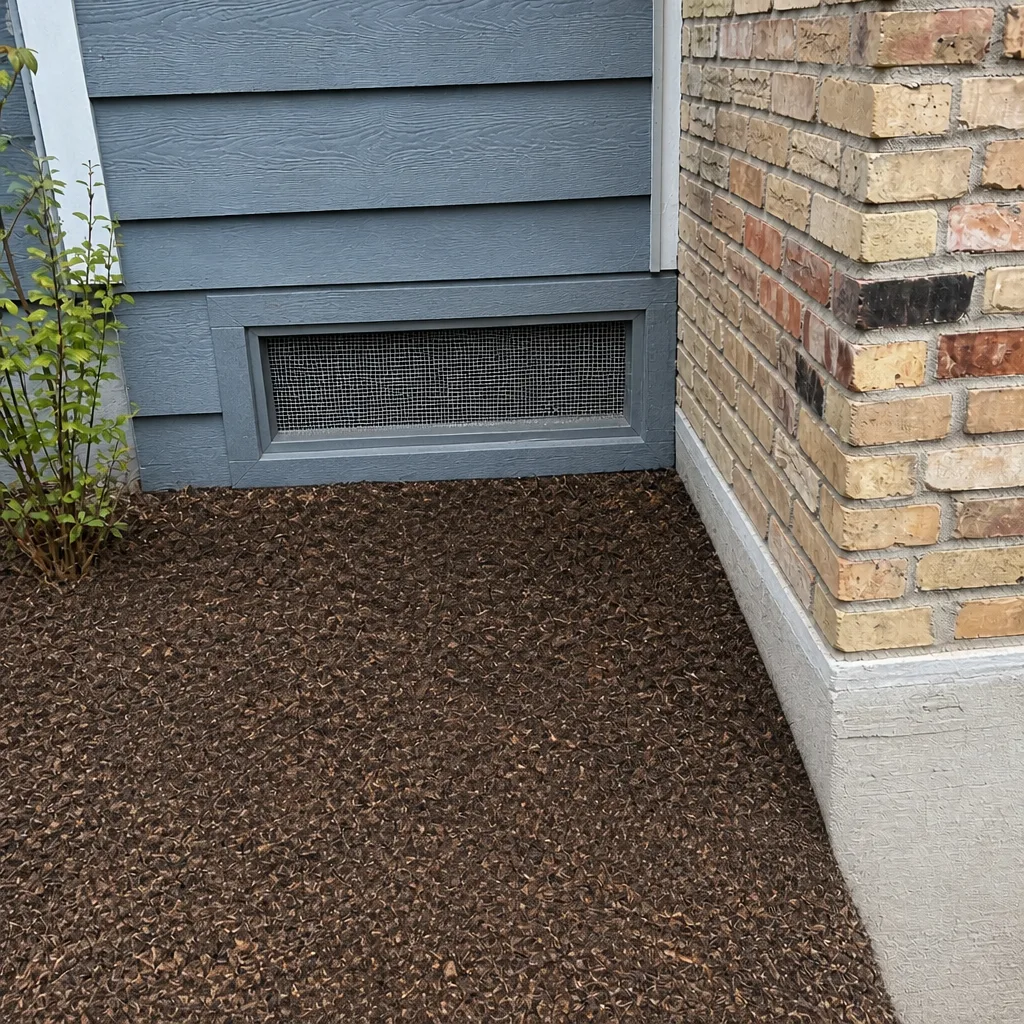 After
When to Call a Professional
Some issues need a technician, not a filter change. Call us if any of these sound familiar: allergy symptoms that flare up every time the heat or AC kicks on, a musty odor that gets stronger when the air handler runs, uneven airflow from room to room that you’ve already checked the vents on, or a duct system that hasn’t been serviced in years. If you’re moving into a Heather Gardens home and don’t know the service history, a full-system inspection is the right starting point. Air Duct Cleaning Heather Gardens offers free estimates in Heather Gardens. Call (855) 337-1174. We answer 24/7. Fast dispatch from 7am to 7pm, Sunday through Friday.
Frequently Asked Questions
Ask for the negative air machine model and its working CFM rating. It’s the single spec that determines whether the cleaning actually holds contaminant out of your home or just moves it around. A company confident in its equipment will answer in seconds. One that can’t is telling you what you need to know before you’ve paid a deposit. Call (855) 337-1174 for an exact quote on a Heather Gardens job.
Equipment brand tells you what machine is actually in your home today. Years in business tells you a company survived, but a company could have changed its machine every year and still claim long tenure. Contractor-grade systems from Rotobrush, Nikro, and Abatement Technologies have published performance data that a consumer-grade vacuum can’t match. When you ask for the model, you’re comparing apples to apples. Call (855) 337-1174 to talk through the specific equipment we bring on a Heather Gardens job.
No. Truck-mounts offer higher raw air volume, but hose length, branch layout, and parking all affect what the machine can hold at the vent. A professional portable unit like the Rotobrush system placed near the trunk line often delivers more consistent pressure at every branch in a Heather Gardens single-family home. The right answer depends on your house, and a good technician will explain the setup before they start. Call (855) 337-1174 for a free estimate.
Duct cleaning removes what’s built up inside the duct. Duct repair and sealing fixes the joints and leaks that let contaminant back in. Cleaning without sealing re-contaminates, and sealing without cleaning traps the debris in. In Heather Gardens’ long heating season, the joint swings are real, and cleaning plus sealing is the combination that actually holds. Call (855) 337-1174 to ask about both services on one visit.
Some are worth it and some aren’t; the difference is published third-party efficacy data on a specific product model. Whole-house media filtration from brands like Honeywell and Aprilaire has the clearest published specs, which is why we name those. UV-C works on surfaces the lamp reaches, not the whole duct. Bipolar ionization varies by manufacturer, so ask for the specific test report. Call (855) 337-1174 to talk through which add-ons make sense for your system.
Ask for before-and-after photos of your own ducts, taken at the same branch. That’s the only verifiable proof the job was done right. A company that can’t produce them is asking you to trust that the machine ran where it was supposed to. We do it on every Heather Gardens job, and it’s part of the one flat price per system, agreed before work starts, that keeps the scope honest. Call (855) 337-1174 for your free estimate.
The Bottom Line
Picking the right air duct cleaning brand in Heather Gardens comes down to four checks: ask for the machine model and its CFM, ask for the filtration stages, ask which air quality brands the company supplies and installs, and ask whether they repair and seal as well as clean. A business that can answer all four is a whole-system operator. One that pivots every question back to price is a vacuum with a logo. One flat price per system, agreed before work starts, plus before-and-after photos of your own ducts, plus a satisfaction guarantee, is the package that holds quality in place. Rotobrush, Nikro, Abatement Technologies, Honeywell, Aprilaire, and Guardsman aren’t the whole story, but they’re the part you can verify before you sign anything.
If you’d like the equipment list and the pricing structure explained for your specific system in Heather Gardens, call Air Duct Cleaning Heather Gardens at (855) 337-1174 for a free estimate. We answer 24/7. Fast dispatch from 7am to 7pm, Sunday through Friday. One flat price per system, before-and-after photos of your own ducts, and a written estimate that sets the final price before work begins.
Written by the team at Air Duct Cleaning Heather Gardens.