
Last updated November 25, 2026
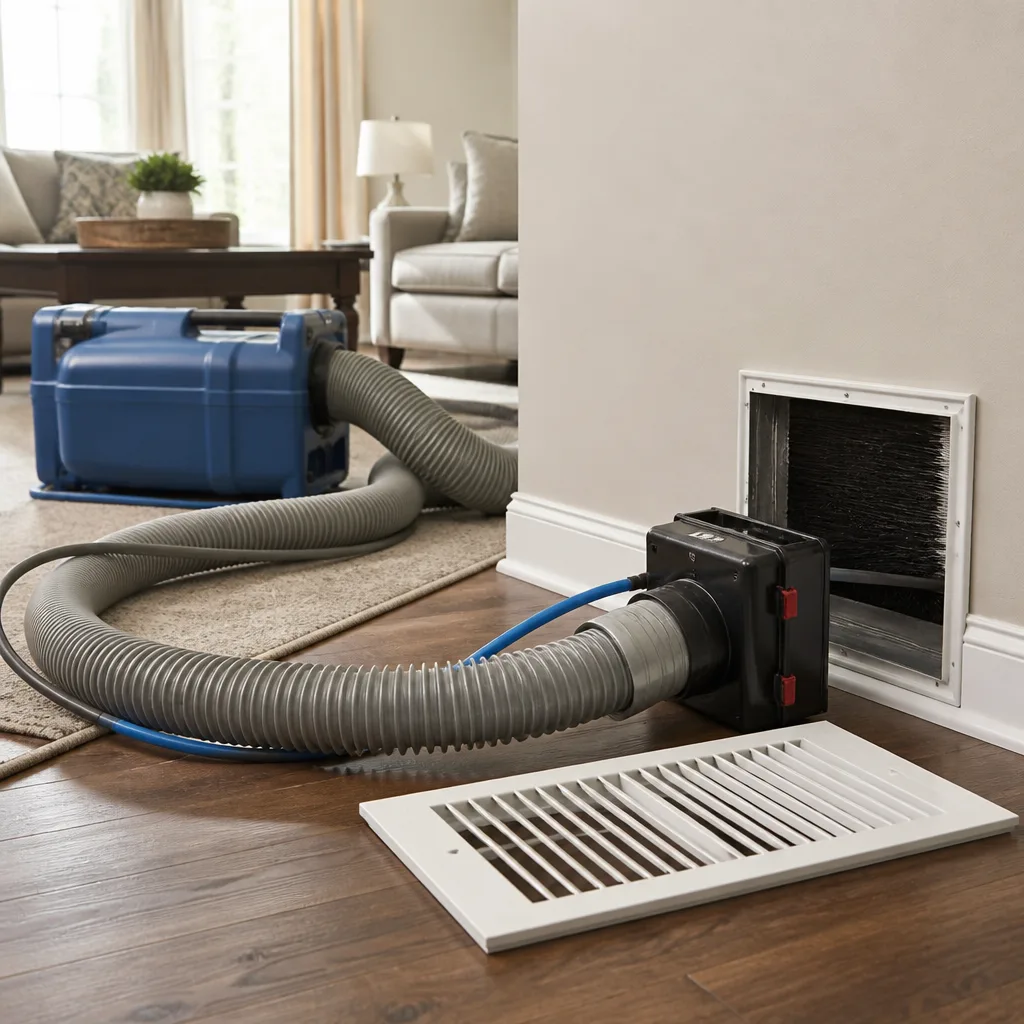 Whole-home duct cleaning
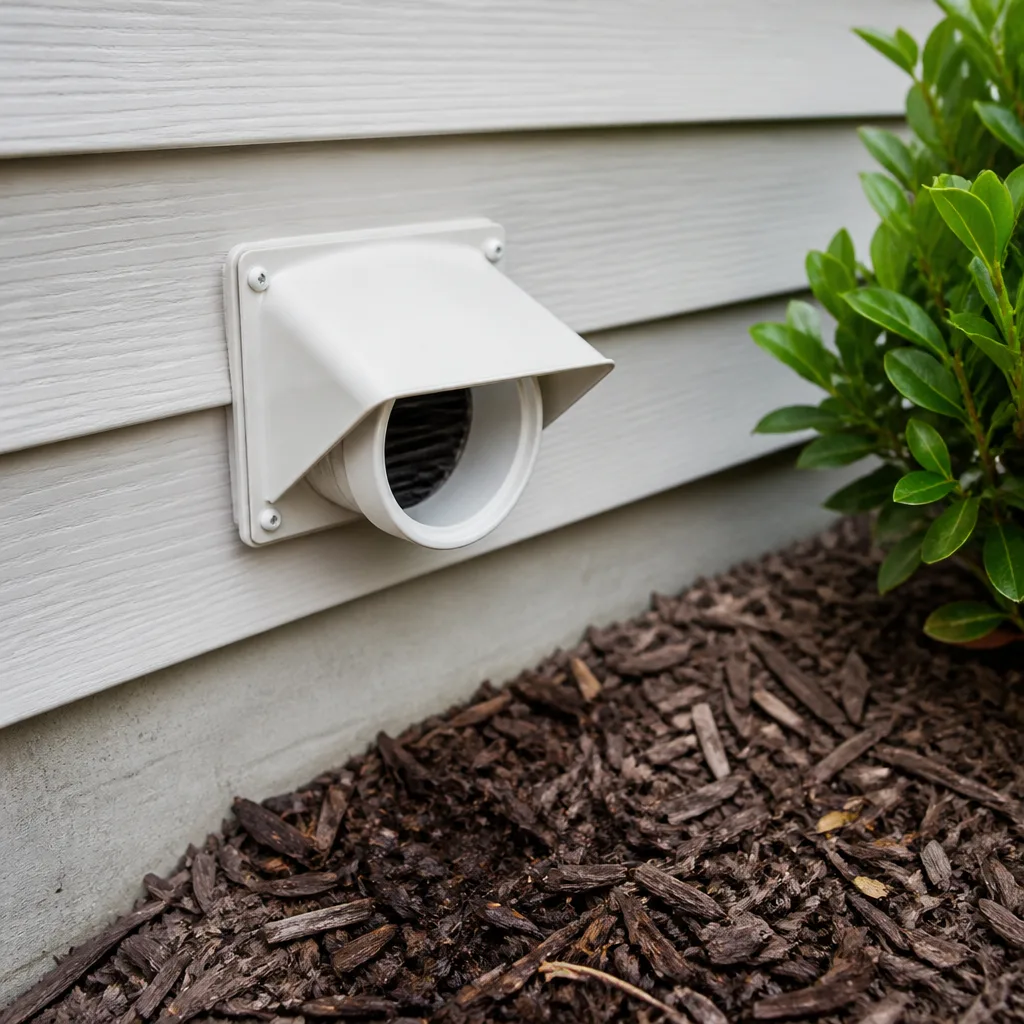 Dryer vent cleaning
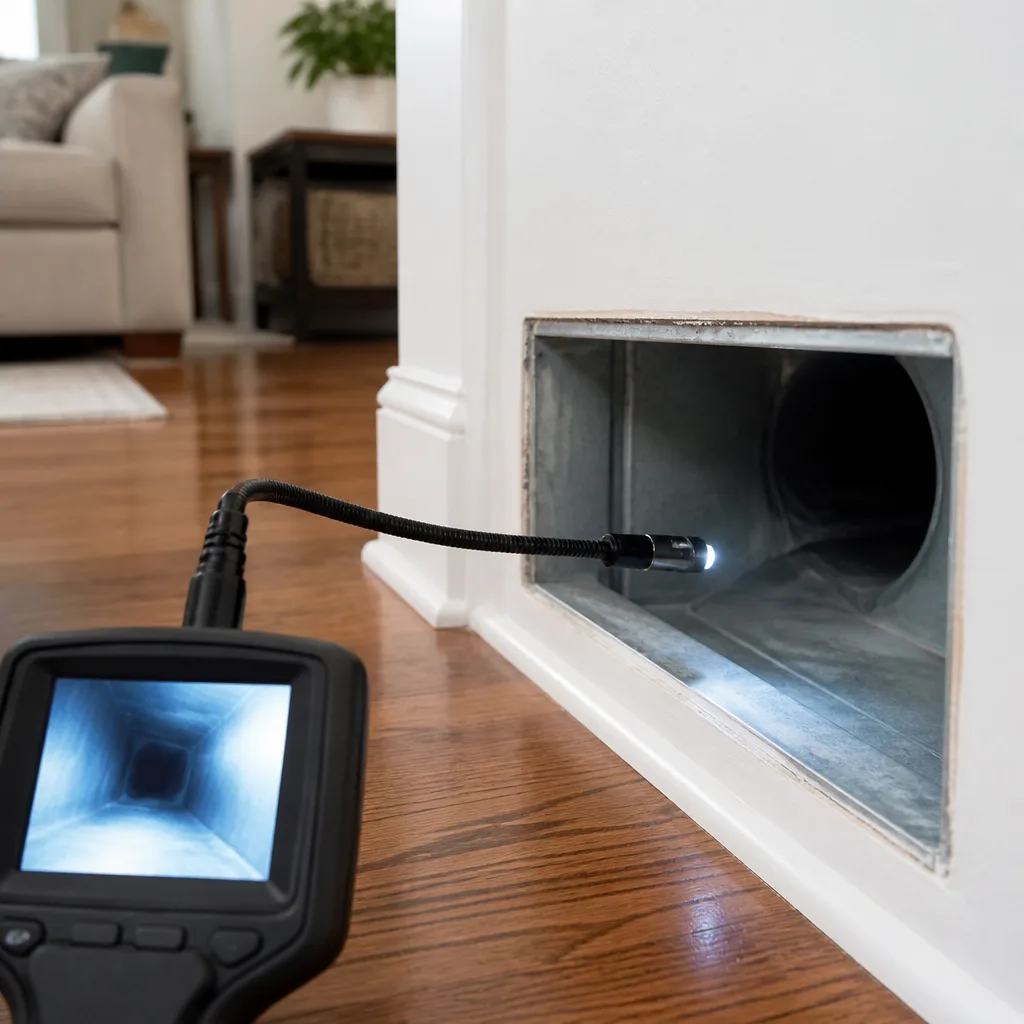 Camera inspection
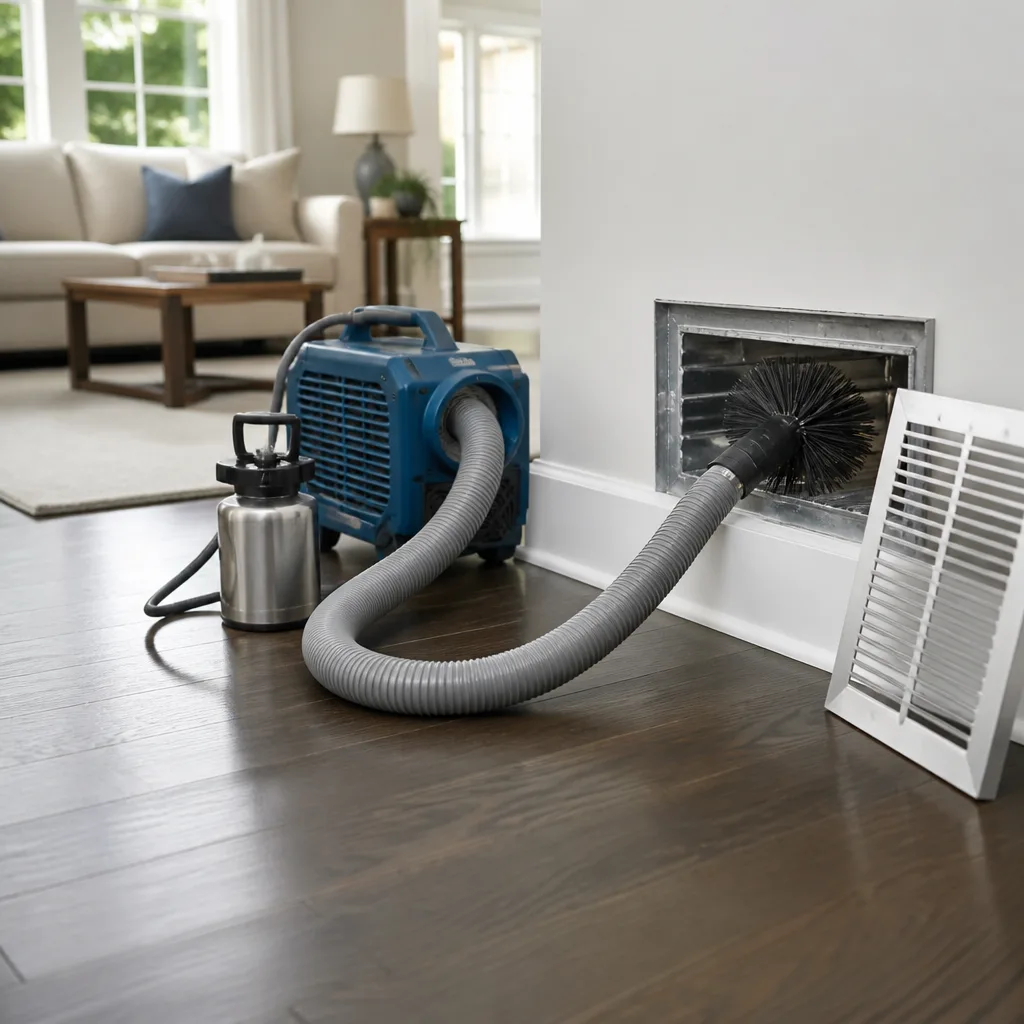 Sanitizing & deodorizing
Whole-system duct and dryer vent check with before-and-after photos - you see exactly what came out of your vents
That "$99 whole-house special" is a bait ad - the real number appears once they are in your hallway, or the "clean" is a shop-vac at the register. We photograph the inside of your ducts before and after instead.
Air Duct Cleaning Warning Signs: A Heather Gardens Homeowner’s Reference Guide
Visible dust at the registers is one of the last warning signs to appear, not the first. By the time you can see buildup at a supply grille, the duct surfaces upstream and the blower wheel have usually been collecting contamination for months or years. That’s the part most homeowners miss: the ducts don’t announce themselves with a dust cloud. They announce themselves through filter behavior, run times, room-to-room temperature gaps, and the timing of symptoms you’ve been blaming on something else.
This guide is written from the perspective of technicians who work inside Heather Gardens duct systems and see what the evidence actually looks like. It walks you through the early indicators – the ones you can observe without any equipment – and the ones that only show up when the system itself is measured. We’ll cover filter loading rate, static pressure, the difference between a startup smell and a running smell, and the post-renovation warning signs that matter in Heather Gardens’ older housing stock. Read it once and you’ll know what to look for the next time the system kicks on.
Quick Answer
The most reliable air duct cleaning warning signs in a Heather Gardens home are: filters loading faster than usual, longer HVAC run times with uneven room temperatures, musty or sharp odors that persist while the system runs, symptom patterns that track HVAC operation rather than seasons, and visible debris trails or fiber buildup around supply registers. Visible dust at the register itself is a late signal, not an early one. If two or more of these show up together, the system is telling you something is restricting airflow or re-entraining particulate, and it’s time for a professional inspection.
Styles & brands we work with
- Whole-home duct cleaning
- Dryer vent cleaning
- Camera inspection
- Sanitizing & deodorizing
Table of Contents
- Filter Loading Rate: The Most Useful Early Indicator
- HVAC Performance Signs: Run Time, Static Pressure, and Uneven Rooms
- Occupant Health Patterns That Correlate with Duct Contamination
- Post-Renovation Warning Signs in Older Heather Gardens Housing
- Musty Startup Odor vs. Persistent Running Odor
- What the Registers and Return Grilles Actually Tell You
- When Cleaning Isn’t the Answer (and Sealing Is)
- The Signs That Mean It’s Time to Call
Filter Loading Rate: The Most Useful Early Indicator
If you only track one thing about your HVAC system, track how fast your filter loads up. A filter reaching its replacement threshold faster than it used to is a signal that the air moving through the system is carrying more particulate than before – not that the filter has gotten worse. Filters don’t fail because they’re low quality. They load because they’re doing their job on air that’s dirtier than it used to be.
Here’s how to read this in practice:
- Note the date you install a new filter. Write it on the filter frame in pencil so you can’t miscount.
- Check the filter every few weeks and note its condition against the same interval from prior changes.
- If a filter that used to last three months is now visibly loaded at four or five weeks, that’s a loading rate change.
- Look at the color pattern. Uniform gray loading is normal. Dark loading concentrated on one side of the return, or patches of near-black, point toward a specific duct run that’s shedding or pulling debris.
- Check whether the loading is fibrous or powdery. Fibrous suggests insulation or filter bypass. Powdery suggests drywall, road dust, or fine particulate re-entrainment.
What does a filter loading change actually mean? Sometimes it’s a seasonal shift – spring pollen in Heather Gardens can load a filter faster than midsummer air. Sometimes it’s a return duct joint that’s opened up and is pulling attic or crawlspace air into the return. And sometimes it’s the ducts themselves: loose debris on horizontal runs gets re-entrained every time the blower cycles, and the filter catches it. In a Heather Gardens home where the same filter brand and MERV rating has suddenly started loading two times faster, an inspection of the return side is usually the right next step.
The equipment matters here. Consumer-grade vacuums and low-power “duct wands” don’t lift adhered debris from the duct walls – they disturb it. Purpose-built Rotobrush and Nikro systems are engineered to agitate and capture that material in one pass, so if the diagnosis is genuine accumulation rather than a leak, we’re cleaning the actual contamination out rather than stirring it around. Our technicians have up to 10 years of experience reading filter evidence against full-system conditions.
HVAC Performance Signs: Run Time, Static Pressure, and Uneven Rooms
Duct contamination and duct restriction are related but not identical. The performance symptoms that show up at the thermostat are usually a mix of both – debris reducing the effective cross-section of the duct and increasing resistance to airflow, plus leaks bleeding conditioned air out before it reaches the room. The result is a system that runs longer to satisfy the same setpoint and still delivers an uneven result.
The HVAC performance signs we look for:
- Run time creep: the system used to cycle in ten minutes to reach setpoint and now runs fifteen or twenty to do the same job.
- Uneven room temperatures: a bedroom that ran a degree or two warm now runs four or five degrees warm while rooms closer to the air handler are fine. Duct restrictions concentrate near the far end of a run.
- Static pressure rise: a technician measuring across the air handler will find higher static pressure than the equipment was designed for. That’s the airflow restriction number, and it’s the most direct evidence that something is constraining flow.
- Air velocity drop at the register: a strong supply grille becomes a weak one. You can observe this with your hand at the grille; you don’t need a manometer to notice the change over months.
- Short cycling or long cycles: either extreme can indicate the system is fighting something – a duct issue, a filter issue, or a blower that’s been loaded with drywall dust.
Static pressure is worth a note. A properly sized system has a designed static pressure budget, and once debris loading and filter loading eat into it, the blower has less headroom. Increasing filter MERV ratings in a warm, dry climate like the Front Range is a common instinct, and it’s the right instinct – but if the ducts are already restricted, a denser filter worsens the airflow problem. That’s the balance a professional reads: reading the static pressure tells you which lever to pull, cleaning versus filter rating versus sealing.
This is also where cleaning alone stops short. A duct system with separated joints, collapsed runs to a distant bedroom, or a disconnected flex trunk loses air regardless of how clean it is. That’s why we pair cleaning with duct repair and sealing – clean ducts are half the job, and sealed ducts are the finish line. If your Heather Gardens home has a room that’s always run warm, sealing the run before cleaning it is often the order that makes sense.
Occupant Health Patterns That Correlate with Duct Contamination
Here’s the pattern question that actually points toward duct contamination: when do symptoms happen? If symptoms worsen during heating and cooling season and ease off when the system is off for long stretches, the correlation to HVAC operation is the clue. If symptoms are equally present in summer and winter and disappear when you leave the house, the correlation is the building. If symptoms are tied to pollen season, that’s seasonal – and while dirty ducts can hold pollen and distribute it, pollen season timing doesn’t diagnose a duct problem.
What to watch for over a few weeks:
- Timing relative to blower operation: does the tickle in the throat or the eye scratch start after the system has been running a while?
- Room specificity: symptoms concentrated in the room furthest from the air handler, which is often where duct velocities are lowest and debris deposits most readily.
- Symptom clusters in the household: when more than one person notices the same complaint and the timing is shared, occupancy and system operation are the likeliest contributors.
- Musty or “old building” smell that accompanies symptoms: an odor component alongside a symptom pattern is a stronger duct marker than symptoms alone.
We don’t diagnose or treat medical conditions; we diagnose duct systems. What we can say from experience is that when a family reports a shared symptom pattern tied to system operation, the ducts and returns are worth inspecting – because the same evidence that bothers occupants (debris, fibers, dust on surfaces) is the evidence we can measure and remove. If a member of your household has a known respiratory condition, we recommend talking to their physician about the pattern while we inspect the system.
The professional distinction that matters: a surface vacuum on the nearest register does nothing for this pattern. The airflow that reaches the far rooms travels through the whole duct run, and the contamination that matters is on the duct walls and in the plenum, not at the grille opening. Rotobrush equipment is designed to reach that run, and Abatement Technologies tools are on hand for the cases where the contamination is elevated enough to need remediation-level handling. For a family fighting a shared symptom pattern, that’s the difference between cleaning the visible part and cleaning the air every room breathes.
Post-Renovation Warning Signs in Older Heather Gardens Housing
Remodeling a Heather Gardens home built in an earlier era pushes a specific mix of particulate into the duct system: drywall dust, wood dust, insulation fibers, and – in older homes that may still have lead-paint surfaces – paint particulate. The warning sign homeowners miss is that much of this migrates while the contractors are working, before anyone thinks to tape off the returns, and it settles in the ducts rather than on the floors everyone cleans on the last day.
What to check after any renovation that involved drywall, cutting, sanding, or insulation work:
- Return grille buildup: dark or gray film visible through the return grille face, often heavier right after demolition and framing days.
- Filter media condition after the first week of re-occupancy: drywall dust loads a filter in a very different pattern than household dust. A filter that is nearly loaded after a week of post-renovation operation is telling you where the renovation debris went.
- Blower wheel noise or drag: a blower with drywall dust on the blades loses efficiency and can sound different – heavier, or with a slight wobble.
- Visible dust plumes at supply registers on first startup of the day: the puff of dust that settles onto furniture every morning is a common sign.
- Insulation fiber evidence: small strands of pink or yellow fiber in the filter media or on dark furniture near a supply grille, especially if the renovation involved attic or wall insulation work.
For older Heather Gardens homes, the lead-paint angle earns specific weight. Any home before 1978 may still have lead paint on surfaces, and renovation that disturbs painted surfaces pushes paint particulate into the air and into the ducts. Cleaning with HEPA-filtration equipment is a materially different job than cleaning with a shop vac. Abatement Technologies equipment and a documented cleaning process are the standard for that scenario, and a professional inspection after a larger renovation is worth the cost of the estimate.
The renovation warning sign we tell homeowners to watch is subtle: after a big remodel, a lot of people report the house “never smells clean again.” That’s often duct-tied particulate rather than surfaces. A filter-loading change in the first two months post-renovation almost always confirms it, and that’s the point at which cleaning the whole system – not just running a vacuum through one run – makes sense. Our HVAC cleaning scope covers the blower and air handler, not just the ducts, because renovation debris settles on both.
Musty Startup Odor vs. Persistent Running Odor
A mild musty smell on the first few minutes of the first cool-morning startup is sometimes normal. It’s often the humid air in the system getting stirred by the blower, or the smell of the coil as it begins to work. If the odor fades within minutes and never returns during the same cycle, it’s an observation, not a diagnosis. What changes the picture is a persistent musty odor – the smell that stays present the whole time the system is running, or that lingers in rooms after the system cycles off.
The distinction matters because the two smell patterns point at different parts of the system:
- Startup-only, fading within minutes: often the coil or a damp surface in the air handler waking up. Worth watching. Not automatically a duct issue.
- Persistent musty odor throughout operation: points toward microbial growth on duct surfaces or in the plenum, particularly where the system has had a moisture event or where the duct material holds condensation.
- Sharp or chemical odor: usually not biological. It can be off-gassing from new materials, a compromised seal pulling attic or crawlspace air, or a system that’s pulling near a storage area with solvents. Worth a professional look.
- Odor intensity that tracks blower speed: if the smell gets stronger in high-fan mode, the source is on the moving-air path – often a duct interior surface or the blower wheel itself.
Persistent musty odors don’t resolve with air fresheners, and they don’t resolve with a filter swap. They resolve by finding the growth, removing it, and then applying a protective treatment so the surface doesn’t re-colonize. That’s the specific case for our air quality and sanitizing service, which applies Guardsman protective treatments after cleaning. Guardsman is the defensible final step – most single-service competitors don’t offer it, and without it, microbial contamination often returns to the same surfaces within a season.
What the Registers and Return Grilles Actually Tell You
Register evidence is the last chapter of the story, not the first. When you see visible buildup on a supply grille face, the contamination upstream has typically been accumulating for a while – the grille is the point where the system finally shows its hand. So the register check is still worth doing, but with the understanding that you’re reading the scoreboard after the fact.
What to look for at the register and return:
- Dark film on the grille face: especially on the return grille, which is usually where the darkest film shows first.
- Dust trails or “tracks” leading from the grille into the room: these point toward supply air velocity carrying particulate out to settle on furniture and walls.
- Loose debris visible inside the duct beyond the grille: a flashlight beam angled into the duct often reveals this; a phone camera with the flash on works too.
- Fiber strands visible at the supply grille: often insulation fibers from a duct that’s broken its inner liner, particularly in older duct board and flex runs.
- Rust stains on the grille or duct throat: moisture evidence. A duct that’s held water is a different cleaning job than a dry duct.
For Heather Gardens homeowners, one local detail worth watching: the dry, windy Front Range spring pushes fine soil and dust into the return through any infiltration the house has – windows, doors, and especially a crawlspace or attic return. If your filters load fastest in the windy weeks, that’s a strong clue that some of the loading is infiltration rather than contamination from the ducts themselves. That’s still useful information: a return duct that’s pulling attic air needs sealing, not just cleaning. That’s the point at which our air duct cleaning service pairs with the sealing scope, so that the fix addresses both the contamination and the path it’s using to get in.
When Cleaning Isn’t the Answer (and Sealing Is)
Not every warning sign points to a job that cleaning alone fixes. Some of the symptoms we just walked through – uneven rooms, dust plumes at the register on startup, persistent filter loading – can be produced entirely by duct leakage. A return that’s leaking at a joint, a plenum that’s separated from a trunk, or a flex run that’s collapsed on itself can generate every symptom a dirty duct produces without much contamination present. Cleaning that system would be a waste of the customer’s money, and a professional diagnosis should catch it before the quote.
The diagnostic order we use:
- Measure airflow and static pressure across the system to see whether restriction is real.
- Inspect accessible duct joints, the plenum, and any flex runs for separation or collapse.
- Check whether the return side is pulling unconditioned attic or crawlspace air.
- Confirm visible contamination on duct walls and blower surfaces with a camera.
- Recommend cleaning, sealing, or both based on what the measurements show.
When a sealing scope is part of the answer, we address the root cause – the leak that was bleeding air into the attic or the return that was pulling dirt in from a crawlspace. That’s why we offer Duct Repair & Sealing alongside cleaning. The warning sign that most strongly indicates this scope: a room that runs hot in summer and cold in winter regardless of whether the dirty duct symptoms have appeared. That pattern is about delivery, not debris. Cleaning first, then sealing, then re-measuring static pressure is a clean sequence. Sealing without cleaning leaves contamination in place; cleaning without sealing pulls contamination right back in through the leak.
The Signs That Mean It’s Time to Call
The signs that most reliably mean “call” rather than “watch” are the ones that group together. One sign alone is worth noting. Three signs together, or two that have been present for more than a few weeks, are worth a professional look. And any sign that includes visible moisture, microbial growth, or renovation debris in the duct system is worth professional attention regardless of pattern.
Specific situations that justify a call:
- A persistent musty odor during operation that has not responded to a filter change.
- Filter loading that has clearly accelerated compared to prior months.
- Renovation work in the last year that involved drywall, sanding, or insulation, particularly in a pre-1978 Heather Gardens home.
- An HVAC system running noticeably longer to reach a setpoint, with a room that’s always off by several degrees.
- Visible moisture, rust, or fiber liner breakdown inside a duct run or at a plenum.
- An occupied home where the symptom pattern follows the blower and more than one person notices it.
If you’re in a Heather Gardens home and you’ve checked three or more of these and they’re still there, an inspection is the right next step. Air Duct Cleaning Heather Gardens offers free estimates in Heather Gardens – call (855) 337-1174. The written estimate sets the final price, and we diagnose the whole system before quoting, so if cleaning isn’t the answer, we’ll say so. Full service categories – dryer vent cleaning, duct repair and sealing, sanitizing, and HVAC cleaning – are all handled by one provider, so a diagnosis doesn’t have to bounce to a different company.
Common Mistakes to Avoid
- Replacing the filter without reading the loading rate. A new filter doesn’t fix the source of the loading. If you swap the filter without tracking the change in interval, you’ve lost the best diagnostic signal you had.
- Buying a denser filter to solve a duct problem. A higher-MERV filter on a system with restricted static pressure makes airflow worse. The filter rating should reflect the system’s capacity, not the smell.
- Treating a startup smell and a persistent smell as the same warning. They point at different parts of the system and different service scopes. Watch for whether the odor fades, and note it before calling.
- Cleaning after a renovation without inspecting the system. Heather Gardens’ older homes often have flex or duct board that traps drywall dust in ways a surface vacuum won’t reach. In a pre-1978 home, paint particulate migration deserves a HEPA-level approach, not a shop vac.
- Hiring a “cleaning” crew that only does cleaning. If your uneven room temperatures come from a separated joint rather than debris, cleaning alone won’t fix it. Ask about the repair and sealing scope before booking.
- Skipping the sanitizing step after cleaning a musty system. Cleaning removes the growth; without a protective treatment like Guardsman, the same surfaces can re-colonize within a season. Ask whether the final step is included in the quote.
- Assuming a dust plume at the register is the first sign. It isn’t – by the time a plume appears, the contamination upstream has usually been accumulating much longer. Treat the plume as confirmation, not as new information.
See the difference
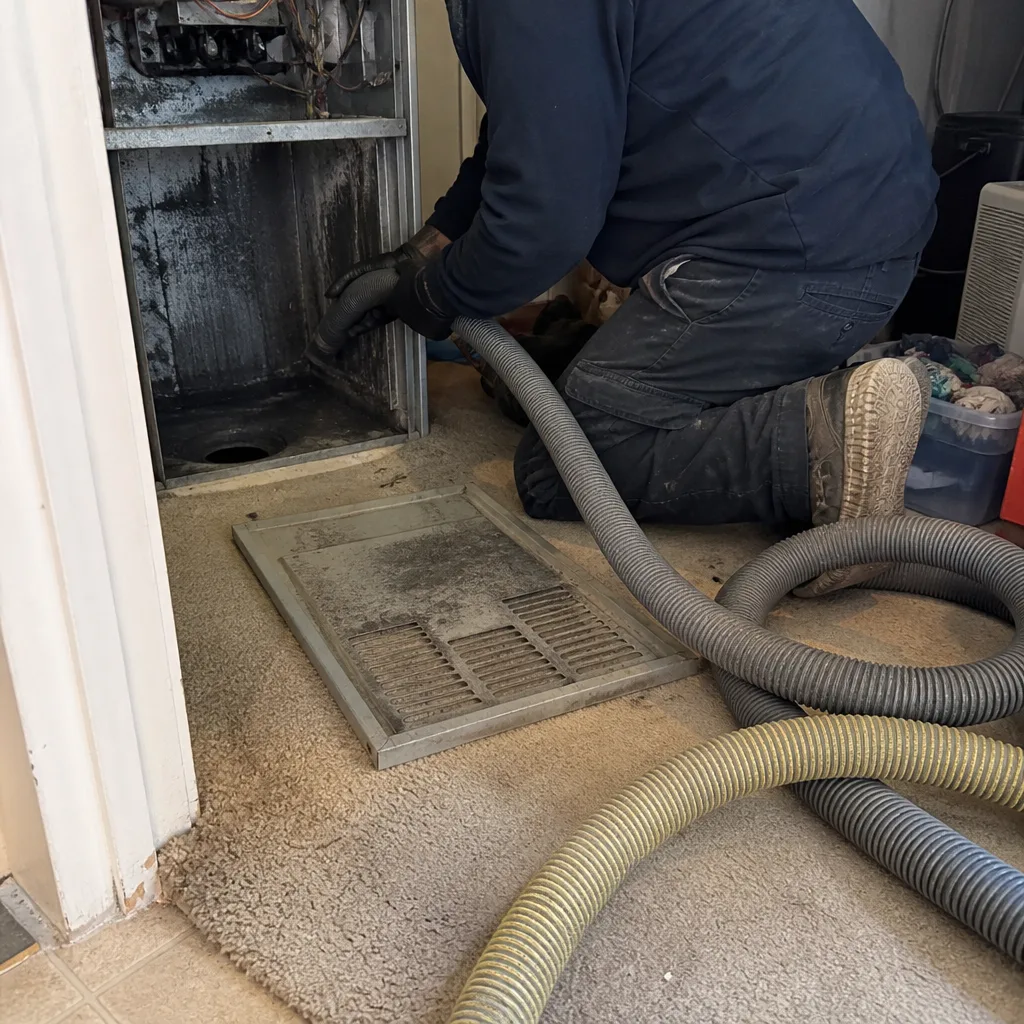 Before
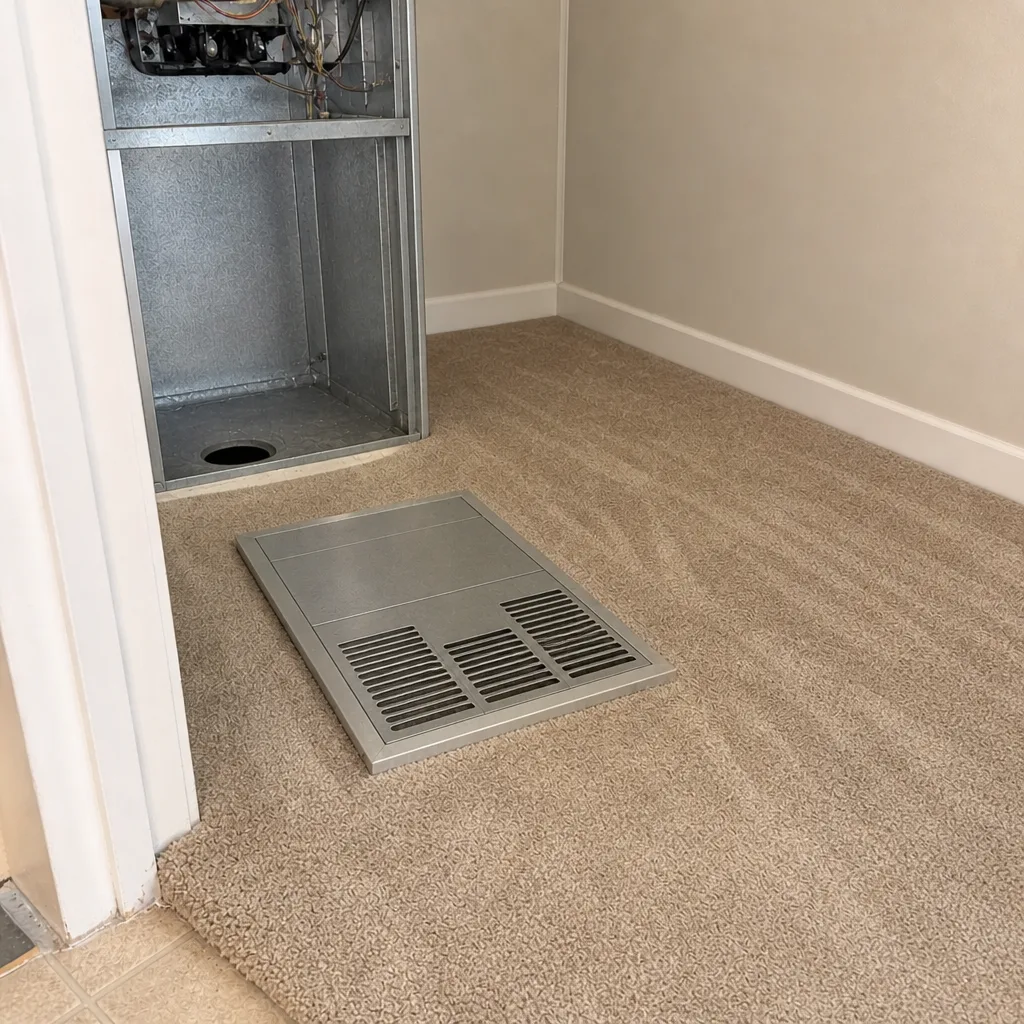 After
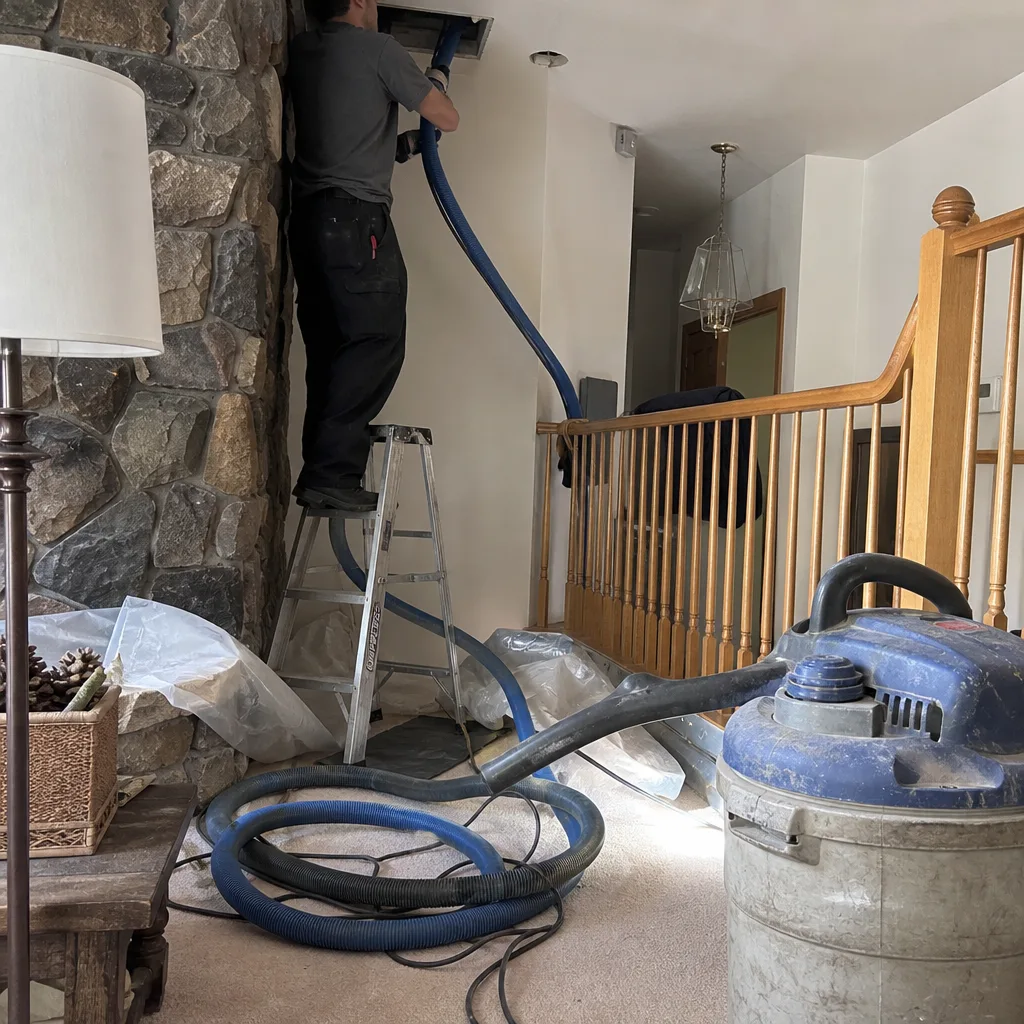 Before
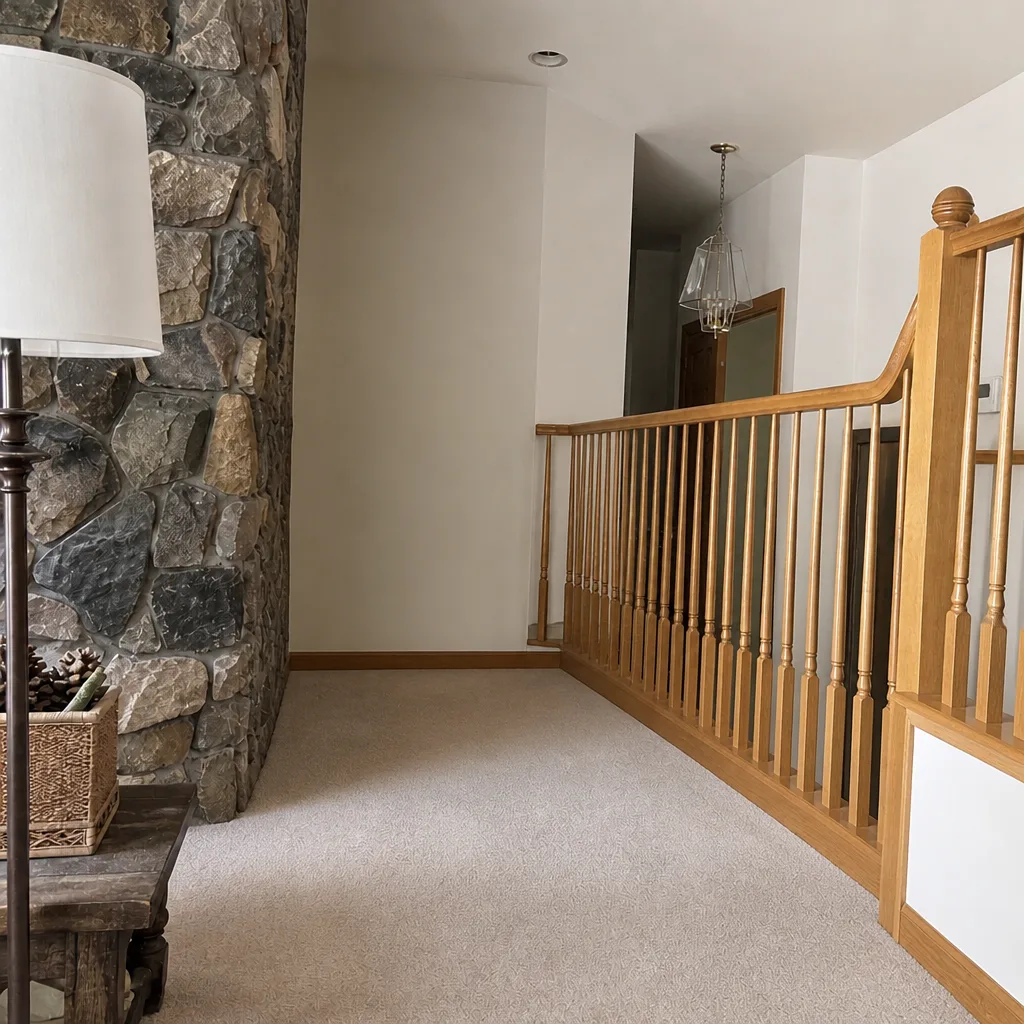 After
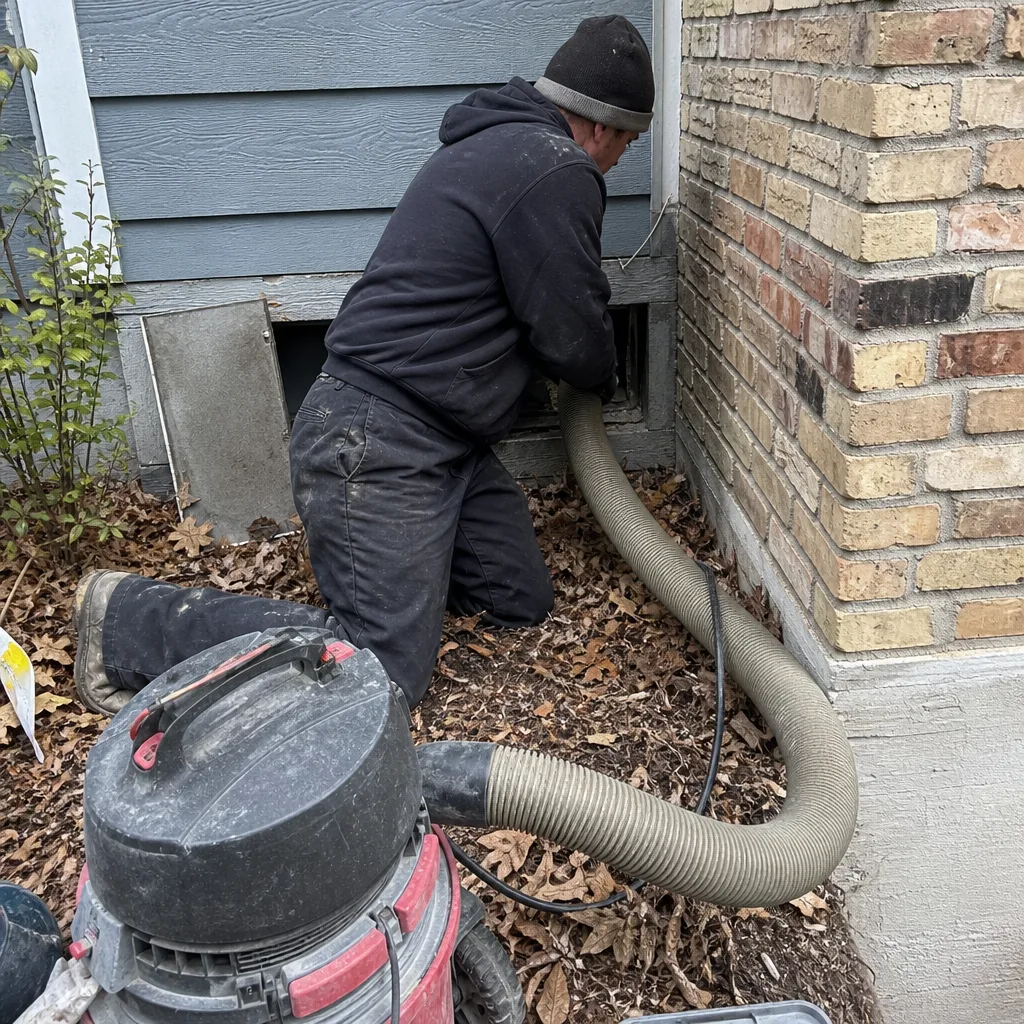 Before
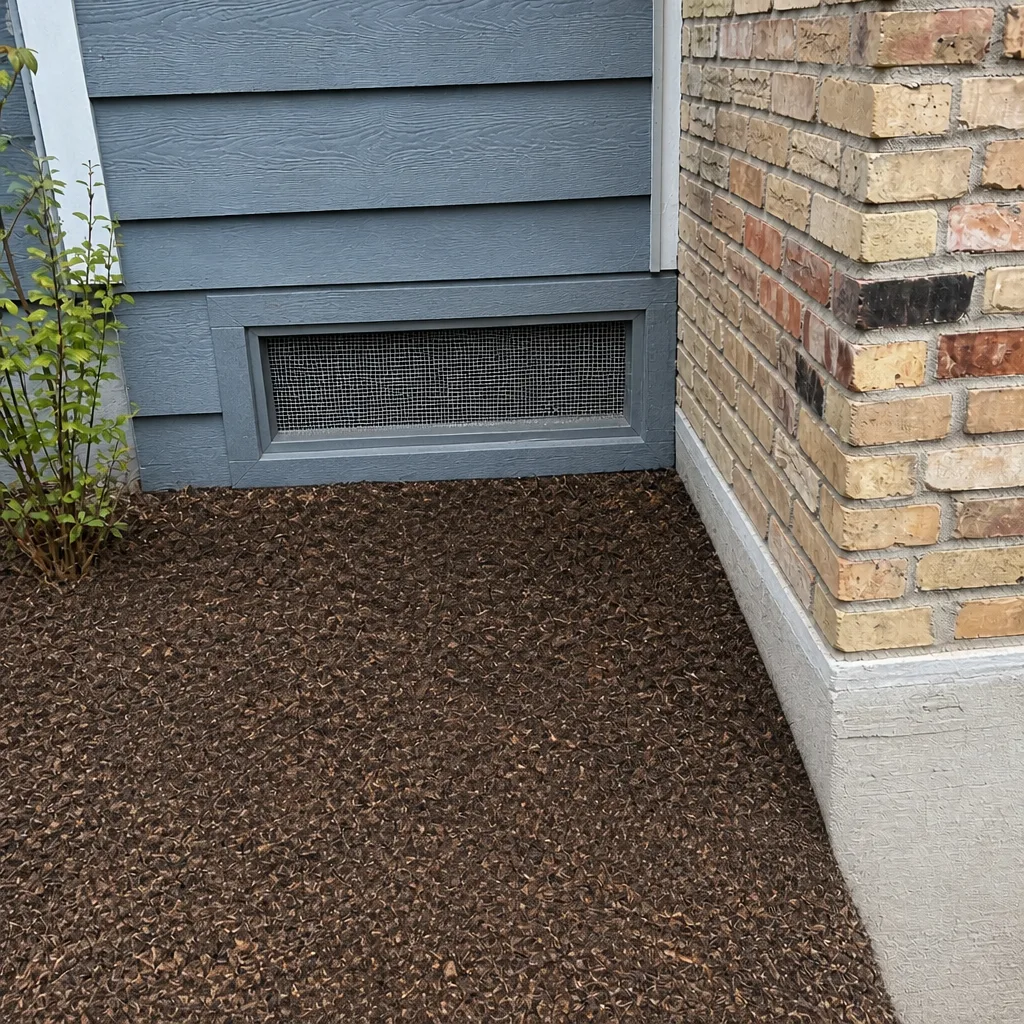 After
When to Call a Professional
Call a professional when two or more of these warning signs are present together and have stayed present for more than a couple of weeks: accelerating filter loading, longer HVAC run times, uneven room temperatures, a persistent musty odor during operation, a symptom pattern in the household that tracks blower operation, or visible dust plumes at the supply registers. Call also if there’s been recent renovation with drywall or insulation work in a Heather Gardens home, especially in a pre-1978 house where lead-paint particulate migration is a concern. Call if you see moisture, rust, or fiber liner damage inside a duct. And call if a room runs hot in summer and cold in winter and you suspect a duct leak – that’s the repair-and-sealing scope, not just cleaning. Air Duct Cleaning Heather Gardens offers free estimates in Heather Gardens – call (855) 337-1174. The written estimate sets the final price.
Frequently Asked Questions
There’s no fixed schedule that fits every home. Households with pets, recent renovation, or members with respiratory sensitivities typically benefit from inspection more often than a quiet household with no symptoms and stable filter loading. The practical rule: clean based on evidence (filter loading changes, performance symptoms, visible contamination), not on a calendar. If in doubt, call (855) 337-1174 for a free estimate – the inspection will tell you what the system needs.
No. A musty smell that fades within the first few minutes of startup can come from the coil or a damp surface in the air handler waking up, and is often normal. What’s more concerning is a musty odor that persists throughout the entire operating cycle or lingers in the room after the system cycles off – that points toward microbial growth on duct surfaces or in the plenum. Call (855) 337-1174 for an inspection if the smell stays with you through the full cycle.
Usually because the quote is for a surface pass with consumer-grade equipment, not a full-system clean with documented results. A vacuum that only reaches the register face doesn’t lift adhered debris from the duct walls or clean the blower wheel, and it doesn’t include repair, sealing, or a protective treatment step. We quote one flat price per system, agreed before work starts, so you’re not comparing a whole-system job to a grille wipe. Call (855) 337-1174 for an exact quote – estimates are free.
Before-and-after photos of your own ducts are the standard we hold ourselves to – the photos are taken inside the ducts and blower, not of the truck or the equipment. If a company won’t offer before-and-after documentation, that’s worth asking about before booking. Call (855) 337-1174 for a free estimate and to see what a documented job looks like.
Yes, an inspection is worth scheduling after a renovation that involved drywall, sanding, or insulation, particularly in a home where paint surfaces may predate 1978. Drywall dust and insulation fibers migrate into the duct system during the work, and paint particulate can settle in the same runs. HEPA-filtration cleaning is the appropriate scope. Call (855) 337-1174 for a free estimate post-renovation.
Sometimes, but not always. If the cause is a duct restriction from debris, cleaning improves airflow to that room. If the cause is a duct leak or a collapsed flex run, sealing or repair is the fix, and cleaning won’t change the temperature. The diagnosis determines the answer, which is why we measure static pressure and inspect joints before recommending a scope. Call (855) 337-1174 – estimates are free, and we’ll tell you which is which.
The Bottom Line
The warning signs that actually predict a duct problem live outside the ducts. Filter loading rate, run time creep, room-to-room temperature spread, symptom timing tied to blower operation, and the difference between a startup smell and a persistent one are the real diagnostic evidence – and every one of them is observable without equipment. Visible dust at the register is the closing chapter, not the opening one. In Heather Gardens, add the renovation angle for older homes and the dry, windy spring air to the picture, because both push particulate toward the return side. Read the signs, group them, and call when two or more stay with you. We answer 24/7. Fast dispatch from 7am to 7pm, Sunday through Friday. Call (855) 337-1174 for a free estimate – the written estimate sets the final price, and every job is one flat price per system agreed before work starts.
Written by the team at Air Duct Cleaning Heather Gardens.